Key Takeaways
- The final walkthrough is your last chance to confirm the home is in substantially the same condition it was in when you made the offer, and that agreed repairs were finished, before you sign.
- Under the standard FAR/BAR residential contracts used in Florida, the buyer has the contractual right to walk through the property the day before closing or on closing day before the closing time.
- Bring your contract, repair addendum, and inspection report, and verify repairs, systems, and conveyed items rather than re-inspecting the whole house.
- If the seller failed to complete repairs or damaged the property, your remedies come from the contract: fix before closing, a seller credit, an escrow holdback, or, in serious cases, delaying or declining to close with legal advice.
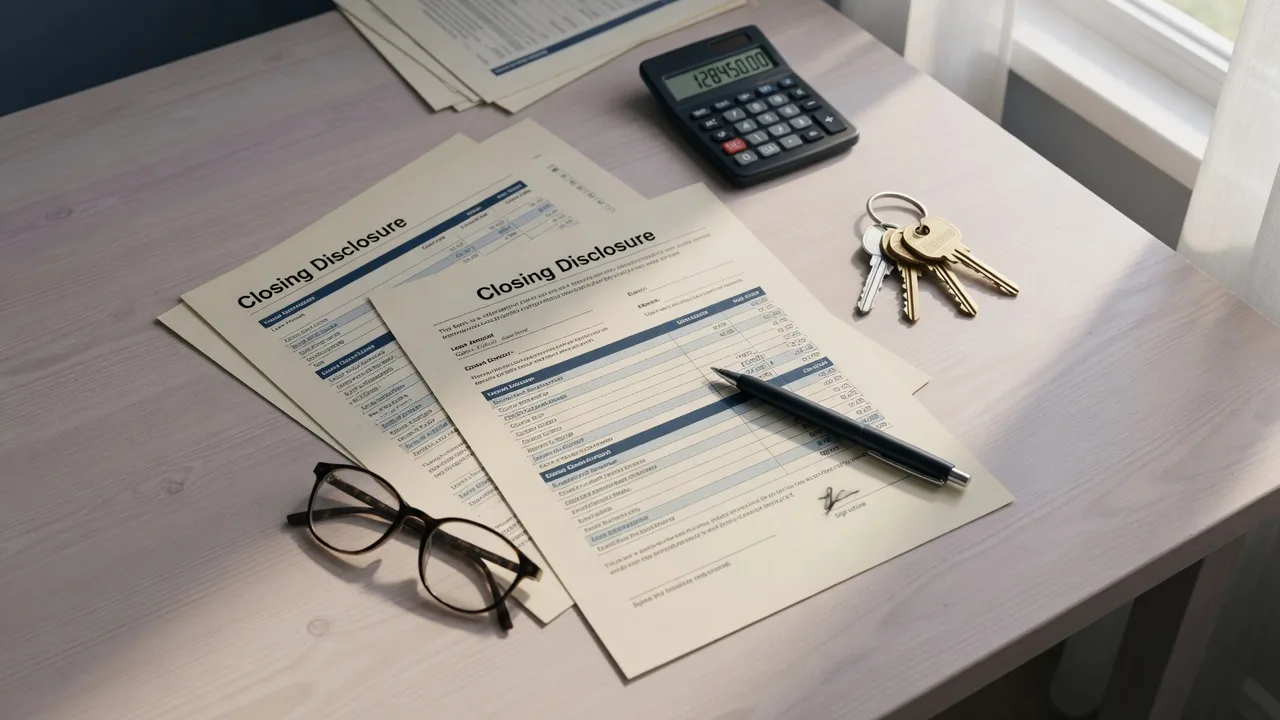
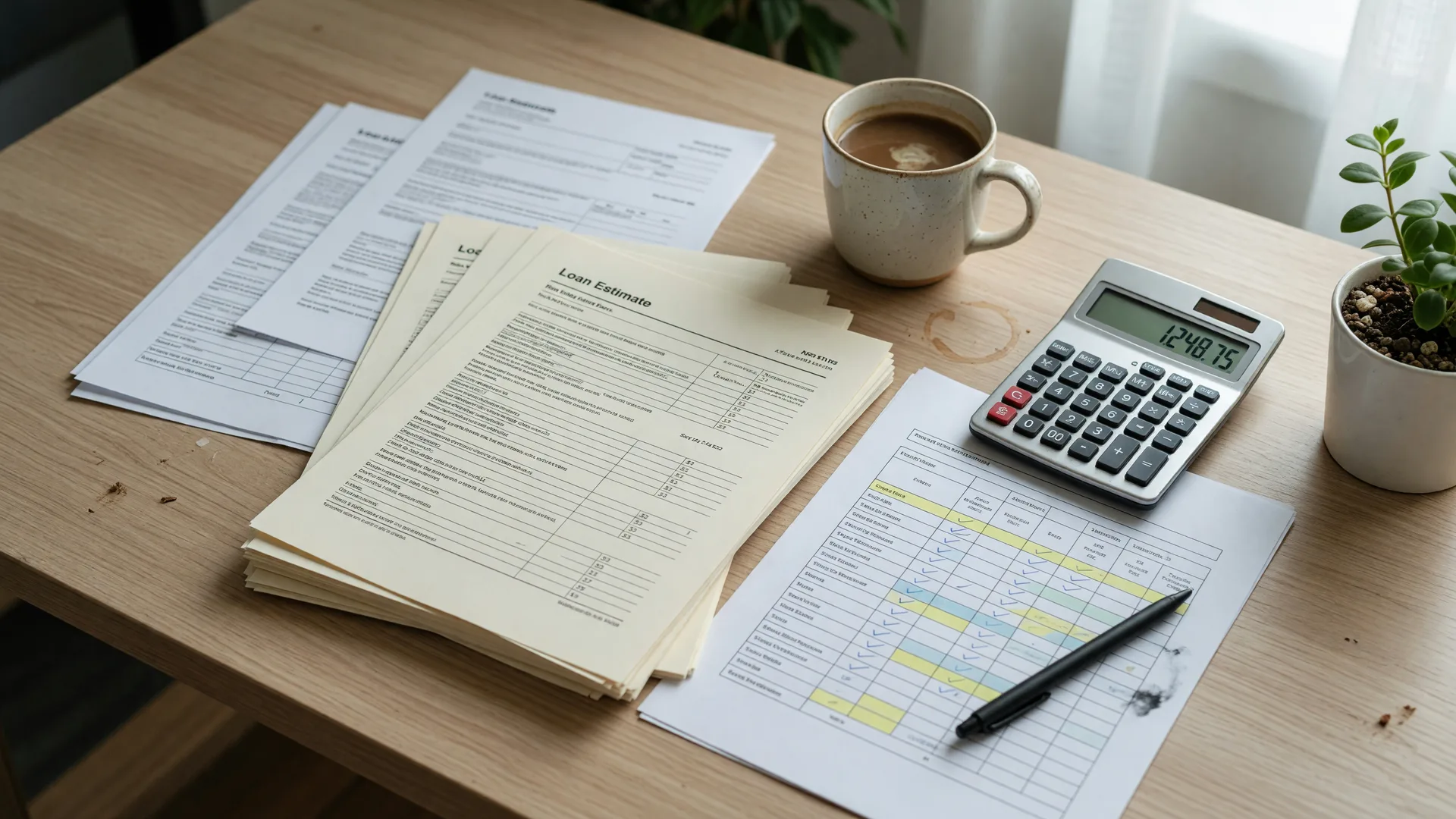
- The Closing Disclosure must be delivered at least three business days before closing, so review it against your Loan Estimate before the walkthrough, not at the table.
The final walkthrough is the last time you can verify the condition of your new home before you sign the closing papers. It is not a second inspection; it is a confirmation checklist: repairs finished, systems working, no new damage, and everything that was supposed to come with the home still there. This guide gives Palm Beach County buyers a room-by-room final walkthrough checklist, what to bring, and what your options are if you find a problem.
I'm Rhonda Townsend, a REALTOR® with United Realty Group serving Wellington, West Palm Beach, Lake Clarke Shores, and surrounding communities. I walk buyers through the final walkthrough on almost every transaction, and I can tell you it has saved deals from small surprises more than once. Consider this your evergreen checklist, based on the standard FAR/BAR contract structure used across Florida and the guidance published by Florida Realtors and the Consumer Financial Protection Bureau.
What Is the Final Walkthrough and Why Does It Matter?
The final walkthrough is a condition check the buyer performs shortly before closing, typically 24 to 72 hours ahead of the closing date. Its purpose is to confirm that the home is in substantially the same condition as it was when your offer was accepted, and that any repairs agreed to after the inspection have actually been completed. Florida Realtors advises buyers to insist on the walkthrough even when the timeline is tight, because once you sign and the deed transfers, negotiating condition becomes far harder.
Think of it as the difference between buying a car sight unseen and giving it one last walk around the lot. The inspection report told you about the property in detail; the walkthrough tells you nothing major changed between inspection and closing. Both matter, and they answer different questions.
When Does the Final Walkthrough Happen and Who Attends?
Under the standard FAR/BAR residential contracts used in Florida, the buyer or the buyer's representative has the contractual right to walk through the property on the day before closing, or on closing day before the closing time. That right is important: it protects you even if the seller occupies the home until the last minute.
Who attends is flexible. Many buyers attend with their agent; some invite a trusted family member for a second set of eyes. If you cannot attend, your agent can represent you, but attending yourself is worth it for the peace of mind of seeing the space you are about to own. If you are out of state and closing remotely, schedule a time when your agent can walk through on video call with you, which works well and is increasingly common here.
What Should You Bring to the Final Walkthrough?
- The purchase contract and repair addendum: your checklist of what was promised.
- The home inspection report: to compare noted issues against what you see now.
- A camera or phone: take photos and video of every room, plus close-ups of any repaired area.
- A flashlight: for the attic access, utility closets, garage corners, and under sinks.
- Your list of included items: appliances, window treatments, ceiling fans, and anything the listing said conveys.
Photographs and video taken at the walkthrough are your best evidence if a dispute about condition comes up later. Being generous with documentation costs nothing and protects everything.
What Should You Check Room by Room?
Work through the house with a simple rhythm: look, touch, and test. You are not re-inspecting; you are confirming nothing changed and everything works:
- Turn everything on. Lights, ceiling fans, outlets with a phone charger, the disposal, the stove and oven, the microwave, the dishwasher, and the exhaust fan.
- Run every water source. Faucets in each sink, the shower and tub valves, the toilets, the outside spigots, and the washing machine hookups. Check for leaks, slow drains, and water pressure.
- Test the HVAC. Heat and air if the season calls for either, and confirm the filter looks fresh and the thermostat holds the set temperature.
- Check the water heater and electrical panel. Open the panel, confirm breakers are labeled, look for anything unusual, and confirm the water heater is running.
- Open and close everything. Doors, windows, sliders, and screens should operate, lock, and align. Look for cracked glass, torn screens, and water stains near windows.
- Inspect the exterior and roof lines. Walk the perimeter for new damage, loose gutters, or debris, and look at the roofline from the ground, plus the pool, spa, and irrigation if included.
- Confirm the seller moved out. Personal property removed, closets and garage cleared, and any promised keys, remotes, gate openers, and garage door remotes accounted for.
Pay special attention to the garage: the garage door opener, the door balance, and any water stains on the floor or drywall tell you a lot about how the home was handled between inspection and closing.
How Do You Confirm Agreed Repairs Were Completed?
The repair addendum is the backbone of this step. Go line by line through every agreed item and verify each one with your eyes: the electrical fix, the roof repair, the plumbing correction, the replaced appliance. Where receipts or permits were promised, ask to see them, especially for roofing, electrical, and plumbing work, where unpermitted repairs can complicate insurance and resale later.
If a repair looks done but you are unsure about the quality, that is a fair point to raise with your agent right there, while the seller still has time to respond before closing. My guide to home inspections and appraisals for Palm Beach County buyers explains how repairs flow from the inspection into the contract, and what the addendum usually covers.
What Can You Do If You Find a Problem at the Walkthrough?
Finding a problem is not the end of the deal; it is the reason the walkthrough exists. Your remedies come from the purchase contract, and they typically include:
- Complete the repair before closing. If the issue is small and time allows, the seller fixes it, and you verify again before signing.
- Negotiate a seller credit. A credit at closing via a written credit addendum can cover the cost of a repair you handle after closing. Credits usually require lender and underwriter approval, and they can change loan terms, so your agent should notify the closing team immediately.
- Escrow a holdback. For larger repairs, funds can be withheld from the seller's proceeds at closing and released once the work is done and verified. The FAR/BAR contract allows escrowing repair funds, commonly around 125 percent of the estimated cost, with timelines set by the lender.
- Delay or decline to close. In serious cases, such as new water damage or a failed major system, you may pause closing until the issue is resolved, or decline to close at all. Consult your real estate attorney before choosing this path.
The order matters: document the problem with photos, tell your agent immediately so the seller's side can respond while closing is still scheduled, and keep every decision in writing. For the full picture of what happens at the table, my closing day walkthrough covers documents, funds, and the closing sequence.
How Does the Walkthrough Connect to Closing Day?
The walkthrough and closing day are two sides of the same coin. By the time you arrive at the closing table, the Closing Disclosure should already be in your hands, because federal rules require it at least three business days before closing under the Consumer Financial Protection Bureau's TRID rule. Review it against your Loan Estimate before the walkthrough, so numbers questions never slow you down at the table.
Then tie the final pieces together: confirm the seller's payoff, closing funds, and title work are handled by the closing agent, and know exactly what you do immediately after signing. Turning on utilities, changing locks, and scheduling movers all start after closing, and my moving checklist walks through that transition week by week. If you are also selling a home in Palm Beach County at the same time as your purchase, my sell and buy at the same time guide covers coordinating both closings. And once the deed records, the community you chose becomes part of daily life, so if you are still weighing areas, my West Palm Beach neighborhood guide is a good place to start exploring.
Buying a home is a sequence of small, manageable steps, and the final walkthrough is one of the last ones. When you have an experienced agent walking it with you, the checklist above takes about an hour and closes with real peace of mind. That is exactly the kind of support I provide, and I would be glad to provide it for you. Call (561) 236-9772 or contact me whenever you are ready.
Ready to Talk About Your Next Move?
A final walkthrough is a small step with real consequences, and it is the kind of detail I handle for buyers from the first appointment through the closing table. If you are buying or selling in Palm Beach County and want an experienced agent managing the checklist, call (561) 236-9772 or schedule a conversation, no pressure.
Rhonda Townsend, REALTOR® · A.I. Certified Agent™ · United Realty Group
(561) 236-9772 ·
rtownsendrealestate@gmail.com
Frequently Asked Questions
Sources
Sources referenced in this article:
- • Florida Realtors — Final walk-through is key before closing, including in as-is sales
- • Consumer Financial Protection Bureau — Closing guidance, including the final walkthrough and resolving missing repairs
- • Consumer Financial Protection Bureau — Three-business-day Closing Disclosure rule
- • Consumer Financial Protection Bureau — Reviewing your closing documents against your Loan Estimate
Disclaimer: This article is provided for general educational and real estate information only. It is not legal, tax, financial, insurance, environmental, engineering, or property-inspection advice. Real estate requirements, costs, risks, policies, and market conditions vary by property and may change. Consult qualified professionals regarding your individual circumstances.