Key Takeaways
- A home showing checklist keeps you objective and lets you compare every home on the same criteria instead of relying on first impressions.
- Look for signs of water intrusion, roof condition, HVAC age, and the basics of the electrical and plumbing systems before you fall in love with finishes.
- Ask the agent about the flood zone, HOA or condo association, insurance costs, and any known issues rather than guessing.
- Take photos and notes at every showing so you can compare homes accurately days later.
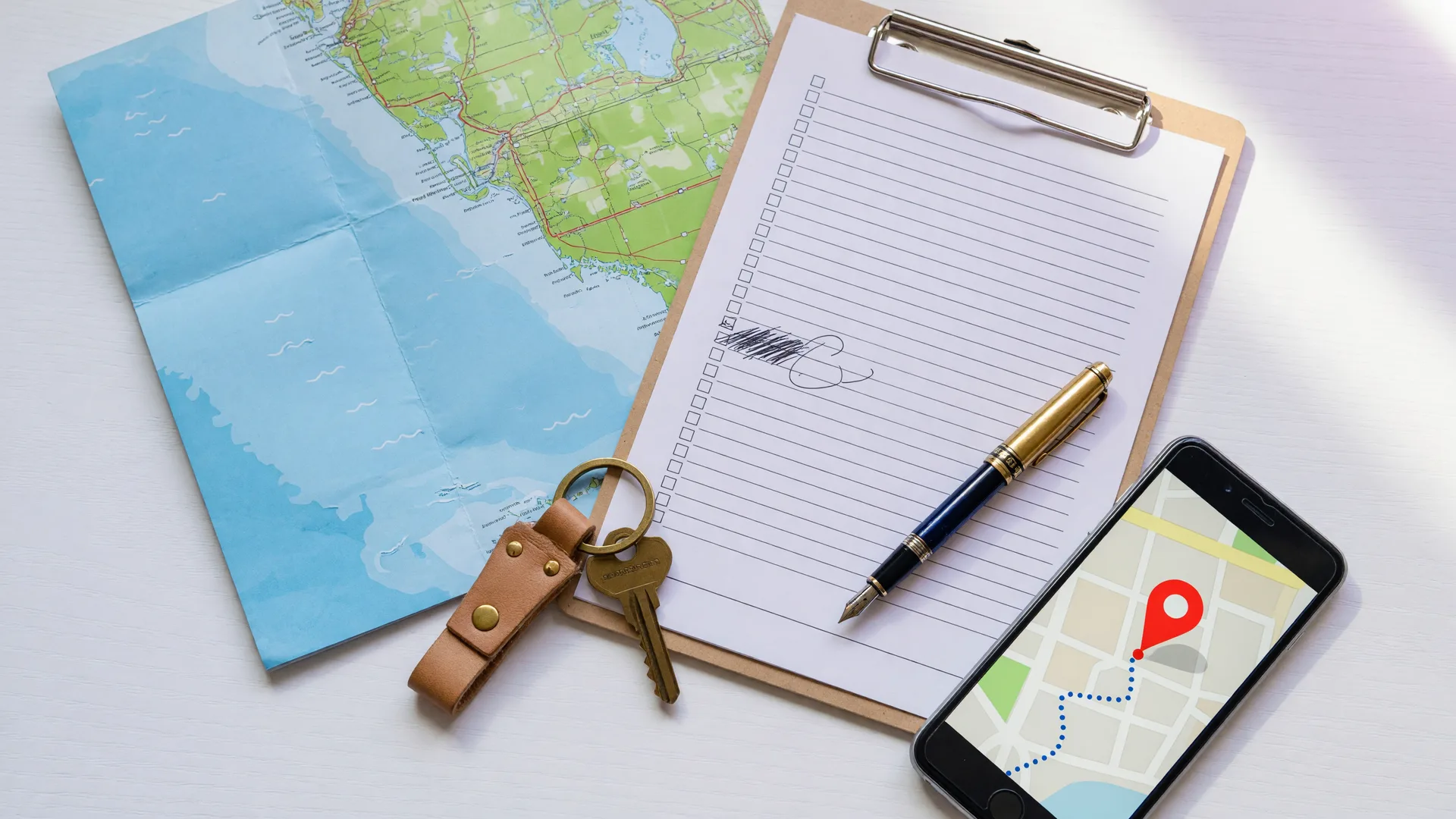
A home showing checklist helps you look past the staging and compare every property on the same criteria. Before you make an offer, check the basics in each room, walk the yard, and ask the agent about the flood zone, HOA or condo association, insurance, and any known issues. The goal is not to become an inspector, but to spot the questions worth asking before you commit.
I'm Rhonda Townsend with 1st Real Estate Solution Inc., and I help buyers throughout West Palm Beach, Wellington, Lake Clarke Shores, and the rest of Palm Beach County tour homes with a clear plan. This checklist is the same one I walk through with buyers at every showing, so you know what matters and what can wait.
Why Use a Checklist at a Home Showing?
Homes are easy to fall for on first impression. Good light, fresh paint, and smart staging can hide the details that matter most to your budget and your comfort. A checklist keeps you objective and gives you a consistent way to compare one home against the next, which is exactly what your home search checklist is designed to support.
You are not expected to catch everything. That is what the licensed home inspection is for after your offer is accepted. The showing is where you decide whether a home is worth pursuing, and a checklist helps you make that call with confidence.
What Should You Check Before You Walk In?
- The neighborhood at street level: The condition of nearby homes, the traffic on the street, and how the property sits on its lot.
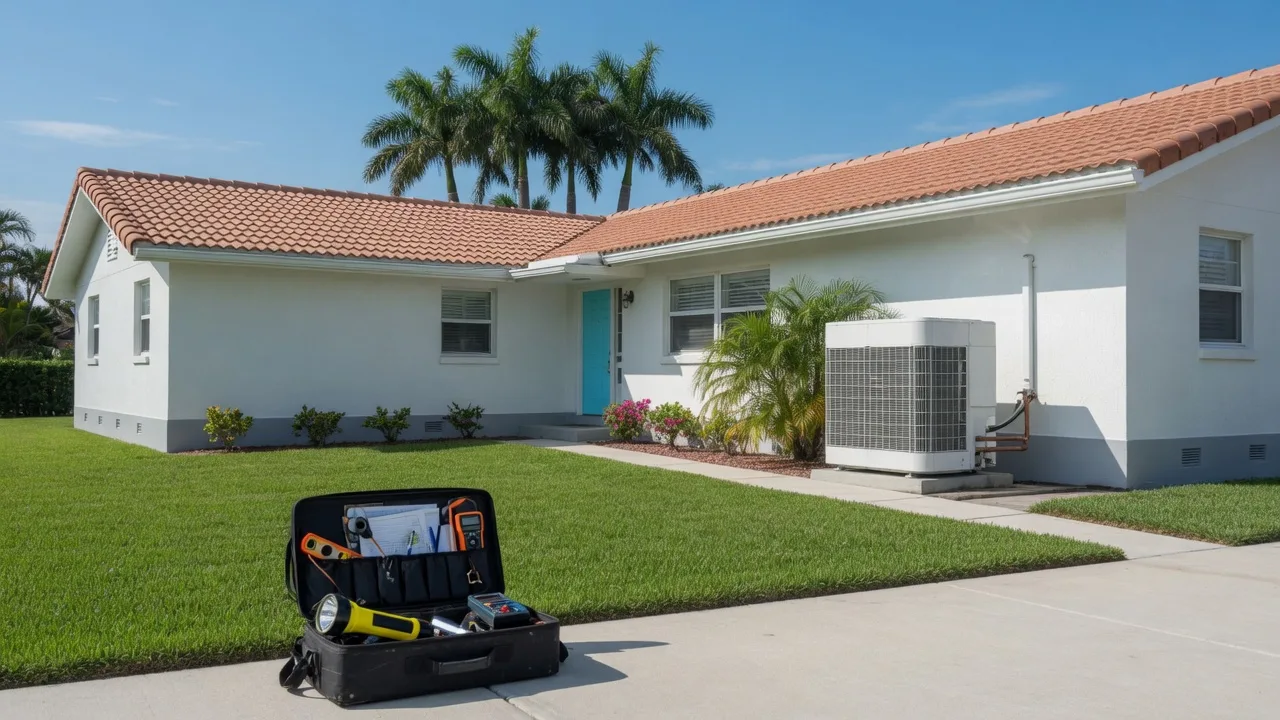
- The roof from the ground: Look for missing, lifted, or mismatched shingles, and any signs of age.
- The exterior walls: Cracks, staining, or paint that is peeling can point to maintenance needs.
- Grading and drainage: The ground should slope away from the foundation so water does not pool against the house.
- The driveway and walkways: Cracks and settlement are common, but large shifts are worth noting.
What to Look For in Each Room
Inside, work through the rooms with the same short list. You are looking for condition clues, not cosmetic preferences.
- Ceilings and walls: Water stains, bubbling paint, or fresh patches can signal past or current leaks.
- Windows and doors: Do they open and close smoothly? Is there condensation between double-pane panes, which means a failed seal?
- Floors: Soft spots, warping, or staining near exterior doors and appliances can point to moisture issues.
- Electrical: Look at the panel if it is accessible, and test a few outlets and switches. Note any that do not work.
- Plumbing: Turn on faucets and flush toilets. Check under sinks for stains or signs of leaks.
- HVAC: Ask the age of the system and look for the unit's condition. Older systems are a budget item, not a deal breaker on their own.
- Storage and layout: Does the floor plan work for how you actually live? Measure key rooms if you have specific furniture.
Open the closets and cabinets, too. Storage is one of the easiest things to overlook in a quick walkthrough, and it is also one of the hardest to add later. In the kitchen, note the age and condition of the appliances and the amount of counter and cabinet space. In the bathrooms, check for water pressure and how quickly the shower drains, since slow drainage can point to a plumbing issue that an inspection will confirm.
In a condominium or townhome, also note the association rules and fees, which I cover in my guide to HOA fees and association documents in Palm Beach County. The monthly cost and the rules can shape your decision as much as the unit itself.
What to Check Outside and in the Yard
Walk the full perimeter of the property, not just the front yard. Look at the condition of the roof from a few angles, the exterior paint or siding, and any trees that sit close to the house. Check the garage for condition and size, and note whether it fits your vehicles.
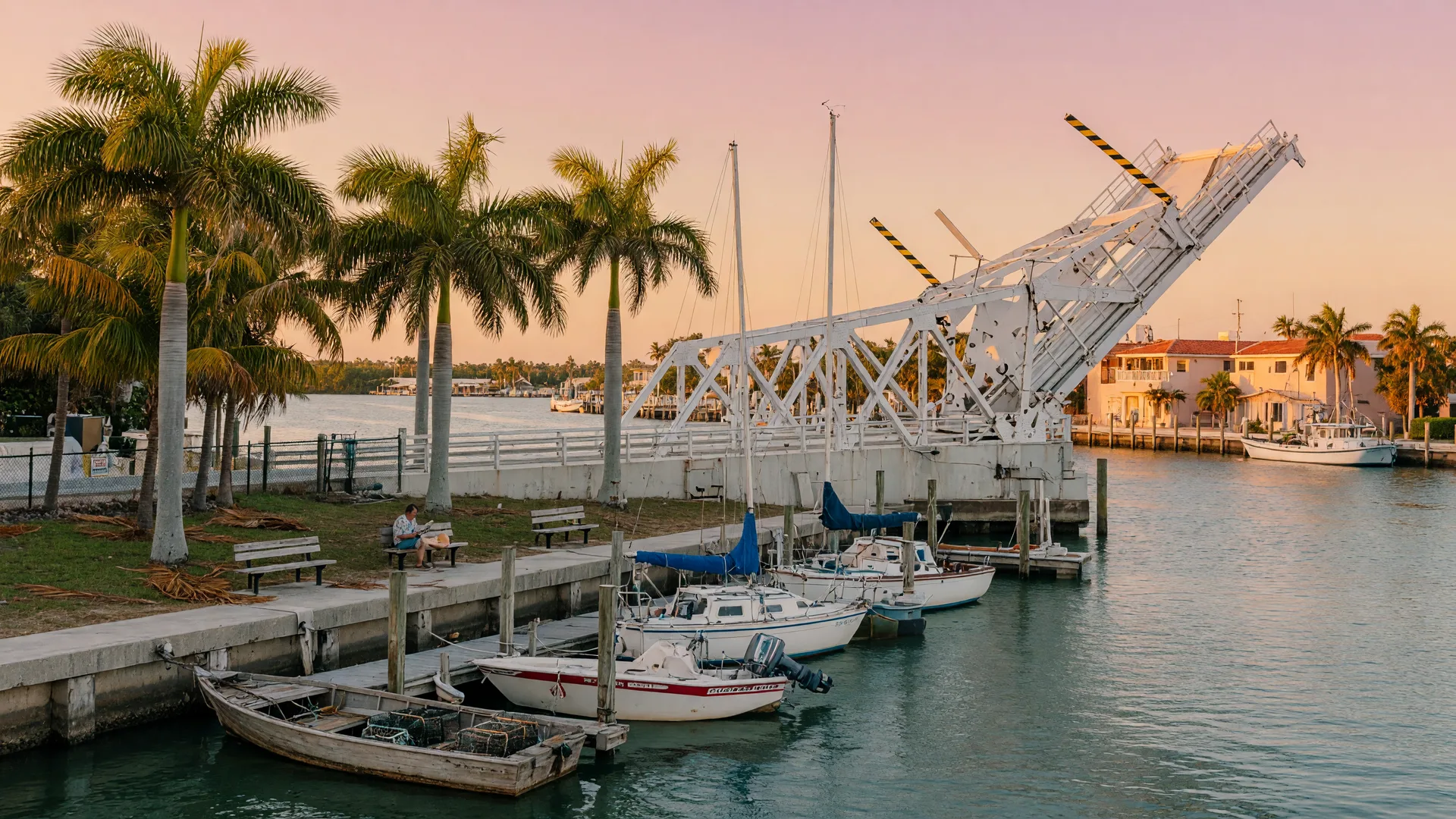
For waterfront or canal properties, the seawall and dock deserve a close look. Cracks, leaning panels, or missing sections can mean expensive repairs, and dock permits matter. My guide to seawalls, docks, and water access explains what to verify before you make an offer on a waterfront home.
What Should You Bring to a Home Showing?
A small kit makes every showing more useful. Bring a notebook or your phone for notes, a camera for photos you can review later, and a copy of your checklist so you score each property on the same criteria. Some buyers bring a tape measure for key rooms and doorways, which helps when you are comparing furniture layouts between homes.
Water and sunscreen matter in Florida year-round, especially when a showing includes time outside. Comfortable shoes are worth it, because you should be walking the full length of the lot, not just the path from the car to the front door.
What Questions Should You Ask the Agent?
- How old is the roof, and when was the HVAC replaced? These are the two biggest system costs in most homes.
- Are there any known issues or past repairs? Sellers are required to disclose known material facts, so ask directly.
- What is the flood zone, and what does insurance cost? You can check the FEMA flood map for the property, and an insurance quote early prevents surprises.
- What are the HOA or condo fees, and what do they cover? Confirm the amount, the reserves, and any pending special assessments.
- What is included in the sale? Appliances, window treatments, and fixtures vary from one listing to the next.
- Why is the seller moving? The answer can tell you about timing and flexibility, though it is not always disclosed.
The Consumer Financial Protection Bureau and HUD both publish buyer guidance that covers the same territory, and they are good reading before you start touring in earnest.
Which Findings Should Raise a Flag?
A few findings deserve extra attention. Fresh paint on one ceiling can be routine, but water stains in several rooms suggest a roofing or plumbing issue worth investigating. Active leaks, standing water in the yard, or a sagging roofline are the kind of items that stop a conversation until they are understood. An electrical panel that looks heavily modified, or a mix of amateur wiring, is another item to have a licensed electrician review if you move forward.
None of these are automatic deal breakers. Every one of them can be priced, repaired, or negotiated once you know the scope, which is exactly what the inspection and the contract contingencies are for. The checklist's job is to surface them now, while you can still compare homes with clear eyes. My article on real estate contingencies in Palm Beach County explains how the inspection and financing clauses protect you after the offer.
How Do You Turn a Showing into a Decision?
- Score every home on the same list. Use your checklist so "I liked it" becomes "it met these five criteria."
- Take photos and notes. A few photos per room help you compare homes days later, when the details blur.
- Separate must-haves from nice-to-haves. Cosmetic items are changeable; structure, systems, and location are not.
- Ask about timing. If the home fits, ask how long it has been listed and whether the seller is flexible on closing dates.
- Know your next step. If a home earns a second look, the next step is a licensed inspection after the offer, which I explain in my guide to home inspections and appraisals for Palm Beach County buyers.
A showing is the start of the real evaluation, not the end of it. The inspection, the flood and insurance check, and the association documents all come after the offer, and my complete Palm Beach County buying guide walks through each stage so nothing gets skipped.
If you are starting a home search anywhere in Palm Beach County, call me at (561) 236-9772 or email me at rtownsend@remax.net. I will help you tour homes with a clear checklist and turn each showing into a confident decision, with no pressure and no guesswork.
Ready to Start Your Home Search?
You do not need to have every detail figured out before reaching out. Tell me what you are looking for, and I can help you build a checklist, tour homes with a clear plan, and compare properties on the same criteria.
Rhonda Townsend, REALTOR® · A.I. Certified Agent™ · 1st Real Estate Solution Inc.
(561) 236-9772 ·
rtownsendrealestate@gmail.com
Frequently Asked Questions
Sources
Sources referenced in this article:
- • Consumer Financial Protection Bureau — Owning a Home: what to look for when you tour a home
- • U.S. Department of Housing and Urban Development — HUD: Buying a Home
- • FEMA Flood Map Service Center — Look up a property’s flood zone
- • Florida Realtors — Florida Realtors: buyer resources and the Florida contract
Disclaimer: This article is provided for general educational and real estate information only. It is not legal, tax, financial, insurance, environmental, engineering, or property-inspection advice. Real estate requirements, costs, risks, policies, and market conditions vary by property and may change. Consult qualified professionals regarding your individual circumstances.