Key Takeaways
- Freshwater waterfront in Palm Beach County means lakes, ponds, and connected freshwater lake systems with no tidal flow. Saltwater waterfront means tidal canals, the Intracoastal Waterway, and coastal waterways that rise and fall with the ocean tide.
- Lake Clarke Shores is one of the county's best-known freshwater lakefront settings: a connected chain of lakes separated from the Intracoastal by the Lake Worth Spillway, so lake homes there have no navigable route to the ocean.
- Flood zone and insurance requirements come from FEMA flood maps and your property's elevation, not from whether the water is fresh or salt. A lender still requires flood insurance for any home in a Special Flood Hazard Area, including homes on freshwater lakes.
- Saltwater generally demands more maintenance: corrosion on dock hardware, boat lifts, railings, and AC equipment, plus marine growth on docks and seawalls. Freshwater properties instead deal with aquatic vegetation, algae, and shoreline erosion.
- Match the water to how you actually boat and live. A pontoon and a kayak fit a freshwater lake. A deep-V fishing boat needs saltwater access. Your agent can help you compare properties with those questions in mind.
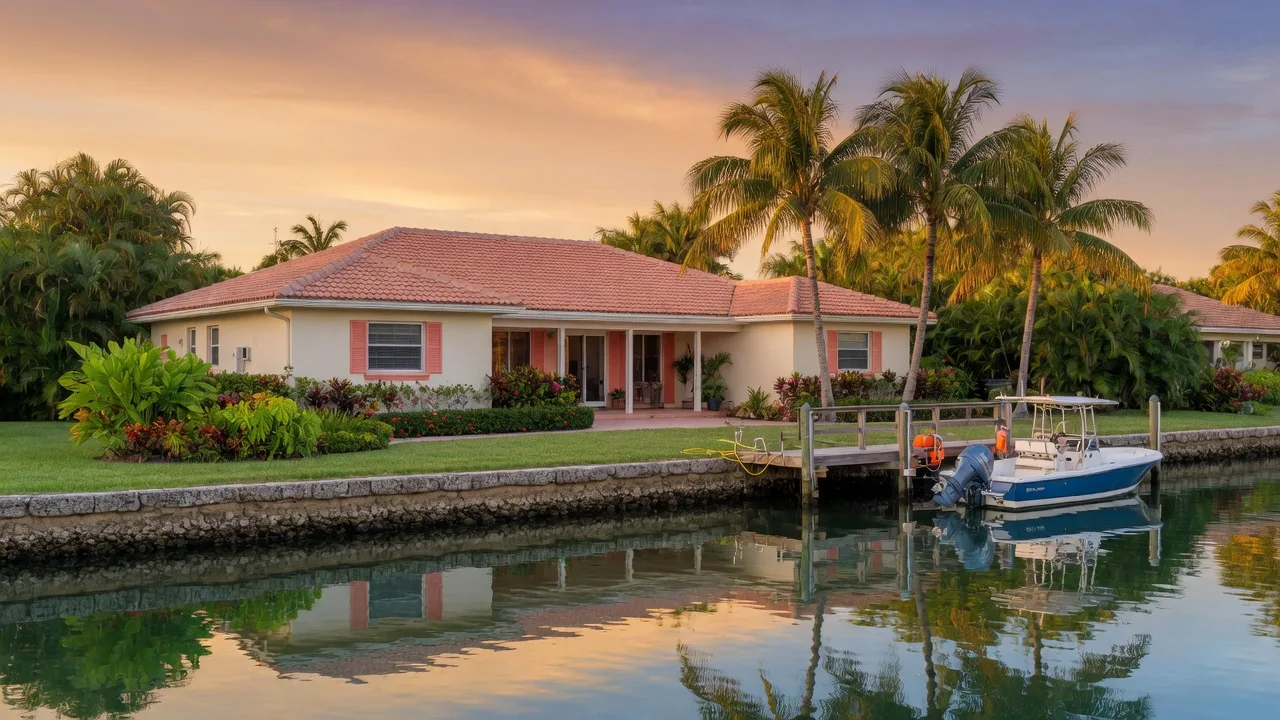
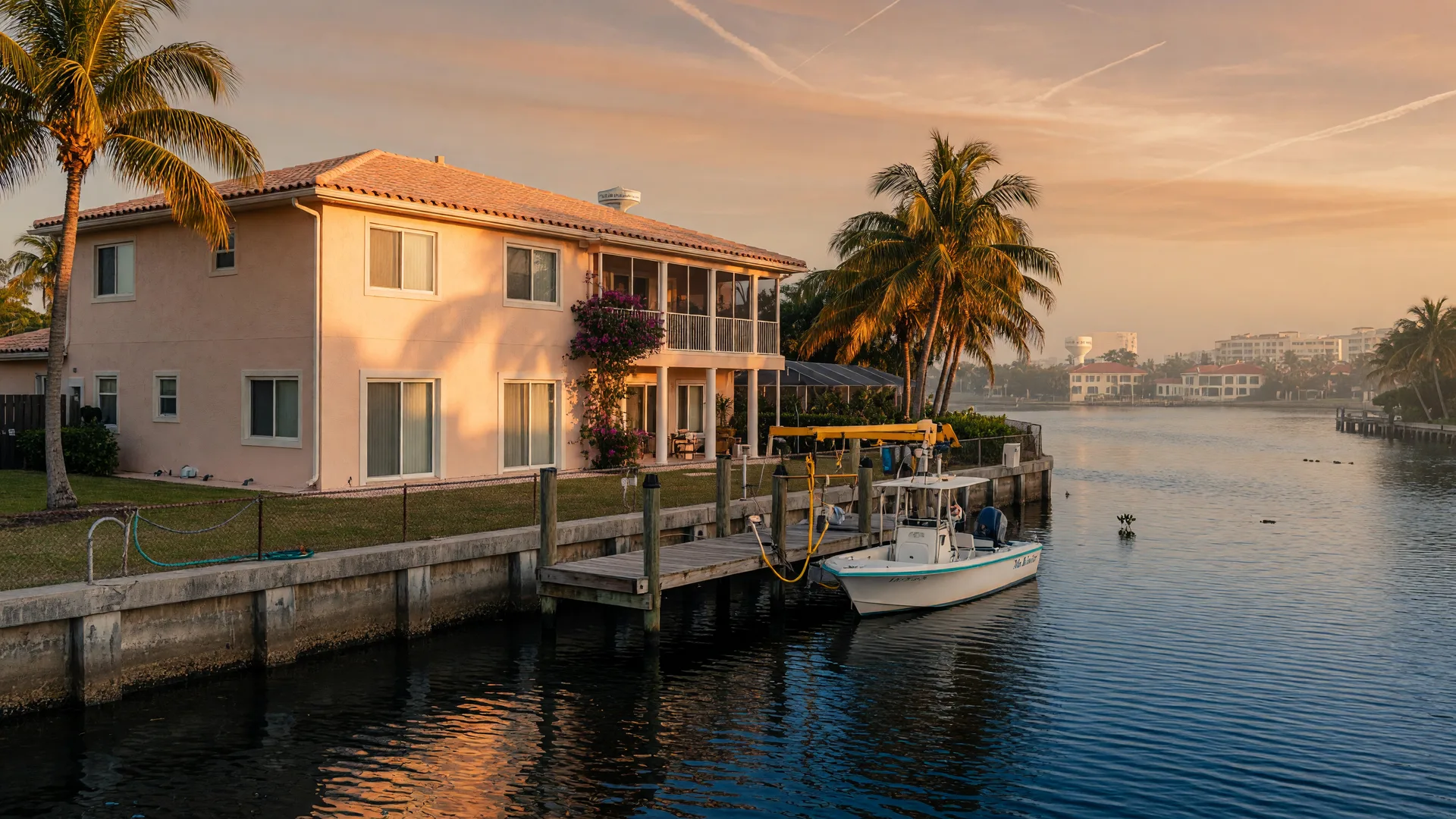
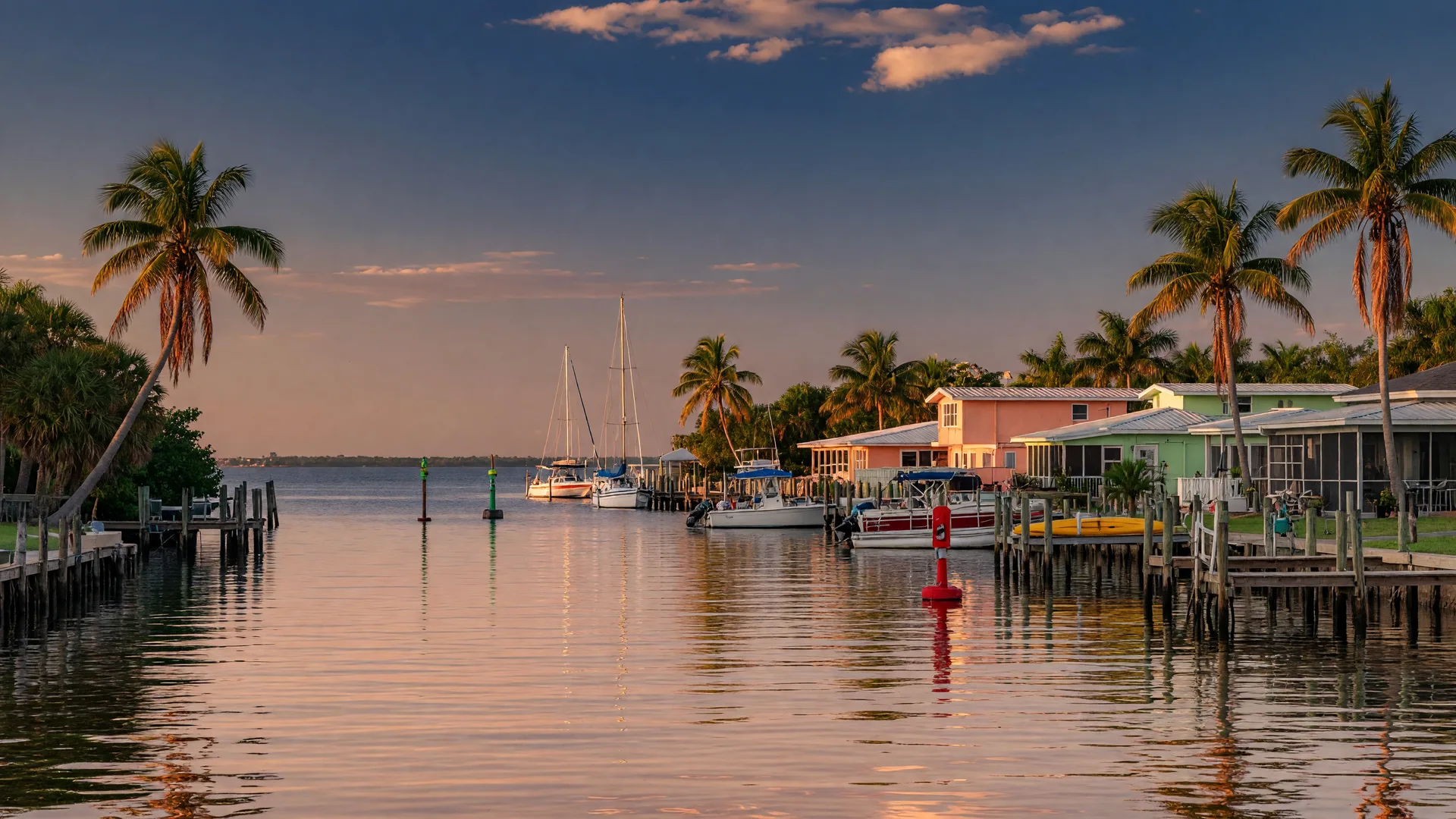
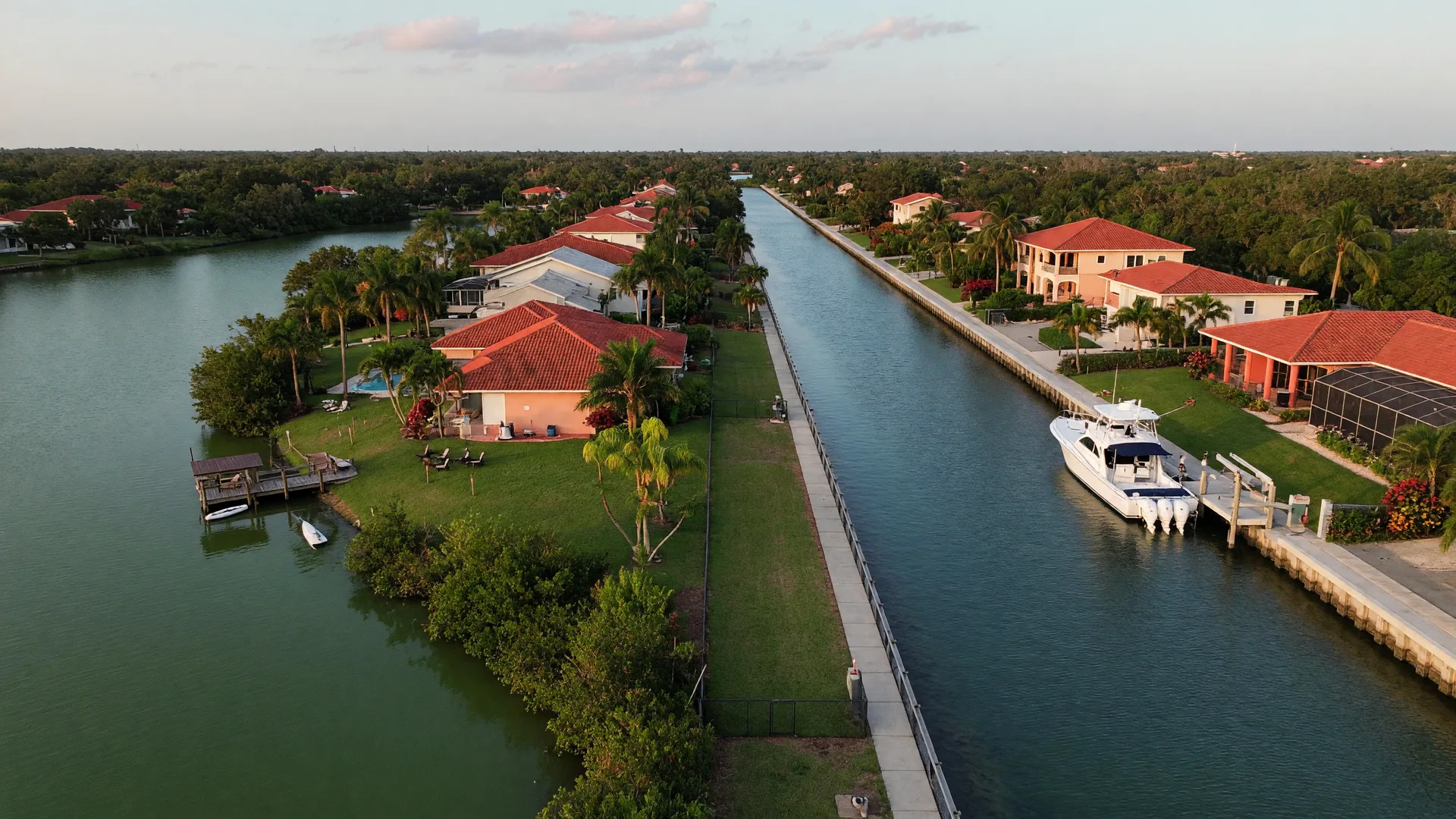
In Palm Beach County, freshwater waterfront homes sit on lakes, ponds, and connected freshwater lake systems with no tidal flow, while saltwater waterfront homes front tidal canals, the Intracoastal Waterway, and coastal waterways where the water rises and falls with the ocean tide. The difference shapes your boat, your dock, your flood insurance picture, and your maintenance routine, so it is worth understanding freshwater vs saltwater waterfront homes before you start comparing properties.
I'm Rhonda Townsend with 1st Real Estate Solution Inc., and I help buyers throughout West Palm Beach, Wellington, Lake Clarke Shores, and surrounding communities find the waterfront that fits how they actually live. This guide explains what fresh and saltwater really mean for a waterfront purchase in Palm Beach County, neighborhood by neighborhood.
What Is the Difference Between Freshwater and Saltwater Waterfront in Palm Beach County?
The simplest difference is tidal flow. Saltwater waterfront connects, directly or indirectly, to the Atlantic Ocean, so the water level, salinity, and marine life follow the tide. Freshwater waterfront has no ocean connection, so water levels are driven by rainfall, groundwater, and man-made water management rather than the tide.
In between the two sits brackish water, where salt and fresh mix. Much of the Intracoastal Waterway in South Florida is brackish to saltwater, and some canals are brackish depending on how close they are to an inlet and how much fresh runoff they receive. Salinity can shift seasonally after heavy rains. For buying purposes, what matters is the practical outcome: does the water support saltwater boats, marine growth, and tidal docks, or is it a quieter freshwater system?
If you are still choosing between property types, my earlier guide to canal front, lakefront, and Intracoastal homes in Palm Beach County compares the most common waterfront configurations in detail.
Which Palm Beach County Neighborhoods Offer Freshwater, and Which Are Saltwater?
Palm Beach County has both in abundance, and knowing the local geography saves a lot of time. The strongest freshwater lakefront settings are inland, away from inlets:
- Lake Clarke Shores: A town built around a connected chain of freshwater lakes, including Lake Clarke, Lake Osborne, and Lake Eden, linked through the C-51 canal system. The Lake Worth Spillway (S-155) separates these lakes from the brackish Intracoastal, so lake homes here enjoy calm, freshwater boating without ocean access.
- Community lakes in Wellington, Royal Palm Beach, and Palm Beach Gardens: Most of the lakes in these inland communities are freshwater, from larger lakefront parcels to smaller community lakes. Boating rules vary by lake, so check motor restrictions before you assume what is allowed.
- Western preserves: Lakes and marshes around Grassy Waters Preserve and the Loxahatchee Slough are natural freshwater systems, and nearby acreage properties often face or abut them.
Saltwater waterfront concentrates near the coast and the inlets that move ocean water inland:
- The Intracoastal Waterway and Lake Worth Lagoon: From West Palm Beach and Singer Island south through Lake Worth Beach, Boynton Beach, and Delray Beach, canal front and Intracoastal front homes have tidal saltwater and boat access to the ocean through inlets like Lake Worth Inlet and Boca Raton Inlet.
- Jupiter and the Loxahatchee River: Jupiter's riverfront and canal communities mix brackish and saltwater, with direct routes to the Jupiter Inlet and the Atlantic.
- Palm Beach and the barrier island: Homes on the island side of the Intracoastal and along the oceanfront are the most strictly saltwater settings in the county.
For a deeper look at one of the county's best-known saltwater markets, my guide to boating communities and dock life in Jupiter explains riverfront versus Intracoastal water in detail. And if Lake Clarke Shores appeals to you, the town's lakes are the centerpiece of its waterfront living community guide.
How Does the Water Type Affect Boats, Docks, and Daily Use?
Your boat is the fastest way to know which water fits you. Freshwater lakes suit pontoon boats, bass boats, skiffs, kayaks, and canoes. Many community lakes restrict gas motors, which keeps the water calm and quiet. Saltwater canals and the Intracoastal suit deep-V hulls, center consoles, and larger boats built for open-water runs, because you have the option to reach inlets, reefs, and offshore fishing grounds.
Docks and lifts
Docks on freshwater lakes are typically simpler: floating docks and stationary platforms, often with vinyl or composite construction. Saltwater docks demand marine-grade materials because salt water and salt air corrode hardware, and growth like barnacles colonizes submerged surfaces. Boat lifts on saltwater need galvanized or stainless steel components and more frequent service.
Fishing and recreation
Freshwater lakes hold bass, bluegill, and freshwater species, and many lakefront communities in Palm Beach County are known for exactly that kind of quiet fishing and water skiing. Saltwater canals open you to snook, tarpon, and offshore species, with a very different fishing culture. Neither is better; they are simply different weekends.
My guide to boating and marinas in Palm Beach County covers launch ramps, marinas, and how the water shapes daily life across both freshwater and saltwater communities.
How Do Flood Zones and Insurance Differ Between Freshwater and Saltwater Homes?
This is the area where buyers most often assume the wrong thing. Flood risk is mapped by FEMA, and the official flood maps decide whether a property sits in a Special Flood Hazard Area. Coastal saltwater properties near the ocean and inlets are frequently mapped in higher-risk zones, sometimes including areas subject to wave action, while lakeside properties can also sit inside Special Flood Hazard Areas even when they are entirely freshwater.
Two practical rules apply to both:
- Lenders require flood insurance in a Special Flood Hazard Area, no matter whether the water is fresh or salty. A lakefront home in an AE zone gets the same lender requirement as a canal home.
- Premiums are set by elevation and property risk, not by water type. Flood insurance costs reflect the mapped zone, the home's elevation, and building characteristics, so two waterfront homes on different bodies of water can have very different premiums.
An elevation certificate is the single most useful document for a waterfront buyer, because it tells you how the home sits relative to the base flood elevation. My flood zones and flood insurance guide walks through reading flood maps and elevation certificates, and my article on how flood insurance premiums are set in Palm Beach County explains what actually drives the price. The National Flood Insurance Program also publishes plain-language guidance on what coverage costs and why.
What Should You Maintain Differently on a Freshwater or Saltwater Property?
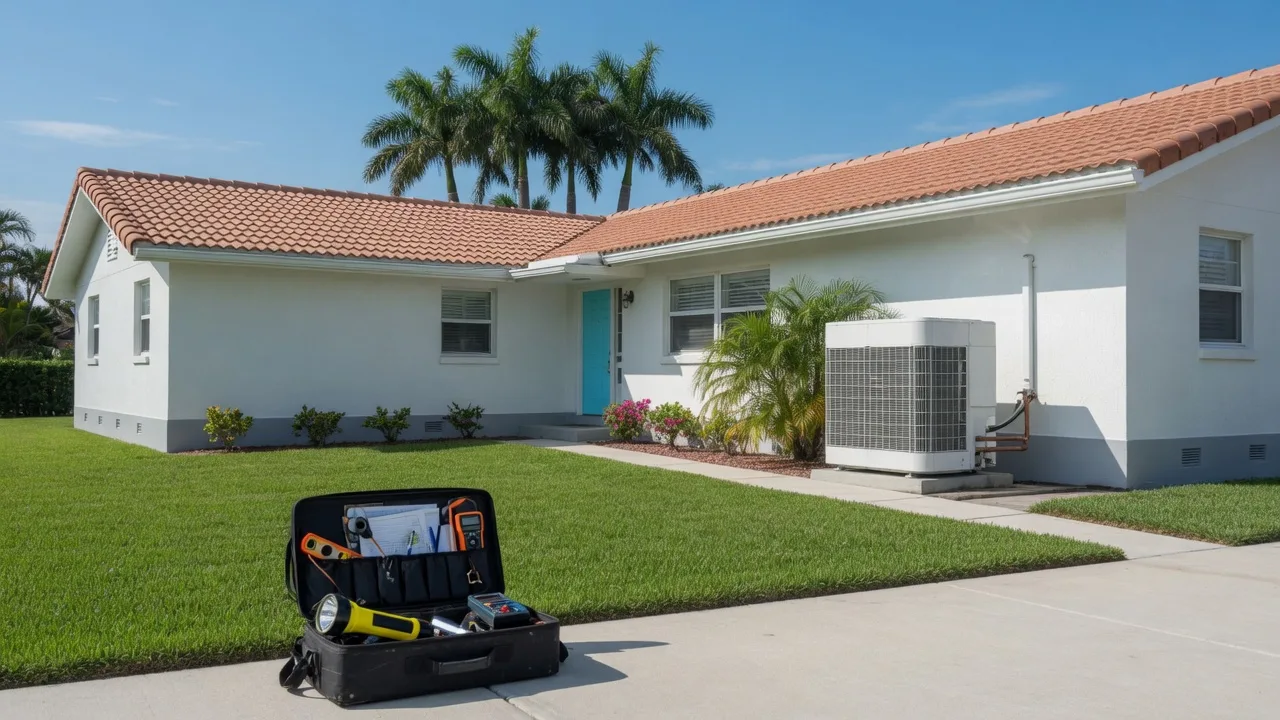
Saltwater living is harder on equipment. Salt air accelerates corrosion on AC condenser coils, metal railings, light fixtures, and boat lift hardware. Marine growth fouls dock pilings and seawalls, and concrete seawalls can spall and crack over decades of tidal exposure. Budget for periodic dock and seawall service on saltwater properties, and plan to rinse equipment that lives near the water.
Freshwater properties trade salt for biology. Lakes grow aquatic vegetation and algae, shorelines erode, and wooden or vinyl bulkheads need periodic inspection. Florida's freshwater lakes also host their own wildlife, from wading birds and turtles to alligators, which is simply part of lake living here. County and state agencies manage many of these systems, so shoreline regulations vary by body of water.
My guide to seawalls, docks, and water access covers the structures to inspect and the permits to verify on any waterfront purchase, fresh or salt.
What Else Should You Verify Before Making an Offer on a Waterfront Home?
A waterfront purchase has a longer checklist than a standard home, and these items matter on both fresh and saltwater:
- Water access and depth at your dock: Verify the depth at the seawall or dock at the season's lowest water level, and check whether your boat size can actually use it.
- Bridge clearance and no-wake zones: If you will run to open water, know every bridge, its clearance, and any slow-speed zones between your dock and the inlet.
- Manatee protection areas: Many saltwater canals in Palm Beach County sit inside manatee protection zones with posted speed limits.
- Permits and riparian rights: Confirm the dock, seawall, or bulkhead was permitted, and understand what the county, the Florida Department of Environmental Protection, or your water management district regulates for the body of water.
- Flood elevation certificate and insurance quotes: Get both before you commit, not after.
Tidal information is published openly: the NOAA Tides and Currents service tracks water levels for Florida stations, and a marine or dock survey can confirm conditions at the specific property.
If you are narrowing your search to waterfront, my waterfront homes resource page explains the full range of what to evaluate, and I am always happy to walk a specific property through this list with you. Call me at (561) 236-9772 or email rtownsendrealestate@gmail.com. I have lived the waterfront lifestyle myself, and I can translate what the water is really like before you make an offer.
How Do You Decide Which Waterfront Type Fits You?
Start with honest answers to four questions:
- What boat, if any, will live at the property? A pontoon on a freshwater lake versus a center console that needs an inlet nearby.
- How do you want to use the water? Quiet lake mornings for fishing and paddling, or running to the reef on weekends?
- What maintenance are you ready to own? Salt corrosion and marine growth, or aquatic vegetation and shoreline care?
- What does the budget say? Compare real recent sales for fresh and saltwater homes in the communities you like with your agent.
There is no universal winner. Freshwater lakefront in places like Lake Clarke Shores offers calm water, a softer price point, and most of the waterfront experience. Saltwater canal and Intracoastal homes offer direct ocean access and a different kind of lifestyle. The right answer is the one that matches your boat, your weekends, and your tolerance for maintenance, and that is a conversation worth having before you schedule showings.
Planning a Waterfront Move?
Freshwater or saltwater, the details matter: flood zone, dock condition, water depth, insurance, and how you will actually use the water. Tell me what you are looking for, and I can help you compare waterfront homes across Palm Beach County that match how you boat and live.
Rhonda Townsend, REALTOR® · A.I. Certified Agent™ · 1st Real Estate Solution Inc.
(561) 236-9772 ·
rtownsendrealestate@gmail.com
Frequently Asked Questions
Sources
Sources referenced in this article:
- • FEMA Flood Map Service Center — Official Flood Hazard Maps
- • National Flood Insurance Program (NFIP) — Flood Insurance Information
- • Town of Lake Clarke Shores — C-51 Canal and S-155 Spillway
- • NOAA Tides and Currents — Tide Predictions for Florida Stations
Disclaimer: This article is provided for general educational and real estate information only. Water access, depth, bridge clearance, dockage, flood information, insurance requirements, and boating suitability vary by property and should be independently verified. Consult qualified professionals regarding your individual circumstances.