Key Takeaways
- Give yourself eight weeks if you can. Preparation always takes longer than people expect, and a calm timeline produces a better result than a rushed one.
- The order matters: early on you decide the big picture (repairs, budget, documents), and the final weeks are about cleaning, staging, and details.
- Focus repair money on function and appearance, not renovations. Buyers notice a serviced AC and a clean kitchen far more than a trendy upgrade.
- Staging, photography, and pricing all work together. A well-prepared home photographed well at a realistic price is the most reliable formula in Palm Beach County.
- A showing-ready routine keeps your home marketable every day, not just on days you have showings.
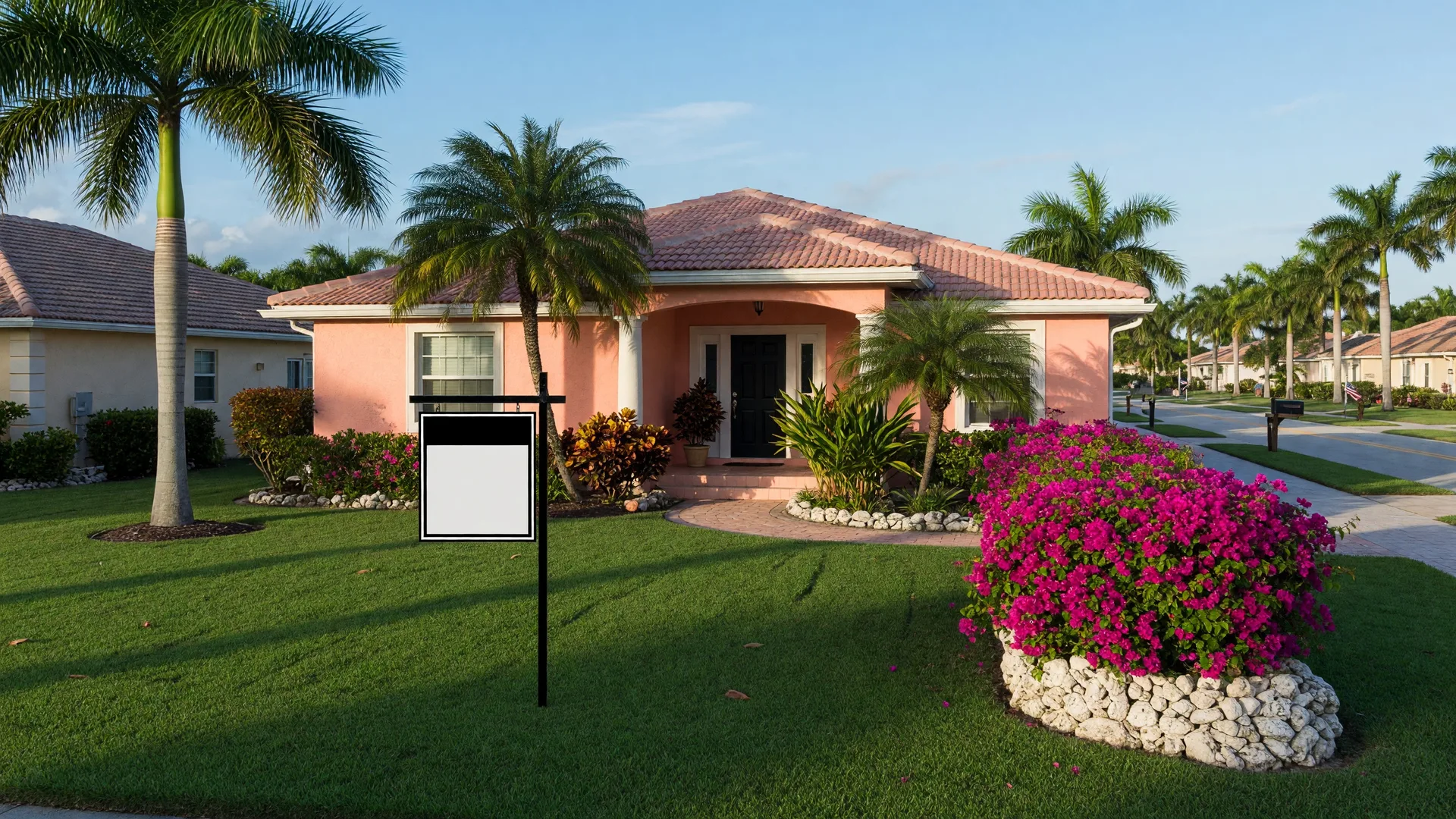
Preparing a home for sale in Palm Beach County works best as a week-by-week checklist rather than a last-minute scramble. Give yourself about eight weeks, tackle the big decisions early, and spend the final weeks on cleaning, staging, and details, and you will list with confidence instead of exhaustion. This timeline lays out exactly what to do each week.
I'm Rhonda Townsend with 1st Real Estate Solution Inc., and I have helped sellers across West Palm Beach, Wellington, Lake Clarke Shores, Royal Palm Beach, and surrounding communities prepare homes for market. The pattern that works is always the same: plan early, prioritize repairs, and finish strong on presentation.
Eight Weeks Out: What Should You Do First?
Week one is about decisions, not dusting. The work you do now sets the budget and the schedule for everything that follows:
- Interview your selling team. If you have not chosen an agent yet, this is the week. You want someone who knows your neighborhood's pricing and buyer pool. Ask how they price homes, how they market them, what their communication rhythm is, and how many buyers they work with in your area. The right fit matters as much as the credentials.
- Set a preparation budget. Repairs, cleaning, staging, landscaping, and moving supplies all have costs. My cost to sell a home guide itemizes the full picture so you plan with real numbers.
- Walk the home room by room and start a list of what needs repair, what needs cleaning, and what needs to go.
- Gather documents you will need at listing: your deed or title info, HOA or condo documents, warranties for major systems, and any survey or improvement records.
- Check market timing with your agent, including how your property type is performing in your area right now.
If you are weighing whether to fix or sell as-is, my as-is versus repairs comparison helps you run the math on your specific home.
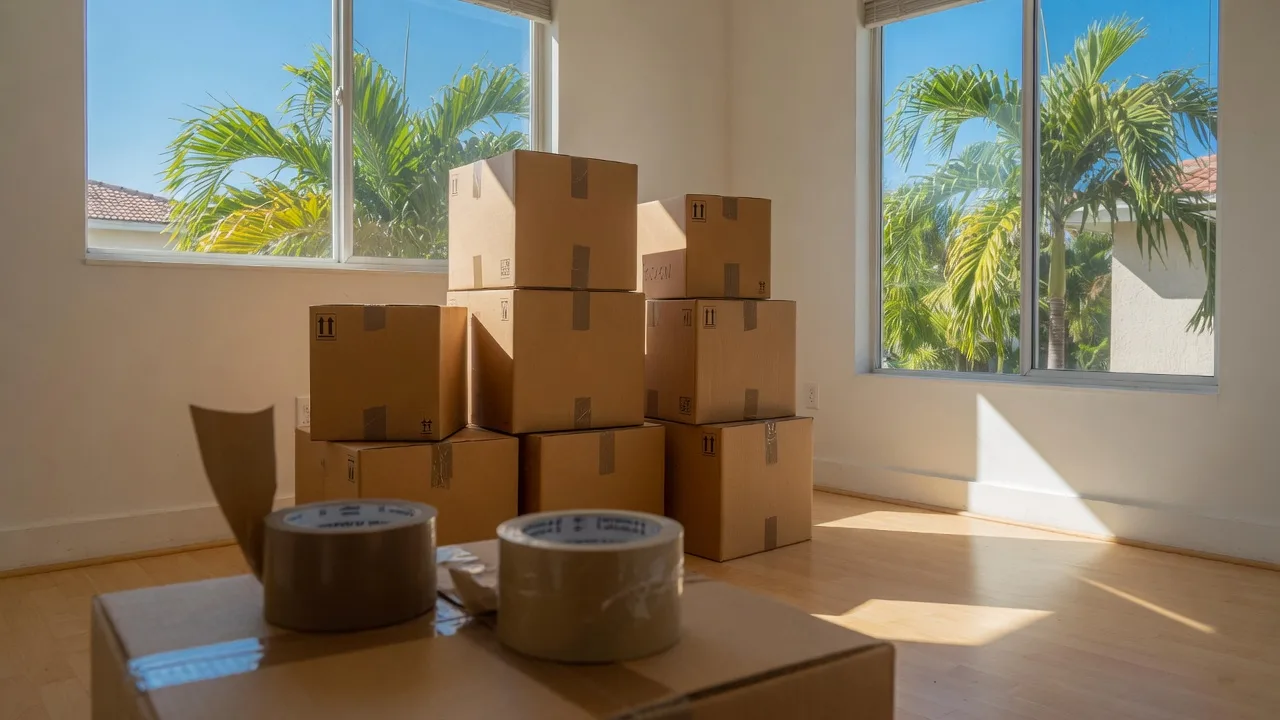
While you declutter, give yourself permission to let things go. Items in good condition can go to a charity thrift store or a local donation center such as a Habitat for Humanity ReStore, which also accepts building materials and appliances. Furniture and larger pieces can go to a consignment shop or a marketplace listing. What matters is that the decisions keep moving: if you are not sure about an item, set a date to decide and stick to it, because the pile that survives week six becomes the box you carry into week four.
Six Weeks Out: Declutter, Repair, and Gather Documents
This is the biggest working week of the timeline. Decluttering is the highest-leverage task in all of home preparation, because it costs mostly time and it changes how every room photographs and shows:
- Declutter room by room. Sort into keep, donate, sell, and toss. Clear kitchen counters, bathroom vanities, and closets to about two-thirds full so spaces look larger.
- Start the repair list. Fix leaky faucets, cracked tiles, and anything that rattles or squeaks. These small items signal care to buyers out of proportion to their cost.
- Consider a pre-listing inspection. It surfaces issues early so you can fix or disclose them on your terms. The report also gives you a head start on the questions a buyer's inspector will raise later, which means fewer surprises and smoother negotiations once you are under contract.
- Begin paperwork: confirm HOA rules on showings and signage, check your insurance coverage, and locate service records for the roof, AC, and pool equipment.
- Plan the landscaping. Eight weeks out is when turf and planting repairs start paying off by listing day.
Four Weeks Out: Deep Clean, Refresh, and Plan Photography
With the heavy lifting done, week four is about finishing the physical condition and planning presentation:
- Schedule a deep clean, including windows, baseboards, ceiling fans, and the inside of the oven. Florida homes also benefit from pressure washing the lanai and walkways.
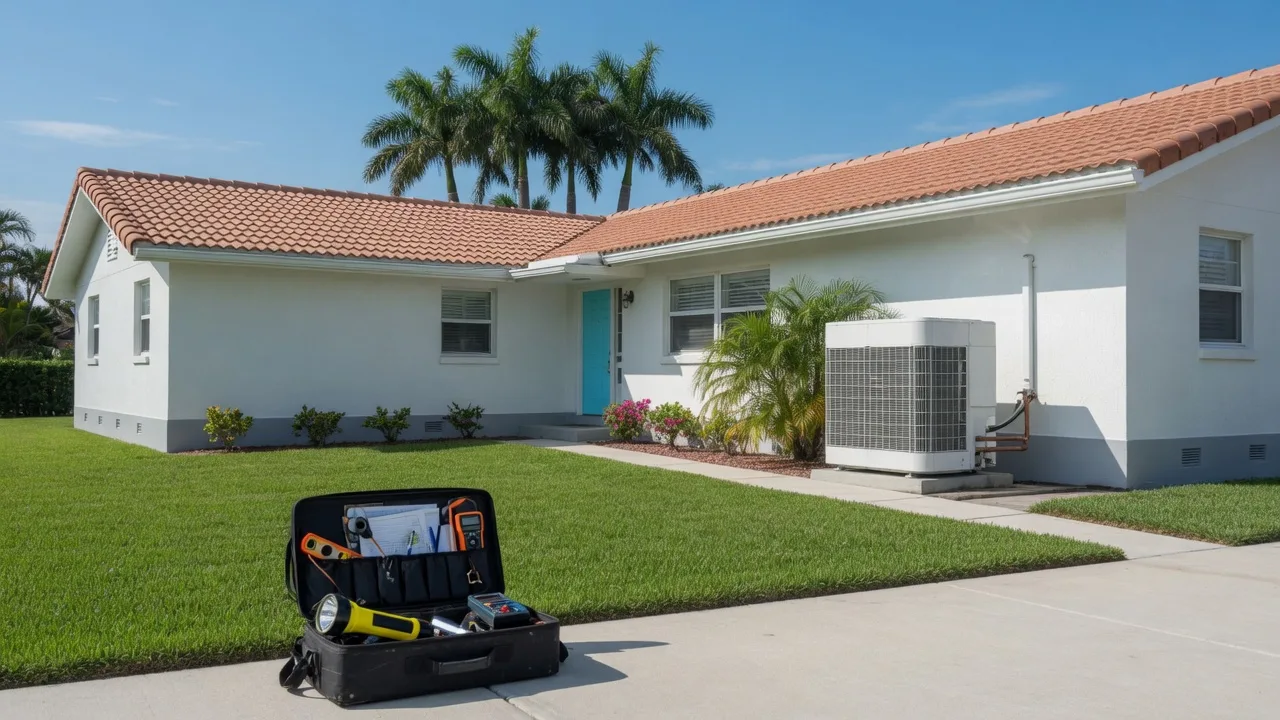
- Service the systems. Change the air filter now and again before listing, test the pool equipment if the home has a pool, and confirm the irrigation runs evenly. Small mechanical issues tend to surface during showings, so handle them while you have lead time.
- Check the details buyers touch. Door handles, cabinet hinges, switch plates, and caulking get noticed in Florida's high-humidity climate. Replacing worn fixtures is inexpensive and photographs well.
- Review storm readiness items like shutters and impact windows so you can speak to them accurately if a buyer asks, and so your agent can present the home's protection features confidently.
- Tackle touch-up painting on walls, trim, and doors. Neutral, light colors photograph best and appeal to the widest range of buyers.
- Have the HVAC serviced and replace the filter, so the system runs clean and quiet during showings.
- Book your photographer and stager for the weeks ahead so you hold the dates you want. Photographers schedule around the light of day, so book the time of day your home looks its best, usually morning on the east side and late afternoon on the west, and confirm the exact room list you want captured.
- Finish loose landscaping: fresh mulch, trimmed hedges, and a clean entryway. For a deeper dive into curb appeal and the full preparation playbook, my how to prepare your home for sale guide covers everything in one place.
Two Weeks Out: Stage, Price, and Prepare for Showings
The final push is about making every room look its best and making sure the price matches the presentation:
- Stage the home: arrange furniture for flow, remove personal photos, and keep surfaces minimal. Even light staging changes how rooms photograph.
- Finish all repairs and do a final walkthrough with fresh eyes, ideally with your agent.
- Settle the pricing strategy with your agent using current comparable sales in your neighborhood. The selling guide on this site walks through how pricing and marketing work together.
- Prepare for showings: pack away valuables and medications, set a plan for pets, and collect the essential supplies you will use every showing day.
- Plan the launch details: decide on showing windows with your agent, whether you will allow short-notice showings, and how you want to handle feedback. The more buyer-friendly your showing policy, the more traffic your first week receives.
- Check your property records for tax and improvement details so nothing surprises you at closing. The Palm Beach County Property Appraiser is the official source for both.
Listing Week: Photos, Marketing, and Showings Begin
Listing week is when everything you have done becomes visible to the market:
- Photography first. Professional photos, video, and any drone footage happen before the home goes live, while everything is at its best.
- Launch the listing with your agent's marketing plan: the local MLS, major portals, social media, and targeted outreach to buyers already searching in your area. Modern marketing also includes video walkthroughs, digital staging options, and data-driven targeting, so ask what your listing will actually include before it goes live.
- Open the calendar for showings and ask your agent to share buyer feedback after each one. Early feedback, especially in the first week, tells you whether the price, photos, and condition are resonating, and it is easier to adjust early than after momentum fades.
- Keep the home show-ready from day one, because the first week of listings gets the most attention in most markets.
What If You Only Have a Few Weeks?
Not every seller gets eight weeks, and that is fine. If time is short, compress the plan rather than skip it: do the highest-impact work first (decluttering the main rooms, repairing obvious defects, cleaning thoroughly, and landscaping the entry), and let presentation carry the rest. A bright, clean, uncluttered home photographs well even when the to-do list is not empty. Just be honest with your agent about what was and was not done, so pricing and disclosure stay accurate.
How Do You Keep a Home Show-Ready Week After Week?
The sellers who stay calm are the ones with a routine. A ten-minute tidy each morning, beds made, counters cleared, and dishes done keeps the home ready at all times. Keep a small basket of day-of-showing supplies: fresh towels, a candle or diffuser, and a lightbulb or two in case one burns out.
What if you are living in the home during the sale?
Most sellers are, and that is fine. The routine looks like this: a morning reset of the main living areas, a load of laundry put away the same day it finishes, and a bin system for anything a buyer should not see, from paperwork to pet supplies. It also helps to set a weekly check: every Sunday, walk the home the way a stranger would, and fix the three things that catch your eye before the next wave of showings.
In communities with association rules, like many parts of Royal Palm Beach, check the HOA requirements on signage and showings early so nothing derails your launch. Your Florida Realtors resources and your agent can answer the process questions that come up along the way.
If you are ready to start your own eight-week countdown, call me at (561) 236-9772 or email rtownsendrealestate@gmail.com. I will walk your home room by room, help you decide what is worth doing, and build the plan that gets you to a confident listing day.
Thinking About Selling Your Home?
A clear eight-week plan makes selling calmer and more effective. I can help you decide what to fix, what to skip, and how to price and market your home for your specific neighborhood.
Rhonda Townsend, REALTOR® · A.I. Certified Agent™ · 1st Real Estate Solution Inc.
(561) 236-9772 ·
rtownsendrealestate@gmail.com
Frequently Asked Questions
Sources
Sources referenced in this article:
- • Florida Realtors — Florida real estate resources for sellers
- • Palm Beach County Property Appraiser — Property records and tax information
Disclaimer: This article is provided for general educational and real estate information only. It is not legal, tax, financial, insurance, environmental, engineering, or property-inspection advice. Real estate requirements, costs, risks, policies, and market conditions vary by property and may change. Consult qualified professionals regarding your individual circumstances.