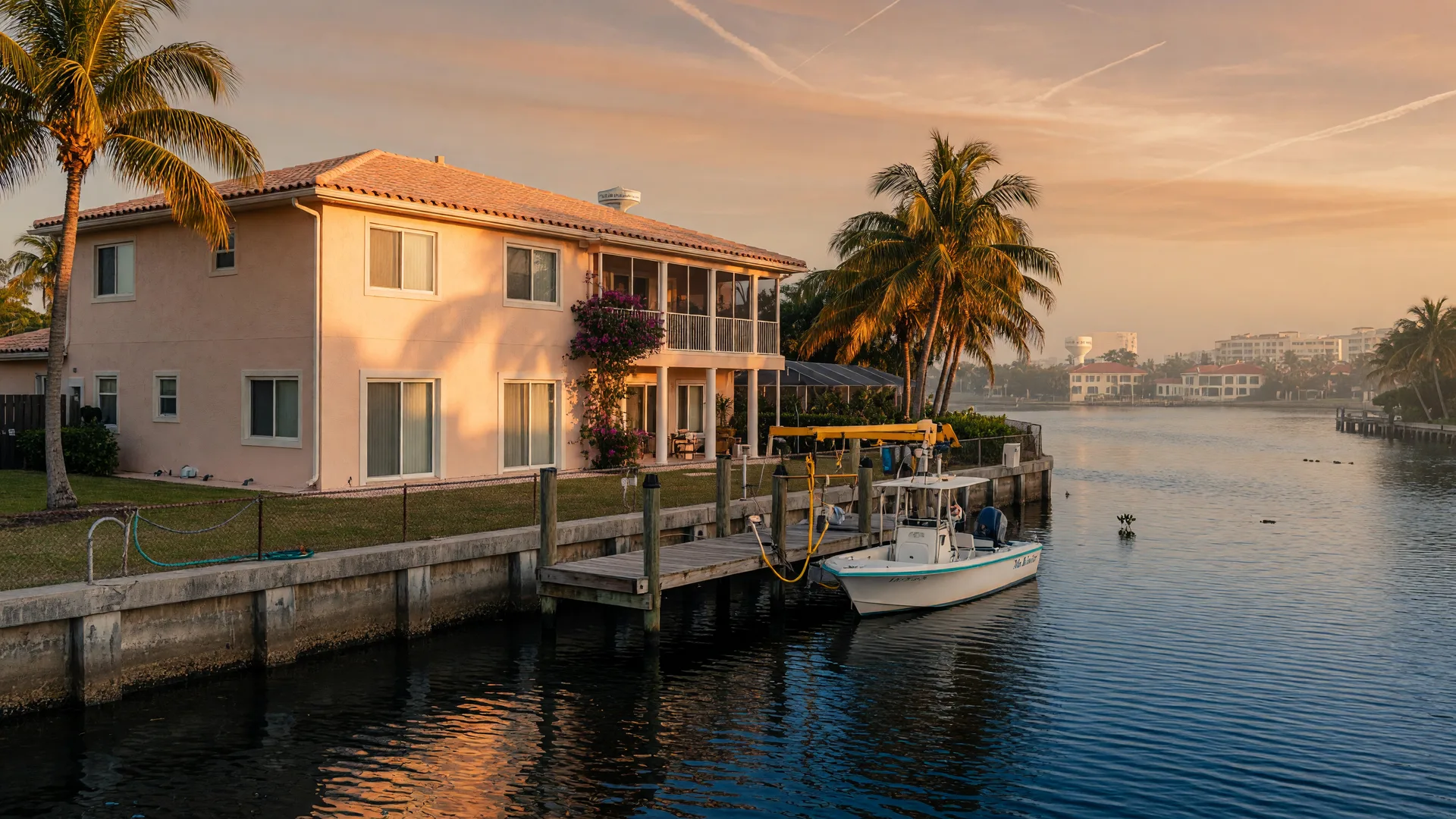
Key Takeaways
- Seawalls, docks, and water access are the most important, and most expensive, systems on a waterfront home. Get them inspected before you make an offer.
- A licensed marine contractor or surveyor can check seawall condition, dock pilings, the boat lift, and whether structures match what is permitted.
- Docks and seawalls are often covered by environmental exemptions, but repairs still commonly need state and local approvals. Ask about permits before closing.
- Water access is more than a view. Depth at low tide, bridge clearance, and canal width determine what you can actually do on the water.
- Flood zone, wind insurance, and the condition of any shore-power electrical should be part of your due diligence, not an afterthought.
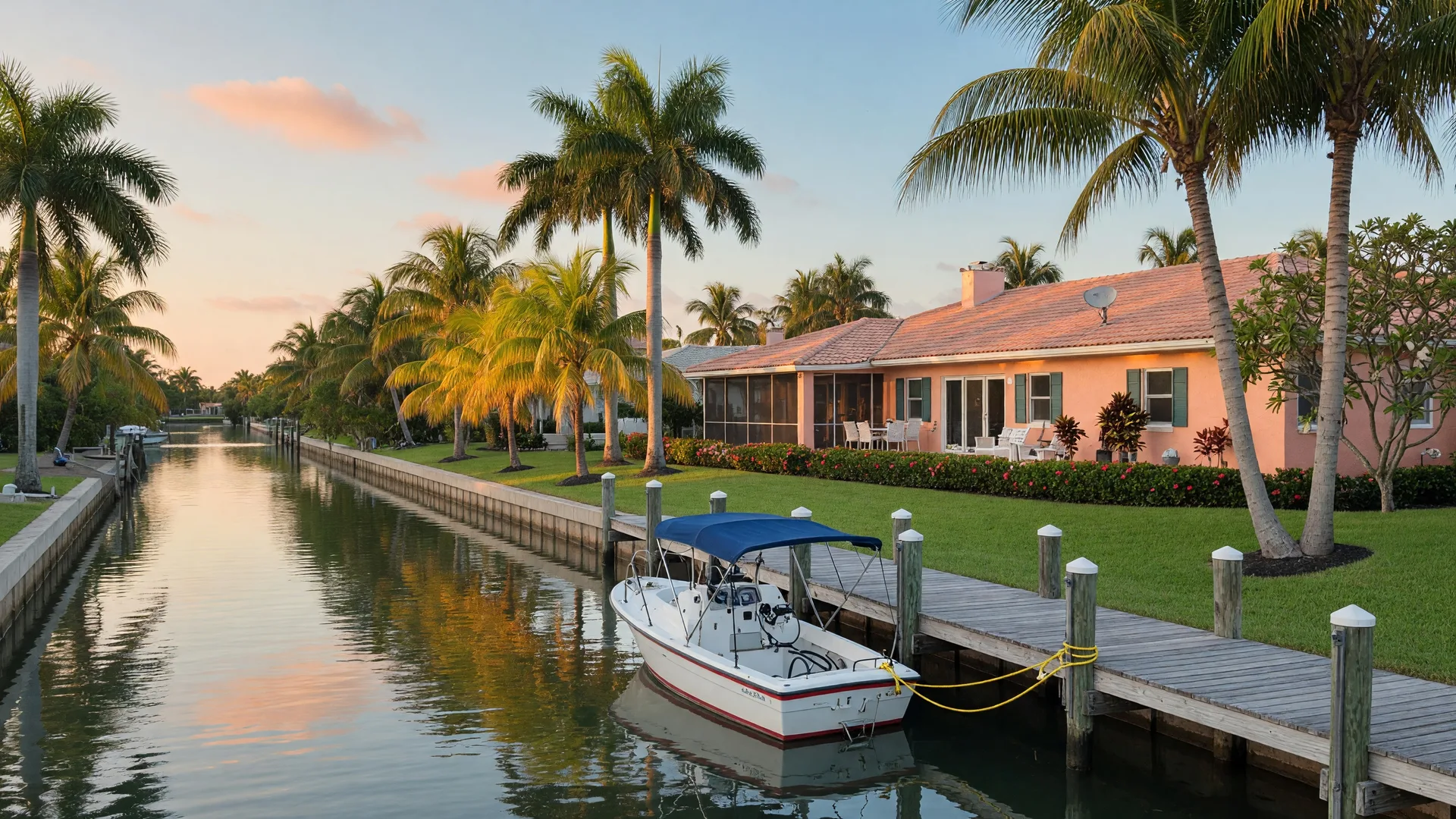
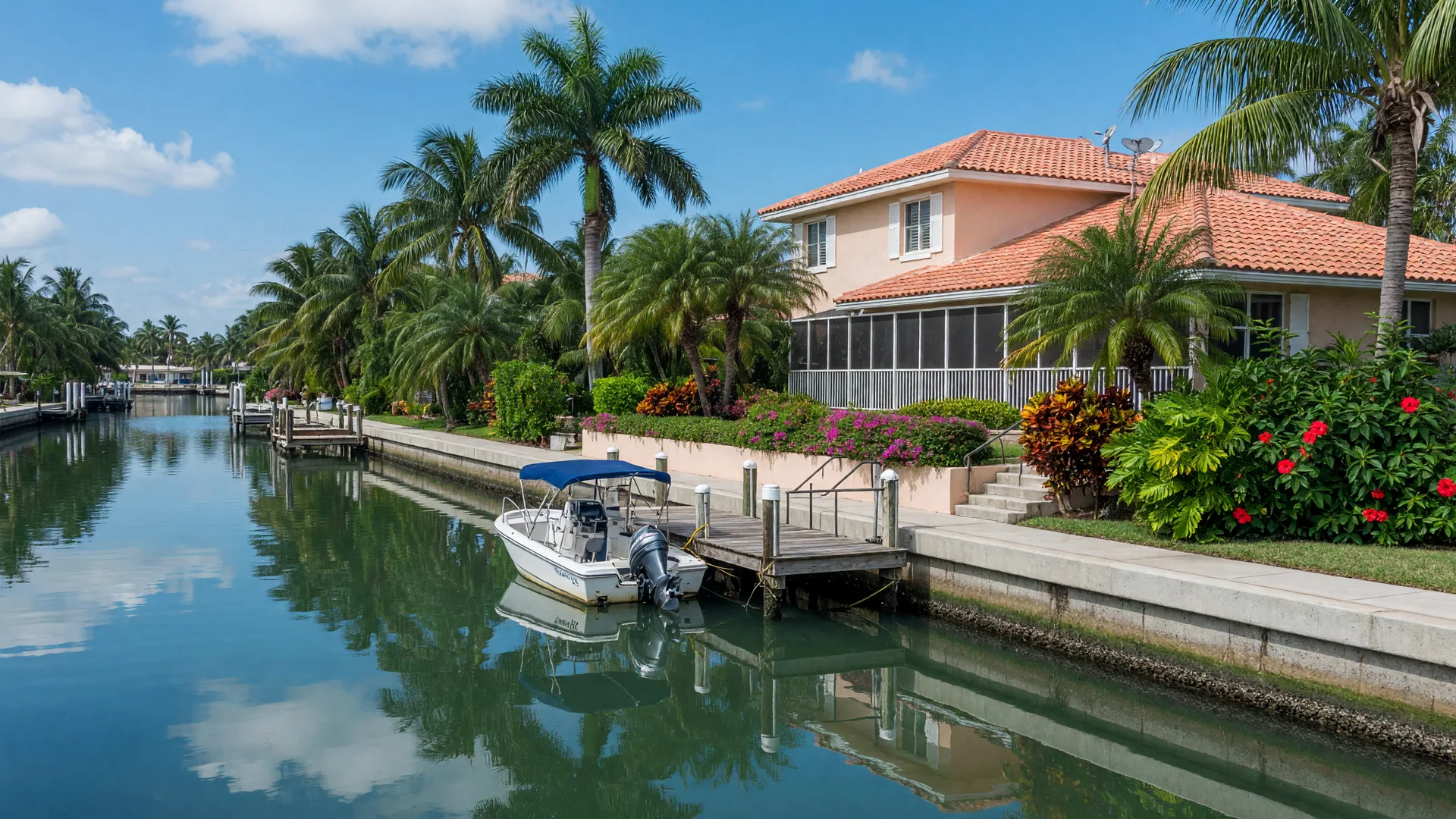
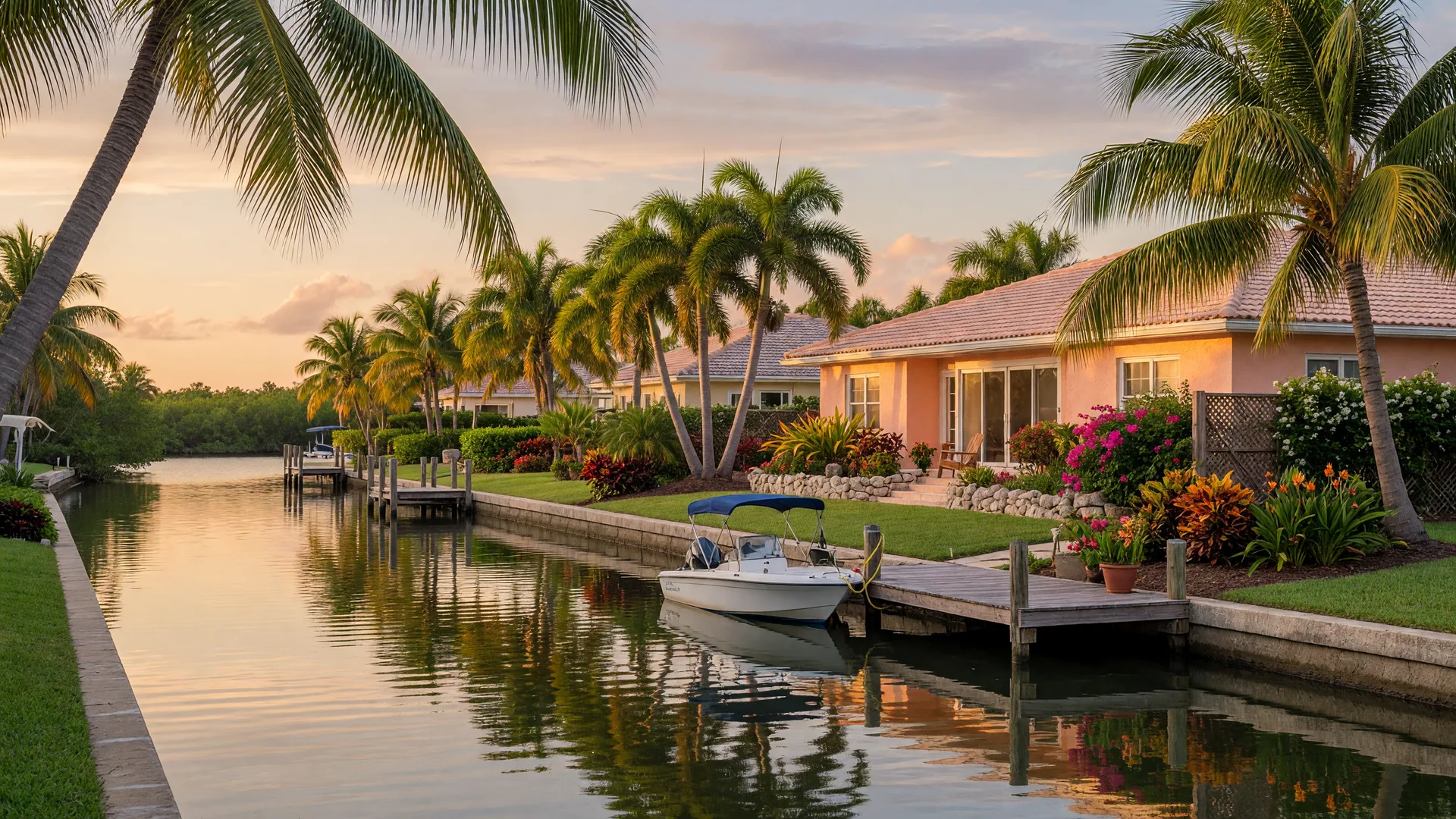
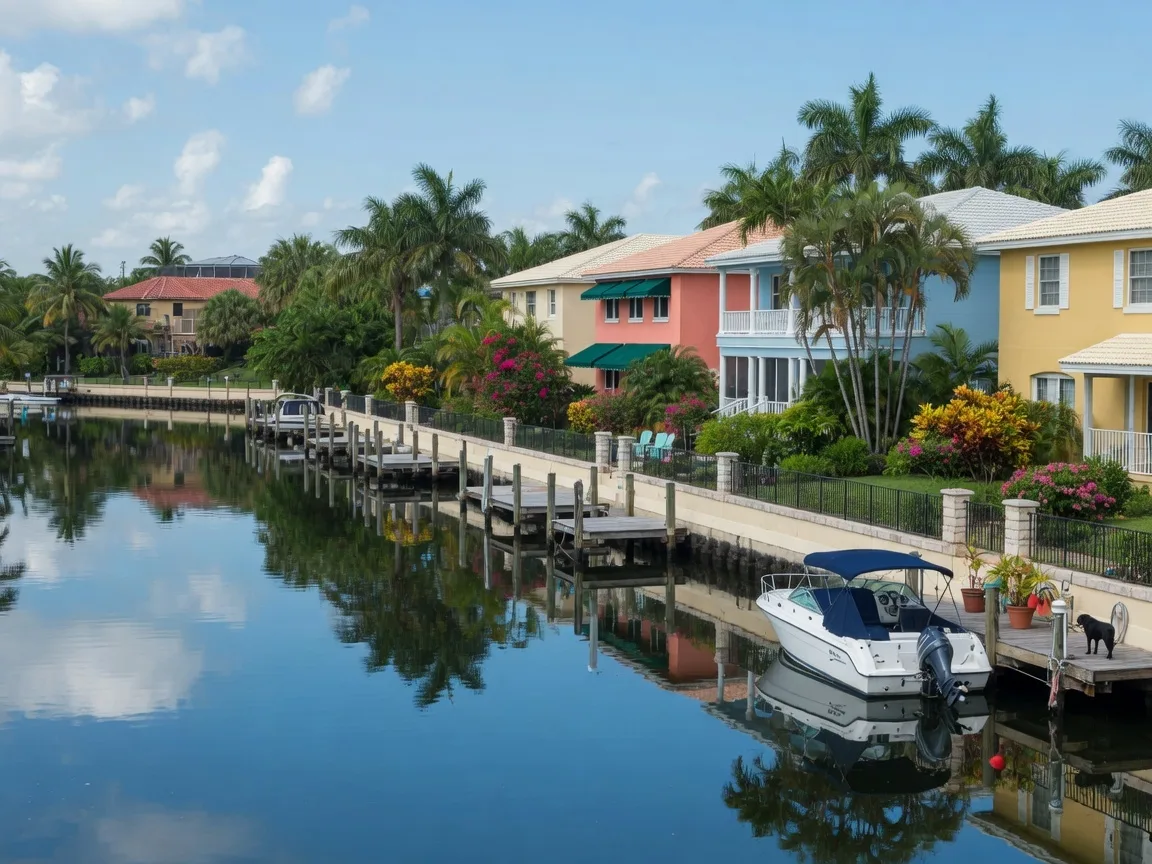
A waterfront home inspection in Palm Beach County goes far beyond the walls and roof of the house. The seawall, the dock, and your actual water access are major systems with real costs, and they should be inspected and verified before you make an offer, not after. Here is what to look for and the questions to ask as a waterfront buyer.
I'm Rhonda Townsend with 1st Real Estate Solution Inc., and I've spent years helping buyers and sellers of waterfront homes throughout Palm Beach County. Because I come from a boating background, I enjoy walking buyers through the practical details of docks, seawalls, canals, bridges, and water access that make waterfront properties either a joy or an expensive surprise. This guide covers what you should evaluate before you commit.
Waterfront living is a genuine lifestyle, and it is worth getting right. The more you understand about the water side of the property, the more confident you can feel about your decision.
Why Do Seawalls and Docks Matter Before You Make an Offer?
On a waterfront home, the seawall and dock are not extras. They are load-bearing pieces of the property that hold back the water, support boats, and protect the yard and foundation. If they fail, the costs can be significant and the disruption to your life considerable.
A seawall keeps the land in place and prevents erosion. A dock gives you access to the water for a boat, a kayak, or simply sitting by the water. Both are exposed to salt, sun, and moving water year round, which means they wear down over time. Knowing their condition before you buy helps you price the property realistically and plan for the future.
As a practical matter, I encourage buyers to treat the water-side systems as seriously as they treat the roof or the foundation. A few hundred dollars on a professional inspection can save you from a surprise that costs tens of thousands.
What Should a Marine Inspection Cover?
A general home inspection is important, but it does not typically cover marine structures. For a waterfront property, you want a licensed marine contractor or a surveyor with marine experience to inspect the water-side systems. Here is what a thorough marine inspection generally includes:
- Seawall condition: Cracking, voids behind the wall, failing tie-backs, and leaning or bowed panels.
- Dock and pilings: Rot, corrosion, loose or failing pilings, and the general soundness of the decking and framing.
- Boat lift and davits: Whether the lift operates, its capacity, and the condition of cables and hardware.
- Shore-power electrical: The wiring that brings power to the dock, which should be safe and up to code.
- Permit compliance: Whether the existing dock and seawall match what is on record and are properly authorized.
The inspector's job is to tell you what is sound, what needs repair, and what might need to be replaced. That report gives you the information you need to negotiate with confidence or to decide that a particular property is not the right fit.
How Do You Verify a Dock or Seawall Is Permitted?
In Florida, the Department of Environmental Protection regulates activity in, on, or over state waters, and it often requires an environmental resource permit or authorization for new structures. The good news is that many residential projects qualify for statutory exemptions, including single non-commercial private docks under a certain size and the repair or replacement of an existing dock in its original footprint.
Even when a project is exempt from one permit, it may still need a separate coastal construction permit or a local county or city permit. Because the state, the local government, and sometimes the federal government can each have jurisdiction, waterfront construction is not something to assume. Before you close, ask to see the recorded permits, exemptions, and any consent-of-use documents for the dock and seawall.
Your title company, closing attorney, and marine inspector can help you review what is on record. If a structure was built without the right approvals, that is an issue you want to know about before you take ownership.
What Does Water Access Really Mean?
Water access is more than having water behind the house. It depends on the depth of the water at low tide, the clearance under any bridges, the width of the canal or channel, and how the property connects to larger waterways. A home with stunning water views can still have limited boating access, and the reverse is also true.
Ask practical questions before you buy: Can the boat you own, or hope to own, reach the water? Is there a bridge on the route with a low clearance? How deep is the water at the dock at low tide? These details determine whether the property supports the way you want to use it. If you are not sure what to ask, tell me what you have in mind for the water and I can help you think through the right questions.
What About Insurance and Flood Zones?
Waterfront homes sit in flood zones, and flood insurance is a real cost of the lifestyle. You can look up the property's flood zone on the FEMA Flood Map Service Center, and your lender and insurance agent can tell you what coverage is required. Wind insurance and, for coastal properties, windstorm deductibles are also part of the picture.
My guide to flood zones and flood insurance in Palm Beach County walks through the details. The short version is that you want to understand the flood zone, the elevation of the home, and the insurance costs before you commit, not discover them at closing.
How Do You Put This All Together?
Buying a waterfront home is about more than the house itself, and that is part of what makes it rewarding. A good process looks like this:
- Define how you want to use the water so you know what to look for.
- Review flood zone and insurance before you get attached to a property.
- Hire a marine inspector to evaluate the seawall, dock, and lift.
- Verify permits with your title and closing team.
- Ask the right questions of the seller and their disclosures.
If you are weighing a waterfront purchase in Palm Beach County, I would love to help you evaluate properties and understand what you are really buying. You can reach me at (561) 236-9772 or rtownsendrealestate@gmail.com.
For more on living in a community known for its lakes and canals, explore the Lake Clarke Shores community guide.
Planning a Waterfront Move?
Waterfront homes come with a lot to evaluate. I can help you understand what to look for, what to ask, and what to verify before you make an offer.
Rhonda Townsend, REALTOR® · A.I. Certified Agent™ · 1st Real Estate Solution Inc.
(561) 236-9772 ·
rtownsendrealestate@gmail.com
Frequently Asked Questions
Sources
Sources referenced in this article:
- • Florida Department of Environmental Protection — Dock and Seawall Permitting
- • Florida Statutes Section 403.813 — Permit Exemptions
- • FEMA Flood Map Service Center — Flood Maps
- • National Oceanic and Atmospheric Administration (NOAA) — Tides and Coastal Data
Disclaimer: This article is provided for general educational and real estate information only. Water access, depth, bridge clearance, dockage, flood information, insurance requirements, and boating suitability vary by property and should be independently verified. Consult qualified professionals regarding your individual circumstances.