Key Takeaways
- Canal-front, lakefront, and Intracoastal homes each offer different water access, boating, maintenance, and insurance profiles in Palm Beach County.
- Intracoastal homes generally sit on deep, navigable, tidal water with direct ocean access, and they usually command a premium.
- Lakefront homes in places like Lake Clarke Shores sit on freshwater lakes that connect to the broader waterway system, often with private docks and seawalls.
- Whatever the water type, inspect the seawall, verify dock permits, check the flood zone, and confirm depth and access before you commit.
Waterfront homes in Palm Beach County generally fall into three buckets: canal front, lakefront, and Intracoastal. Canal-front homes sit on canals with water access that varies from saltwater tidal to freshwater; lakefront homes face lakes that can be connected boating water or simple community water features; and Intracoastal homes front the deep, tidal, navigable Intracoastal Waterway. Your best choice is the one that matches how you actually plan to use the water, your boat, and your budget.
I'm Rhonda Townsend with 1st Real Estate Solution Inc., and waterfront is one of my favorite parts of our market to work in. My own boating experience means I tend to ask the practical questions others skip: how deep is the water at low tide, what is the bridge clearance, is the canal tidal, and are the dock and seawall permitted. This guide lays out the three main waterfront home types in Palm Beach County so you can compare them on a level playing field.
If you are new to waterfront buying, my waterfront buyers guide covers the full due diligence checklist, and the waterfront homes hub brings together the resources, communities, and listings in one place.
What Are the Main Types of Waterfront Homes in Palm Beach County?
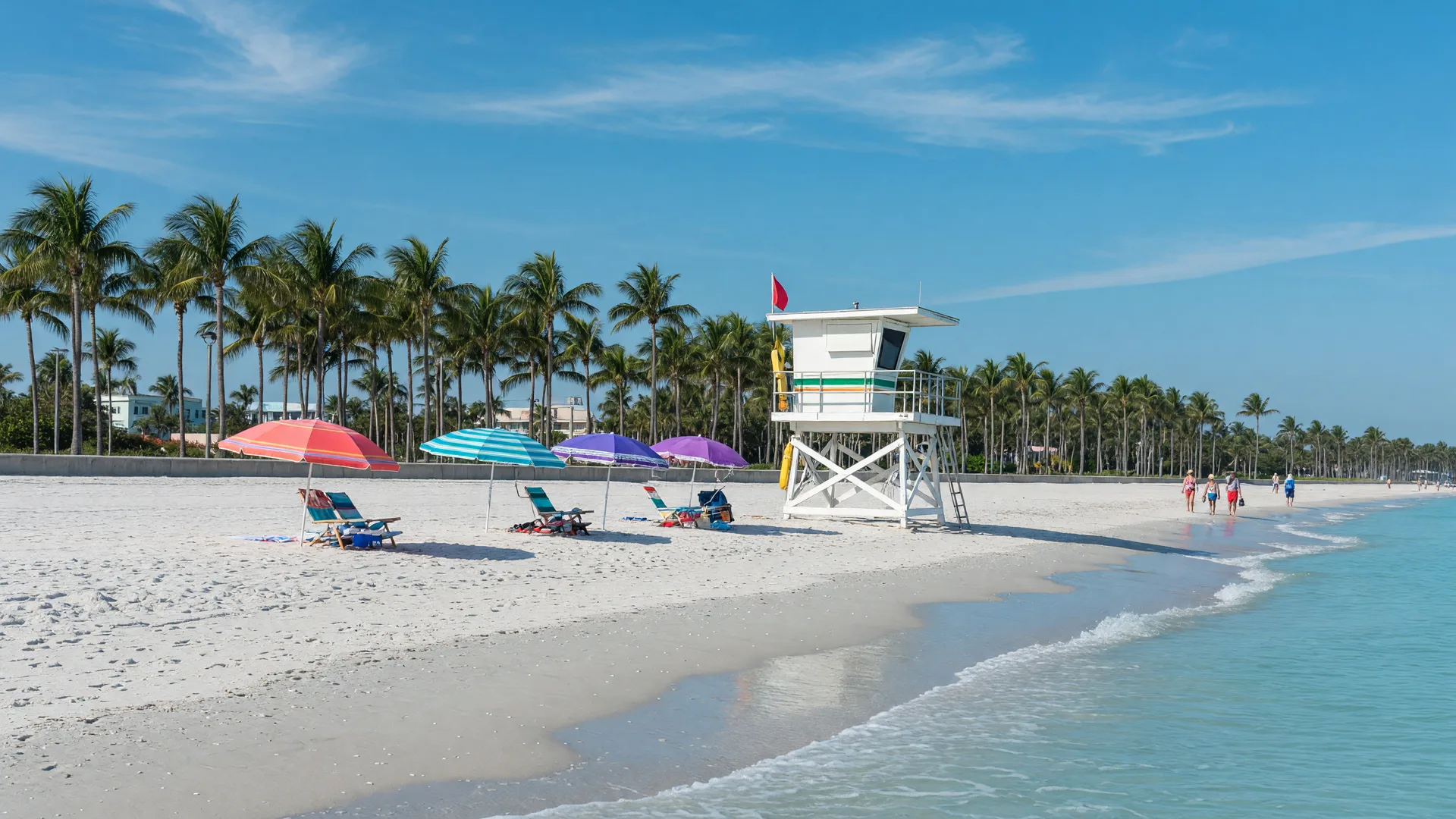
The county's coastline is only about 47 miles of Atlantic beach, but the water does not stop there. Canals, lakes, and the Intracoastal Waterway extend the waterfront deep into the county, from West Palm Beach down to Boca Raton and across communities like Lake Clarke Shores and Wellington.
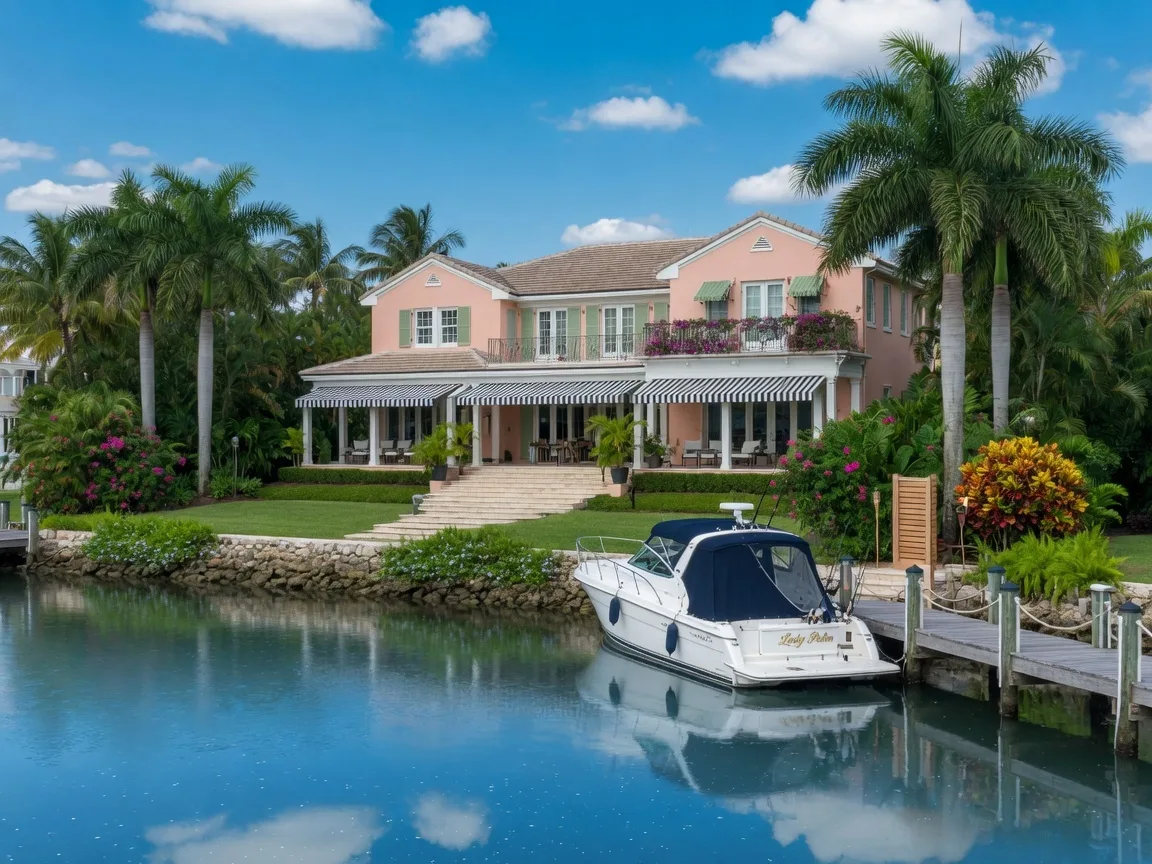
- Canal front: Homes along man-made or natural canals, in tidal saltwater areas or freshwater systems, with individual docks. This is the most common way to get a boat in the water with a home attached.
- Lakefront: Homes facing a lake. In some communities this is navigable, connected freshwater; in others it is scenic water with limited or no boating rights.
- Intracoastal: Homes directly on the Intracoastal Waterway, with deep water, tidal flow, and direct access to ocean inlets. These are typically the most expensive waterfront homes in the county.
What Is Life Like on a Canal-Front Home?
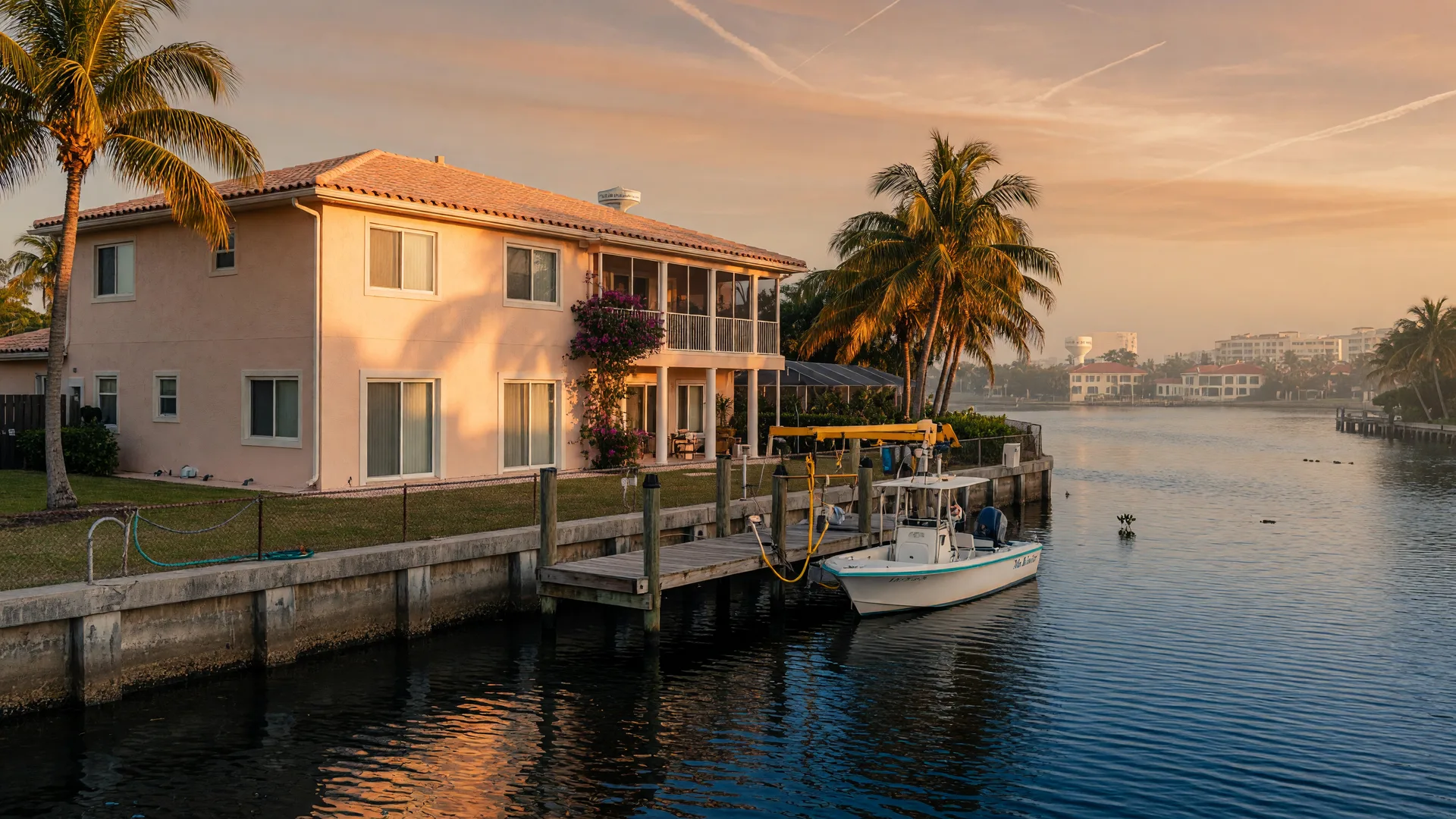
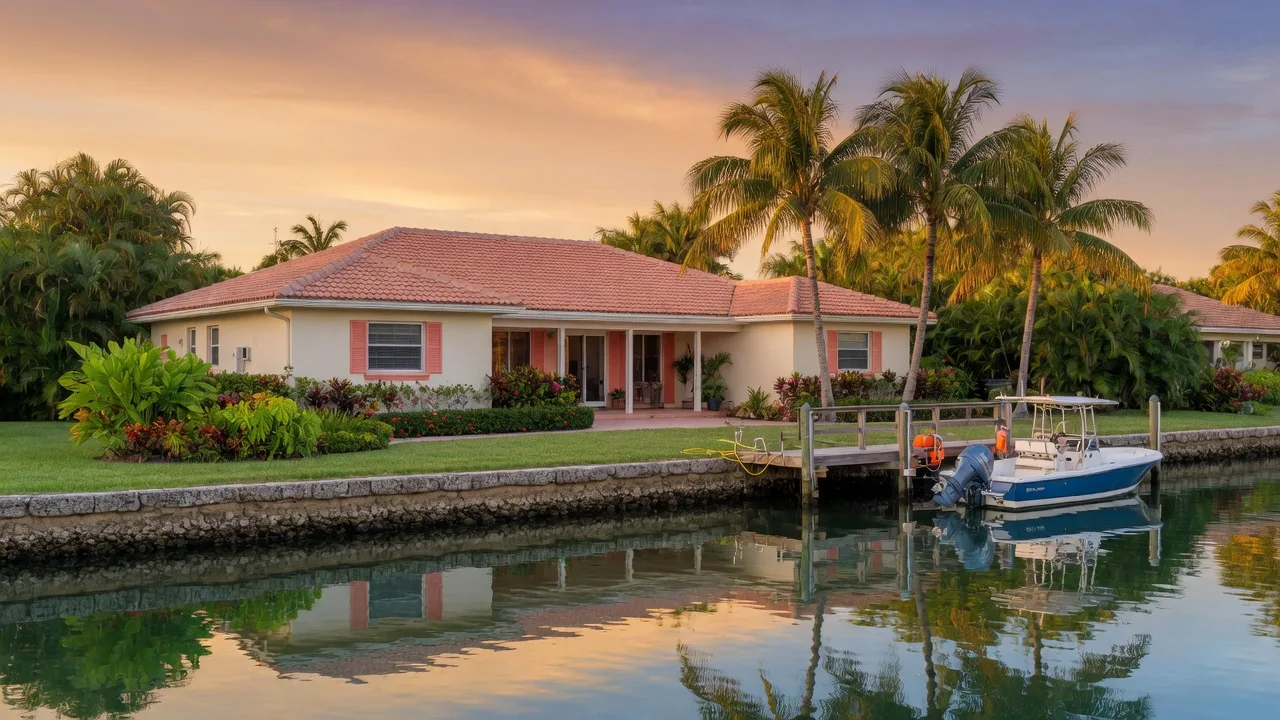
Canal-front living is about convenience. Your boat lives in your backyard, and most days you can be under way in minutes. Canals in Palm Beach County range from wide, deep, tidal saltwater canals in places like Boynton Beach and Singer Island to shallow freshwater canals in inland communities.
The trade-offs show up in the details. Width and depth vary, so your boat's draft and beam matter. No-wake zones keep the neighborhood calm but slow your trip to open water. Tidal canals rise and fall with the ocean, which matters for dock height and seawall exposure, while freshwater canals hold steadier levels. Seawalls need maintenance, and the cost to replace one is significant, so the age and condition of the seawall is a real negotiating point.
For a deeper dive on what to verify at the dock, my guide to seawalls, docks, and water access walks through marine inspections, permits, and the specific checks waterfront buyers should run.
What Should You Know About Lakefront Homes?
Lakefront homes fall into two very different categories, and the difference matters enormously.
The first is the connected freshwater lake systems. Lake Clarke Shores is the best local example: the town sits on a chain of freshwater lakes, including Lake Clarke, that connects to the Lake Worth Lagoon and the Intracoastal Waterway. That means real boating water, and many waterfront homes there have private docks and seawalls. The town also operates a public boat ramp. One practical note: connecting passages can depend on water levels and control structures, so buyers planning ocean trips should confirm current navigation from the lakes to the Intracoastal. The Town of Lake Clarke Shores website is the official source for waterfront rules, docks, and the boat ramp.
The second category is community lakes in developments across Wellington, West Palm Beach, and Royal Palm Beach. These are scenic, beautiful, and stable, but boating rights may be limited to non-motorized craft, or tied to the homeowners association, so read the governing documents before you assume the lake is your launching pad.
What Is Different About an Intracoastal Waterfront Home?
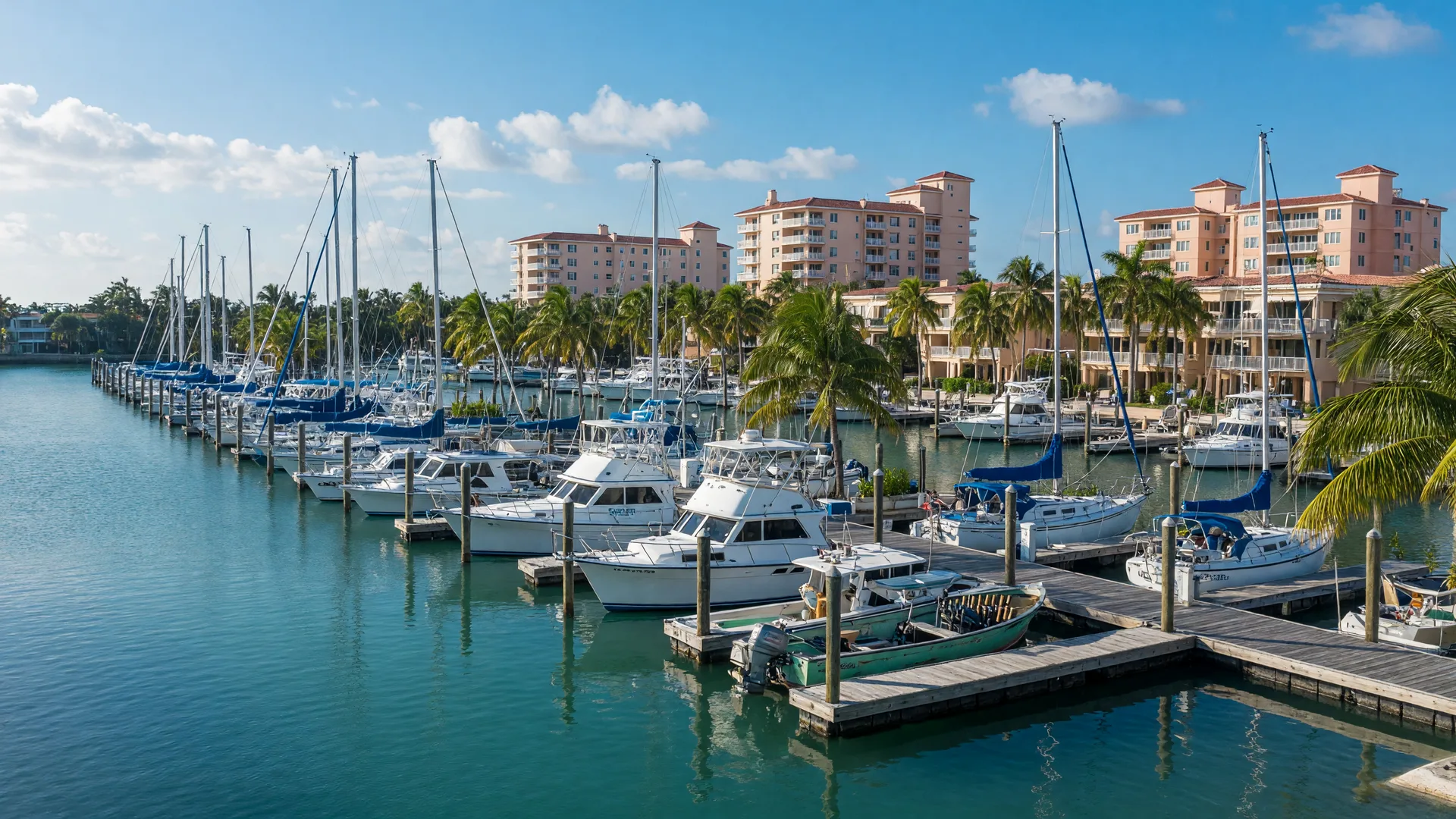
Intracoastal homes sit on the waterway itself, and the difference is mostly depth and access. The Intracoastal is dredged, marked, and navigable, so large boats, yachts, and sailboats with masts all travel it. Bridges control access by clearance and schedule, and the water is tidal, moving with the ocean through the inlets at Jupiter, Lake Worth, Boynton, and Boca.
That deep-water access commands a premium, and inventory is limited, so prices run higher per square foot than canal-front or lakefront homes. Insurance is also a real factor: tidal waterfront in a flood zone brings flood insurance requirements and higher wind policies. The NOAA tides and currents data is a good tool for understanding the tidal range in a specific stretch of the waterway.
Lifestyle is the flip side of that premium. Many Intracoastal owners run their boats to the ocean without trailering, fish the same water that flows past their dock, and watch the boat parade go by from their lanai. Bridge schedules and tide windows become part of the routine, and neighbors who boat tend to share a common vocabulary. If that sounds like your kind of weekend, the premium often pays for itself in how often you actually use the water.
How Do Docks, Seawalls, and Permits Differ?
The structures are where the real money lives on any waterfront property. A seawall protects the bank and your home; a dock, lift, and davits get your boat in and out of the water. All of it should be permitted, and permits do not always transfer cleanly with a sale.
- Check the seawall for cracks, tilting, rebar exposure, and signs of past settlement. Ask when it was built or last repaired.
- Verify the dock structure: pilings, decking, lift, and power. Rotting pilings and aging lifts are common repair targets.
- Confirm permits for the seawall, dock, and any filling or dredging. Unpermitted structures can be expensive to bring into compliance.
- Measure the water at low tide: depth at the dock and under the boat lift, and any bridge clearance between you and open water.
A marine surveyor is worth the fee on any home with significant waterfront structures. They will often catch what an everyday home inspection misses entirely.
How Do Flood Zones and Insurance Shape Your Choice?
Flood zones are assigned by elevation and proximity to water, and they vary from home to home even on the same street. The official way to check is the FEMA Flood Map Service Center, where you can pull the zone for an exact address. Homes in special flood hazard areas generally require flood insurance when financed, and premiums scale with elevation and zone.
Practice a simple mental test before you buy: imagine the water at your doorstep in a heavy storm. Canal-front and Intracoastal homes with tidal water and boat basins face different exposure than lakefront homes with controlled levels. Elevated homes, newer construction, and homes with flood vents and impact glass all change the calculation. It is one of the many reasons a local agent, a flood insurance quote, and a good look at the elevation certificate are worth having before you make an offer.
A useful habit is to call an insurance agent before you make an offer, not after. Give them the address and the property's flood zone, and ask for a ballpark premium on the structure and contents, plus what the wind policy will run. On a waterfront purchase that conversation can change your budget by thousands of dollars a year, and it is entirely free to have before you sign anything.
How Do You Decide Which Waterfront Home Is Right for You?
Start with your boat and your weekends. Ask yourself these questions, and the answer usually appears:
- What do you boat? A center console, a flats skiff, a cruising boat, or a kayak each need different depth and access.
- Where do you want to go? Ocean fishing means an Intracoastal or tidal canal close to an inlet; tubing on flat water suits a connected lake.
- How much maintenance do you want? Tidal water, salt air, and big structures cost more to maintain than a quiet freshwater lake.
- What is your budget for the home and the insurance? Premiums and flood coverage vary sharply by water type and elevation.
Once you know the water you want, the community follows. Lake Clarke Shores, West Palm Beach, Boynton Beach, and Jupiter all have waterfront streets with different personalities and price points. My Lake Clarke Shores community guide and the boating and marinas guide are good next stops.
And if the split that matters to you is fresh versus salt, my companion guide to freshwater and saltwater waterfront homes in Palm Beach County breaks down how the water itself changes everything from your boat and dock to your flood insurance.
If you would like help comparing waterfront homes, reach me at (561) 236-9772 or rtownsendrealestate@gmail.com. Tell me about your boat and your typical weekend, and we will build a search around the water you actually want to live on.
Planning a Waterfront Move?
Waterfront homes reward careful planning. Tell me what kind of water you want to live on and how you plan to use it, and we can compare properties, access, and timelines together.
Rhonda Townsend, REALTOR® · A.I. Certified Agent™ · 1st Real Estate Solution Inc.
(561) 236-9772 ·
rtownsendrealestate@gmail.com
Frequently Asked Questions
Sources
Sources referenced in this article:
- • Town of Lake Clarke Shores — Official Town Website: Waterfront, Docks, and Public Boat Ramp
- • FEMA Flood Map Service Center — Official Flood Zone Maps
- • National Oceanic and Atmospheric Administration — Tides and Water Levels
- • Florida Fish and Wildlife Conservation Commission — Boating and Waterway Information
Disclaimer: This article is provided for general educational and real estate information only. Water access, depth, bridge clearance, dockage, flood information, insurance requirements, and boating suitability vary by property and should be independently verified. Consult qualified professionals regarding your individual circumstances.