Key Takeaways
- The Closing Disclosure is a standardized five-page form that lists your final loan terms, interest rate, monthly payment, closing costs, and the total cash you need to close.
- Lenders must give you the Closing Disclosure at least three business days before your scheduled closing, giving you time to review and compare it against your Loan Estimate.
- The Closing Disclosure is the final version of the Loan Estimate, and you should compare the two line by line and question any fee that increased significantly.
- If a change makes your APR inaccurate, changes the loan product, or adds a prepayment penalty, you must receive a corrected Closing Disclosure at least three business days before closing again.
- Cash buyers do not receive a Closing Disclosure because there is no mortgage; they review the settlement statement and deed instead.
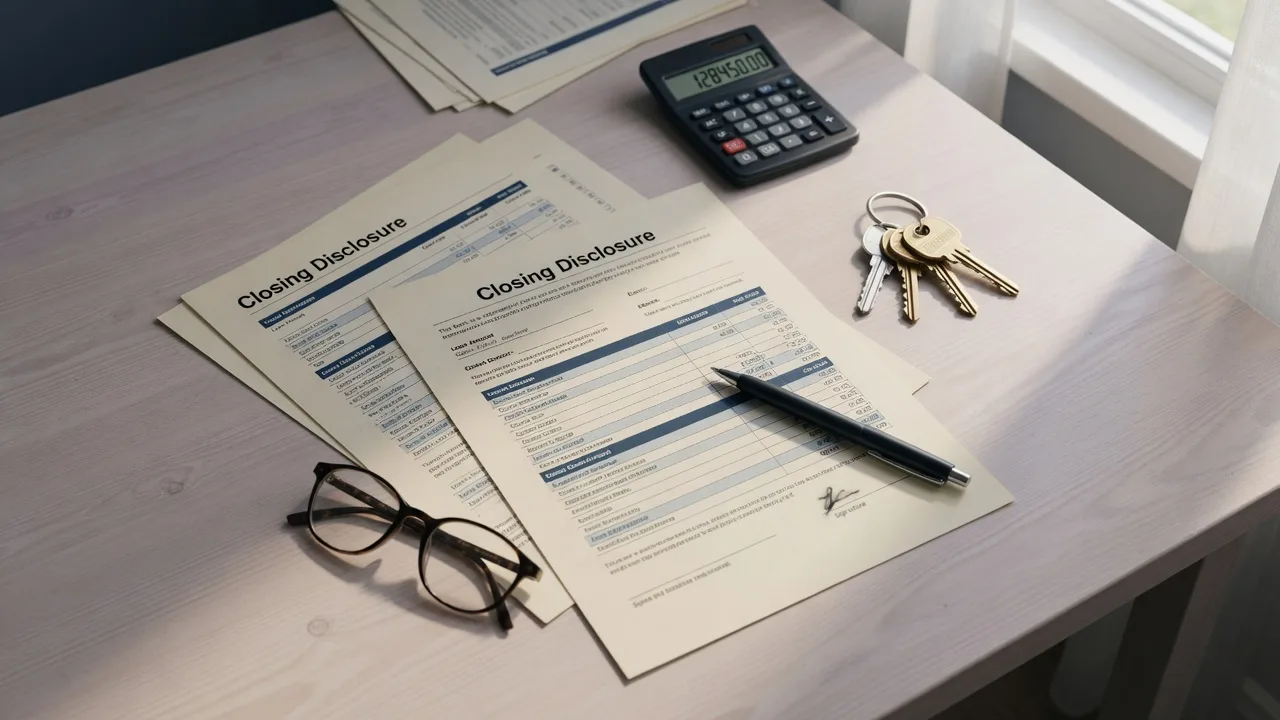
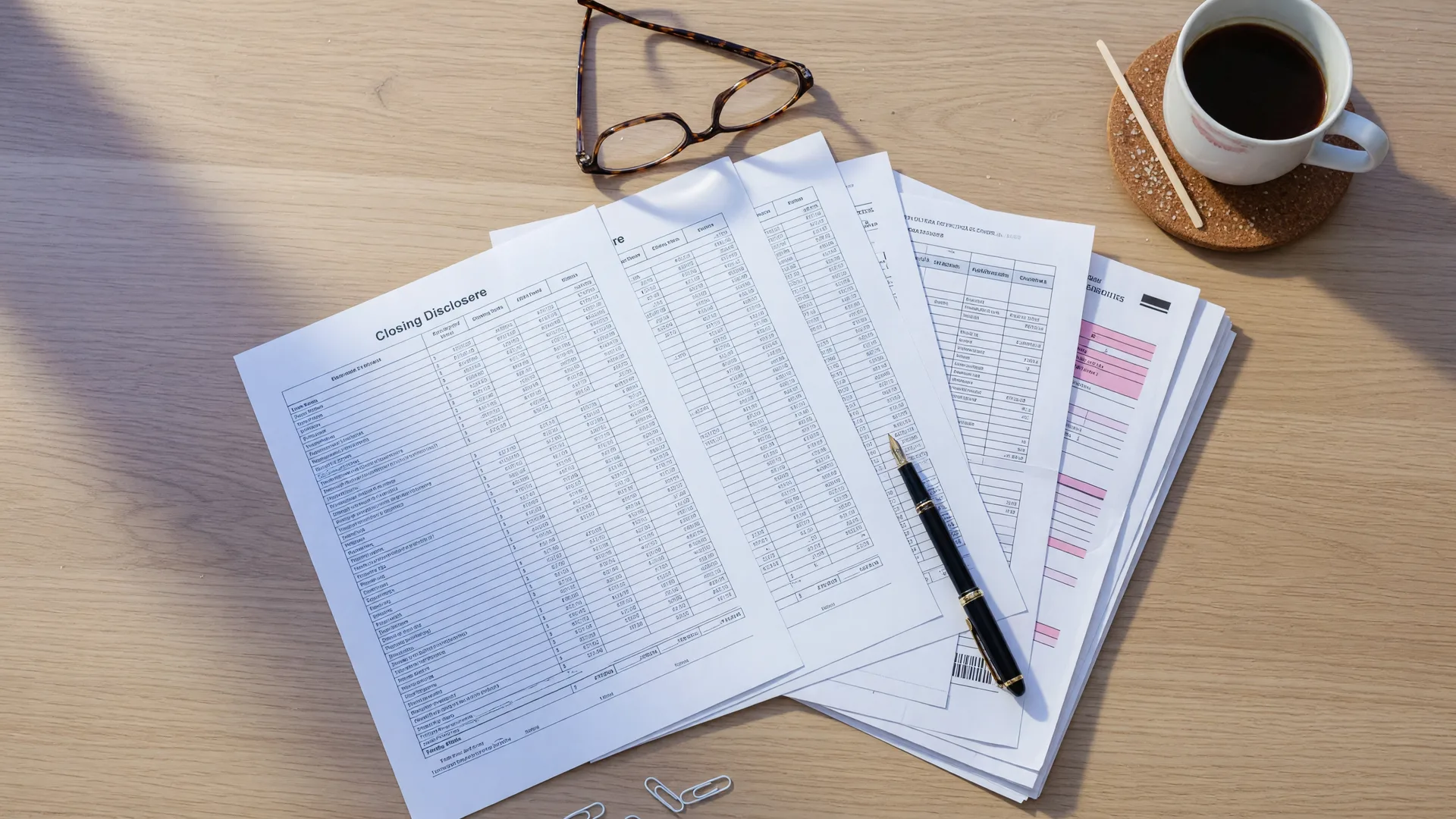
The Closing Disclosure is the standardized five-page form that lists your final mortgage terms, interest rate, monthly payment, closing costs, and the total cash you need to close on a home. It is the last major document you review before signing, and knowing how to read it protects you from surprises at the closing table.
I'm Rhonda Townsend, a REALTOR® with 1st Real Estate Solution Inc. who guides buyers and sellers through closings across West Palm Beach, Wellington, Lake Clarke Shores, and the rest of Palm Beach County. The Closing Disclosure is one of the documents buyers ask me about most, because it is dense and arrives fast. This guide walks through what it is, when you get it, and exactly what to check before you sign.
What Is the Closing Disclosure?
The Closing Disclosure is a federal form required for most home purchases financed with a mortgage. It summarizes the final terms of your loan, including the loan amount, interest rate, monthly principal and interest payment, and whether your payments can change over time. It also itemizes every closing cost, shows how much you are paying and receiving at closing, and calculates your total cash to close.
The Consumer Financial Protection Bureau (CFPB) explains the Closing Disclosure as the document that tells you the final details of your mortgage so you can spot problems before closing. Because it is standardized, every lender uses the same five-page layout, which means you can compare one lender's numbers to another's in a consistent way. It is not the same as the Loan Estimate you saw earlier; this is the final version of those numbers.
When Do You Receive the Closing Disclosure?
By law, your lender must provide the Closing Disclosure at least three business days before your scheduled closing. The three-business-day count does not include Sundays or federal holidays, so the real calendar window is often longer than three days. That timing is not random: it is designed to give you a chance to review the final numbers, compare them with your Loan Estimate, and ask questions before you commit.
The CFPB notes that you should receive the Closing Disclosure at least three business days before closing and that the clock resets if certain changes are made. Specifically, if a change makes the annual percentage rate (APR) inaccurate, changes the loan product, or adds a prepayment penalty, the lender must issue a corrected Closing Disclosure and you must receive it at least three business days before closing again. That is one reason closing dates can shift: the three-day review window is a legal requirement, not a formality.
How Do You Read the Closing Disclosure Page by Page?
The five pages each serve a purpose, and you do not need to be a mortgage expert to read them if you know what to look for on each one.
- Page 1, Loan terms: The loan amount, interest rate, monthly principal and interest, whether the payment can rise, whether there is a prepayment penalty, and the estimated property taxes and insurance. Verify the rate and payment match what you agreed to.
- Page 2, Closing cost detail: The itemized fees: lender charges, points, title services, recording fees, and taxes. This is where fee increases show up, so compare each line against your Loan Estimate.
- Page 3, Cash to close: The final summary of your cash to close, the down payment, seller credits, and the amount you must bring. Confirm this matches the wire or cashier's check figure your closing agent gave you.
- Pages 4 and 5, Loan disclosures and summaries: Additional loan information, including the APR, finance charge, total interest, and escrow details, plus a loan summary for record keeping.
The CFPB's Closing Disclosure explainer walks through each page with plain-language guidance and is worth reading alongside your actual document. The two numbers to focus on first are your interest rate and your cash to close, because those are the ones that most directly affect your budget.
Federal rules also divide closing costs into tolerance categories, and knowing them tells you which increases deserve a hard look. The lender's origination charge and points generally cannot increase at all from the Loan Estimate. Fees for services the lender requires but that you did not shop for, such as a required credit report, have a small allowed cushion of 10 percent. Fees for services you did shop for, like your chosen title company, can change to the actual cost. When a number jumps well beyond those limits, it is a reason to question the lender before you sign.
How Does the Closing Disclosure Compare to the Loan Estimate?
The Loan Estimate is the early, three-page estimate you receive within three business days of applying for a mortgage. It shows the expected rate, monthly payment, and estimated closing costs so you can shop and compare lenders. The Closing Disclosure is the final version of those same numbers, delivered just before closing. The CFPB describes the Loan Estimate as a tool for comparing offers rather than a commitment.
Your job between the two documents is simple: compare them line by line. Fees can shift slightly, and some are allowed to change, but a significant increase in a fee you thought was locked deserves a conversation with your lender before closing. Certain costs, such as the lender's origination charge and points, generally cannot increase from what your Loan Estimate showed. For a practical walkthrough of the whole prep process, my buyer's closing cost prep checklist pairs well with this guide.
What Should You Do If Something Looks Wrong?
The first rule is to review the document before closing day, not at it. When the Closing Disclosure arrives, set aside time to read it with your Loan Estimate side by side. If a fee increased, the interest rate changed, or the cash to close does not match what you expected, contact your lender and your closing agent immediately. Most discrepancies are fixable, but they are far easier to resolve before the three-day window or the closing appointment.
Ask your agent to help you read the document. I walk my buyers through the Closing Disclosure line by line, and I flag anything that changed from the Loan Estimate so nothing is a surprise at the table. When a figure does not match, the fastest path is a short list of questions to your lender:
- Why did this fee change, and what specifically caused it? A clear explanation of a changed origination charge or points is your right to ask for.
- Is this final or could it change again before closing? Confirm no corrected Closing Disclosure is coming, because a re-issue resets the three-day window.
- Does my cash to close include every prepaid and escrow item? Prepaid interest, taxes, and homeowners insurance are common sources of last-minute differences.
- Do the wiring instructions match the escrow or closing agent's official notice? Verify this separately, never by trusting a document emailed at the last minute.
If you are also reviewing your overall closing day plan, my closing day walkthrough covers the final steps, and the site's closing checklist brings the buyer and seller tasks together in one place.
What About Cash Buyers and Sellers?
Cash buyers do not receive a Closing Disclosure, because there is no mortgage. Instead, cash transactions use a settlement statement that itemizes the purchase price, title fees, recording costs, and any prorated taxes and credits. The same review discipline applies: verify the numbers before you sign and confirm the exact amount and wiring instructions with your closing agent.
Sellers receive a seller-side version of the closing statement that shows the sale price, closing costs they pay, and their net proceeds. Sellers should review it for prorated taxes, HOA payoffs, title fees, and any credits they agreed to, because those items directly affect the check they receive. If you are buying and selling at the same time, reviewing both statements together is essential, and my sell and buy coordination checklist can help you plan both closings.
If you are in contract on a home in Palm Beach County and want a second set of eyes on your Closing Disclosure, or if you are planning a purchase and want to understand the costs before you make an offer, call me at (561) 236-9772 or email rtownsendrealestate@gmail.com. I can help you review the numbers and walk into closing with confidence.
Have Questions About Your Closing?
Your Closing Disclosure is the final map of your transaction, and it is worth reviewing carefully. I help Palm Beach County buyers understand every line before they sign, and I can walk you through what to expect from the Loan Estimate to closing day.
Rhonda Townsend, REALTOR® · A.I. Certified Agent™ · 1st Real Estate Solution Inc.
(561) 236-9772 ·
rtownsendrealestate@gmail.com
Frequently Asked Questions
Sources
Sources referenced in this article:
- • Consumer Financial Protection Bureau — What Is a Closing Disclosure?
- • Consumer Financial Protection Bureau — When Do I Get a Closing Disclosure?
- • Consumer Financial Protection Bureau — Closing Disclosure Explainer
- • Consumer Financial Protection Bureau — What Is a Loan Estimate?
Disclaimer: This article is provided for general educational and real estate information only. It is not legal, tax, financial, insurance, environmental, engineering, or property-inspection advice. Real estate requirements, costs, risks, policies, and market conditions vary by property and may change. Consult qualified professionals regarding your individual circumstances.