Key Takeaways
- A home search checklist prevents decision fatigue: separate hard requirements from nice-to-haves, and let the list, not adrenaline, drive your comparisons.
- Build the checklist in four columns: budget, location, property features, and ongoing costs, so no surprise like flood insurance or HOA dues appears after the offer.
- In Palm Beach County, location items include flood zone, commute times, association rules, and insurance availability, each of which can be verified before you tour.
- Keep the must-have list short, ideally well under ten items, so you stay open to the homes that genuinely fit instead of ruling them out on details you can change.
A home search checklist in Palm Beach County is a working document in four columns: budget, location, property features, and ongoing costs. You separate hard requirements from nice-to-haves, verify the location facts that actually vary here, such as flood zone, commute, and association rules, and you use the finished list to compare every home you tour against the same yardstick. Done well, it shortens your search and prevents the two most common buyer regrets: overspending on a detail you never needed and missing a recurring cost you never noticed.
I'm Rhonda Townsend with 1st Real Estate Solution Inc., and every purchase I work on starts with one of these lists. Buyers who have it written down tour smarter, compare homes honestly, and recognize the right fit faster than buyers carrying everything in their heads. Here is how to build yours.
Why Build a Home Search Checklist First?
Touring homes is emotional, and that is the point of the list. A written checklist gives you a neutral scorecard so a beautiful kitchen does not talk you past a missing third bedroom or a commute you hate. It also makes the search dramatically more efficient: when you can rule a home in or out in seconds on the must-haves, you spend your weekends on the handful of properties that genuinely fit.
The list evolves, and that is fine. Most buyers revise it twice: once after the first few tours, when they learn what they really use, and again after the budget conversation, when they see what their monthly payment will support.
Start With Two Columns: Must-Haves and Nice-to-Haves
Before you build the four sections below, separate every feature into two columns. Must-haves are the items you will not compromise on: the bedroom count your household needs, a garage or parking you require, a maximum commute you can sustain, the price ceiling. Nice-to-haves are upgradeable or flexible: a pool, a gourmet kitchen, a bigger lot, a water view.
The discipline matters. If everything is a must-have, you will wait months for a home that does not exist. If nothing is, every tour looks the same. A good rule of thumb from the searches I run: keep the must-have column to a single page, ideally under ten items, and let the nice-to-have column carry the wish-list energy.
Most buyers refine the list exactly once, after the first round of tours, when they discover which nice-to-haves they actually miss in person and which must-haves they can relax. That single revision usually shortens the rest of the search dramatically, because the list finally matches reality instead of a first draft of it.
How Do You Set the Budget Side of the Checklist?
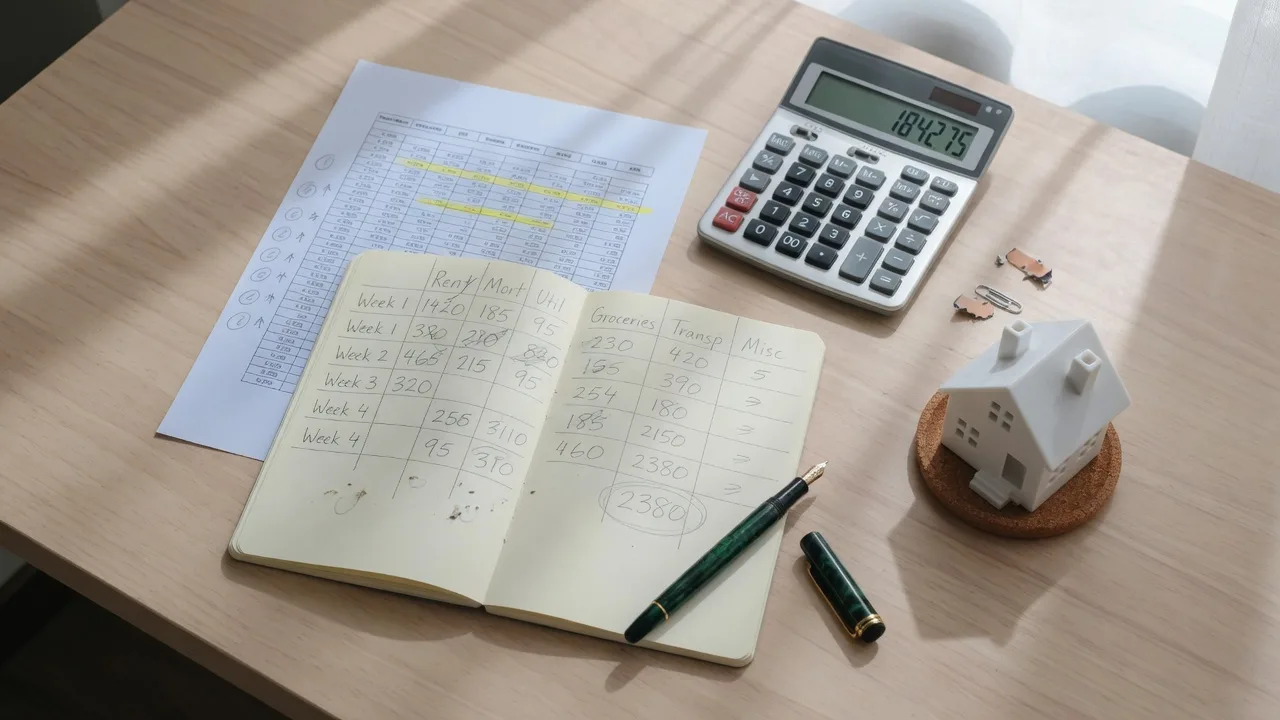
The budget column is about monthly reality, not just price. Start with what a lender says you can borrow, which takes a pre-approval, then build the full monthly picture: principal and interest, property taxes, homeowners insurance, flood insurance if the property needs it, HOA or condo dues, and utilities. My article on how much home you can afford in Palm Beach County runs through the math, and the mortgage calculator on this site gives you a quick monthly estimate for any price point.
Two Palm Beach County specifics belong in this column before you tour, because they vary block to block: insurance and taxes. Wind and flood coverage costs differ dramatically between an Intracoastal condo and a rural acreage lot, and the Lake Clarke Shores canal home you fall in love with may carry flood premiums the Wellington home does not. Your agent and insurance agent can quantify these for any address in minutes.
What Should the Location Section Cover?
Location is the section with the most Palm Beach County texture, and it is the one buyers most often skip. Write down the commute in minutes, not miles: drive time to work, to the airport, and to the places you visit weekly. Note which community you are considering and what you are verifying about it, and remember that "community" describes objective features, so compare things like lot size, park access, canal frontage, and distances rather than impressions.
Then add the verifiable facts: the FEMA flood zone for each address (look it up at the FEMA Flood Map Service Center or ask me to pull it), whether the property is inside an HOA and what the dues and rules are, and the parcel details from the Palm Beach County Property Appraiser. For schools, verify assignments on the official school district sites rather than relying on hearsay, since boundaries change. My flood zone and insurance guide and my HOA fees guide go deeper on both.
If you are choosing between communities entirely, start with the county's neighborhood guides: all Palm Beach County communities are covered, from West Palm Beach downtown living to Royal Palm Beach parks and value.
Which Property Features Earn a Spot on the List?
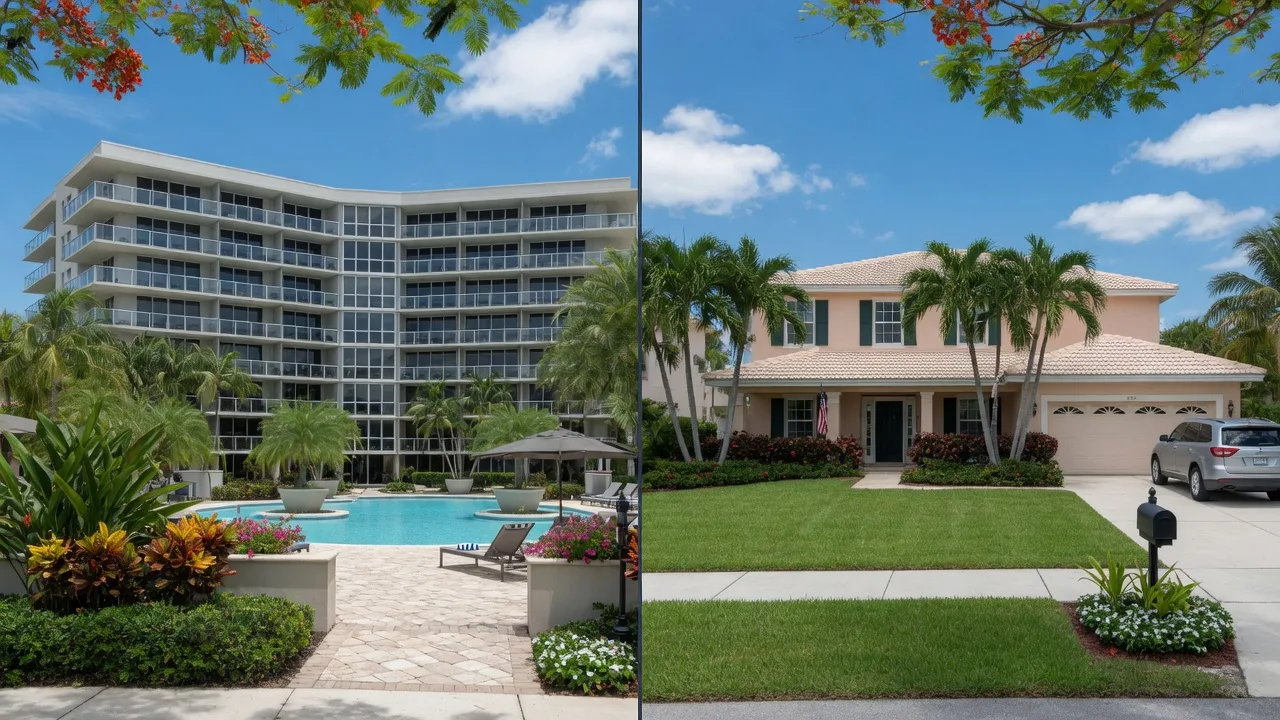
The property column is the shortest section, on purpose. Typical Palm Beach County must-haves include the number of bedrooms and bathrooms, a single-story layout for downsizing or accessibility, a garage, a pool, water access, or a specific lot size. Condition items belong here too: whether you are willing to take on renovation, or whether move-in ready is a requirement, which my article on new construction versus existing homes can help you think through.
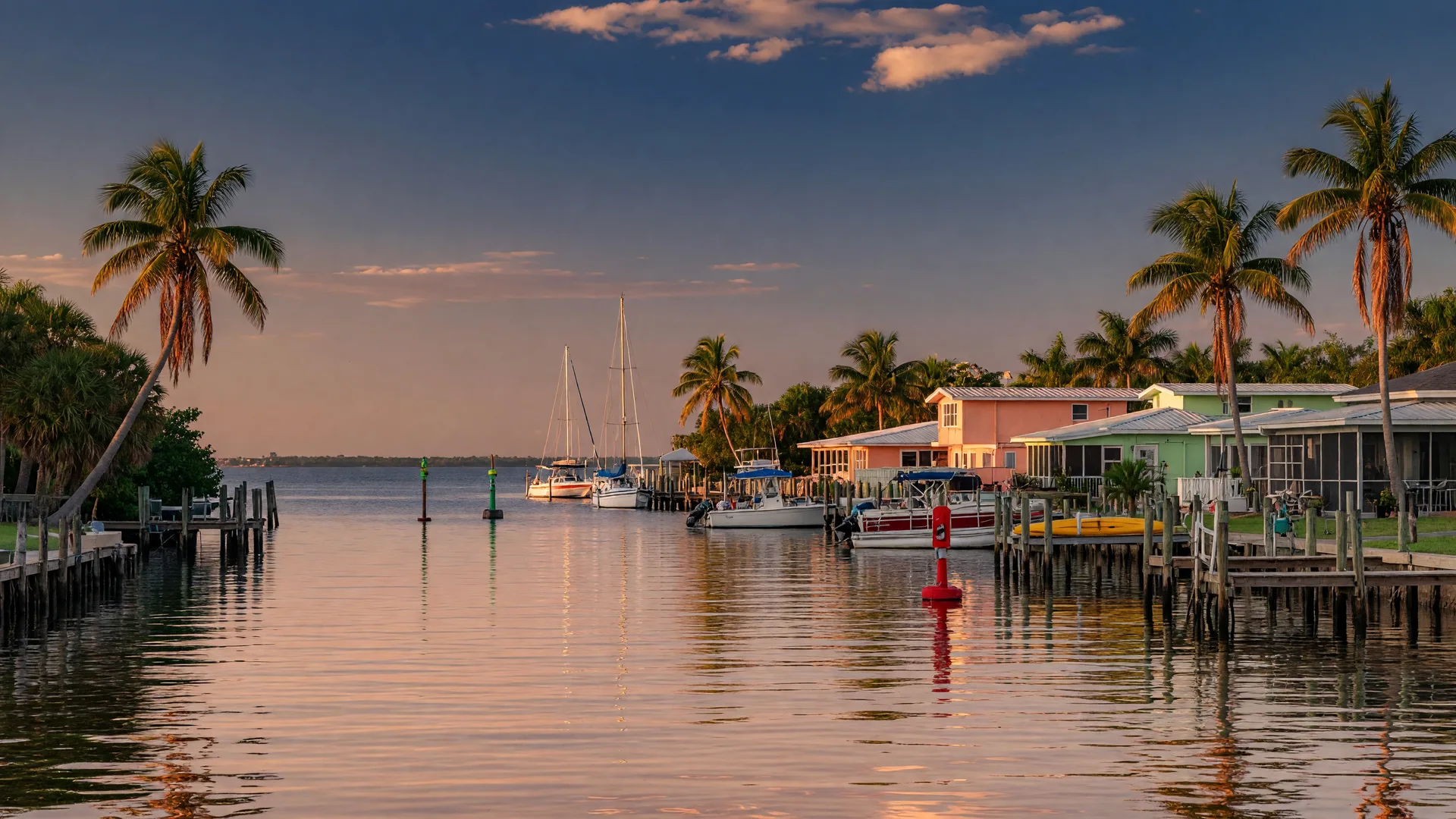
For waterfront buyers, add the water questions that matter on every property: canal, lake, or Intracoastal frontage, dock and seawall condition, water depth, and any permits. My canal, lakefront, or Intracoastal comparison is a useful read before you write those lines.
Which Ongoing Costs Belong on the Checklist?
The final column is the one that separates a confident buyer from a surprised one: ongoing costs. List the property taxes for each candidate, the homeowners insurance quote, the flood insurance quote if the address is in a flood zone, the HOA or condo dues and what they cover, and any recurring costs specific to the property, such as waterfront maintenance or a private road. Most of these are available before you tour, and none of them should wait until closing week.
Condo and villa buyers should also note the assessment history and reserves in this column, because Florida condo association funding rules changed recently and well-funded associations matter more than ever. My guide to downsizing into a condo or villa covers what to review in the association documents.
How Do You Actually Score a Home on Tour?
Bring a printed or phone copy of the checklist to every tour, and score each home simply: check off the must-haves, note which nice-to-haves are present, and write down the two or three questions you still need answered. A 1 to 5 rating per column keeps it honest: budget (does the full monthly picture work), location (commute and flood zone verified), property (must-haves met), and costs (the four ongoing costs quantified).
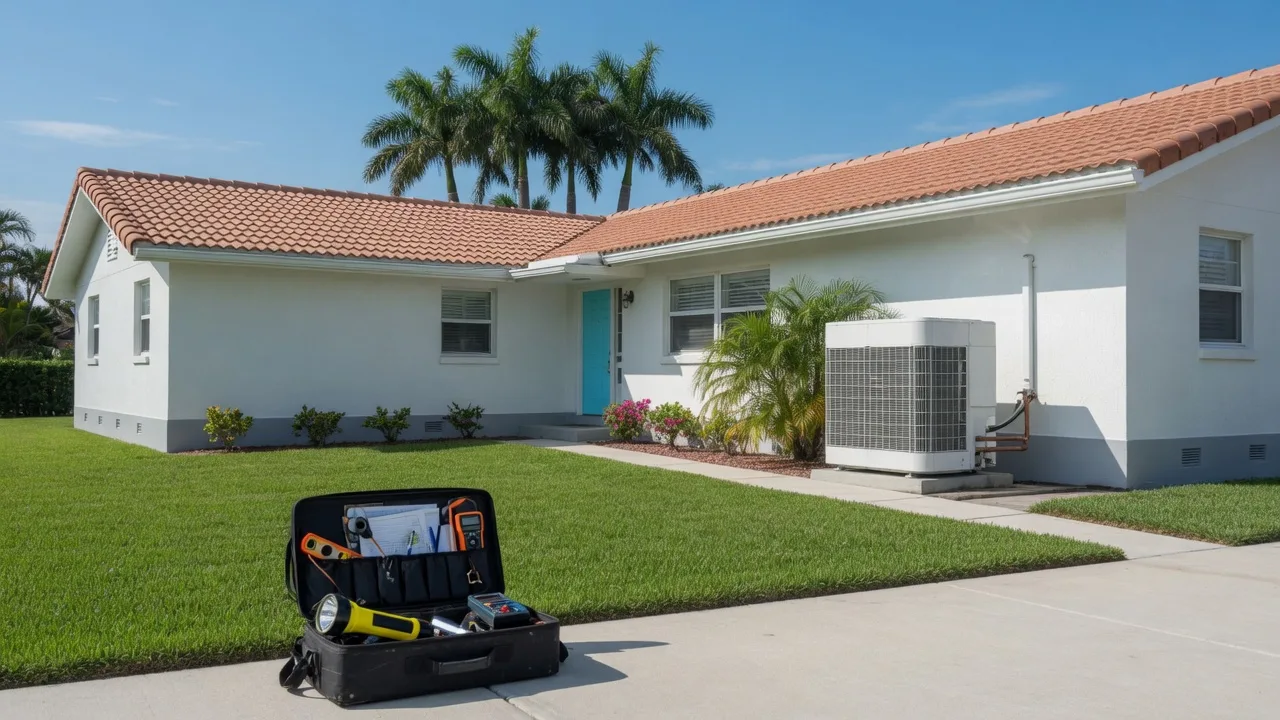
Then walk the property with the checklist in hand rather than in your head. Count the bedrooms and bathrooms, open the closets, look at the age of the roof and AC, note whether the yard drains away from the house, and ask about the things you cannot verify on the spot, such as the association's reserves or the flood claims history on a waterfront property. My article on buying a home with a pool is a good example of the property-specific checklist you can build on top of the main one, and my home showing walkthrough checklist covers what to check in every room, outside, and in the yard.
Compare the scores before the drive home is over, while the details are fresh. If two homes tie, the decision usually comes down to the nice-to-have column and which one offers the upgrade path you actually want. Do not be shy about touring a finalist twice, either. The most confident buyers I work with visit the final two homes twice, once to feel them out and once to run the checklist.
When Do You Turn the Checklist Into an Offer?
When a home clears all four columns, that is your signal. The price fits the budget column, the location facts are verified, the must-haves are met, and the ongoing costs work in your monthly picture. At that point your agent writes an offer with the right contingencies, and the checklist becomes the due diligence list for the contract period: inspections, appraisal, flood and insurance confirmation, and association documents.
The full path from list to closing is in my Palm Beach County buying guide, and a realistic sense of how long each stage takes is in my article on how long it takes to buy a home in Palm Beach County.
Building the list takes an hour, and it pays off in every tour after it. If you would like help turning your priorities into a working checklist, or you want to start comparing homes against it, call me at (561) 236-9772 or email me at rtownsend@remax.net. Bring your wish list, and we will build the columns together, no pressure.
Ready to Build Your Home Search Checklist?
The best tours start with a list that reflects your real life. Tell me your budget, your commute, and the features that matter, and I will help you build a working checklist, then line up showings against it across Palm Beach County.
Rhonda Townsend, REALTOR® · A.I. Certified Agent™ · 1st Real Estate Solution Inc.
(561) 236-9772 ·
rtownsendrealestate@gmail.com
Frequently Asked Questions
Sources
Sources referenced in this article:
- • FEMA Flood Map Service Center — Look up an address to see its flood zone
- • Palm Beach County Property Appraiser — Parcel records, exemptions, and property details
- • Florida Realtors — Florida Realtors: buyer resources and the Florida contract
Disclaimer: This article is provided for general educational and real estate information only. It is not legal, tax, financial, insurance, environmental, engineering, or property-inspection advice. Real estate requirements, costs, risks, policies, and market conditions vary by property and may change. Consult qualified professionals regarding your individual circumstances.