Key Takeaways
- A home appraisal is an independent estimate of market value ordered by the buyer's lender, and it confirms the home is worth the amount being financed.
- Appraisers weigh size, condition, upgrades, lot, and recent comparable sales, so a clean, well-maintained home with documented improvements appraises more predictably.
- Sellers can prepare by finishing minor repairs, providing a list of improvements, and sharing relevant comparable sales with the appraiser.
- If the appraisal comes in low, sellers have options including a reconsideration of value with supporting comps, negotiating, or meeting in the middle.
A home appraisal is an independent estimate of market value ordered by the buyer's lender, and it confirms that the home is worth the amount being financed. For sellers in Palm Beach County, the appraisal is the last big checkpoint before closing, and a little preparation can make the difference between a smooth approval and a renegotiation. This guide explains what appraisers evaluate, how to get your home ready, and what to do if the value comes in low.
I'm Rhonda Townsend, a REALTOR® with 1st Real Estate Solution Inc. who has guided sellers through Wellington, West Palm Beach, Lake Clarke Shores, and communities across the county. Appraisals come up in nearly every financed sale, and sellers who understand the process tend to feel far more in control when the report lands. Here is what you need to know.
What Is a Home Appraisal and Who Orders It?
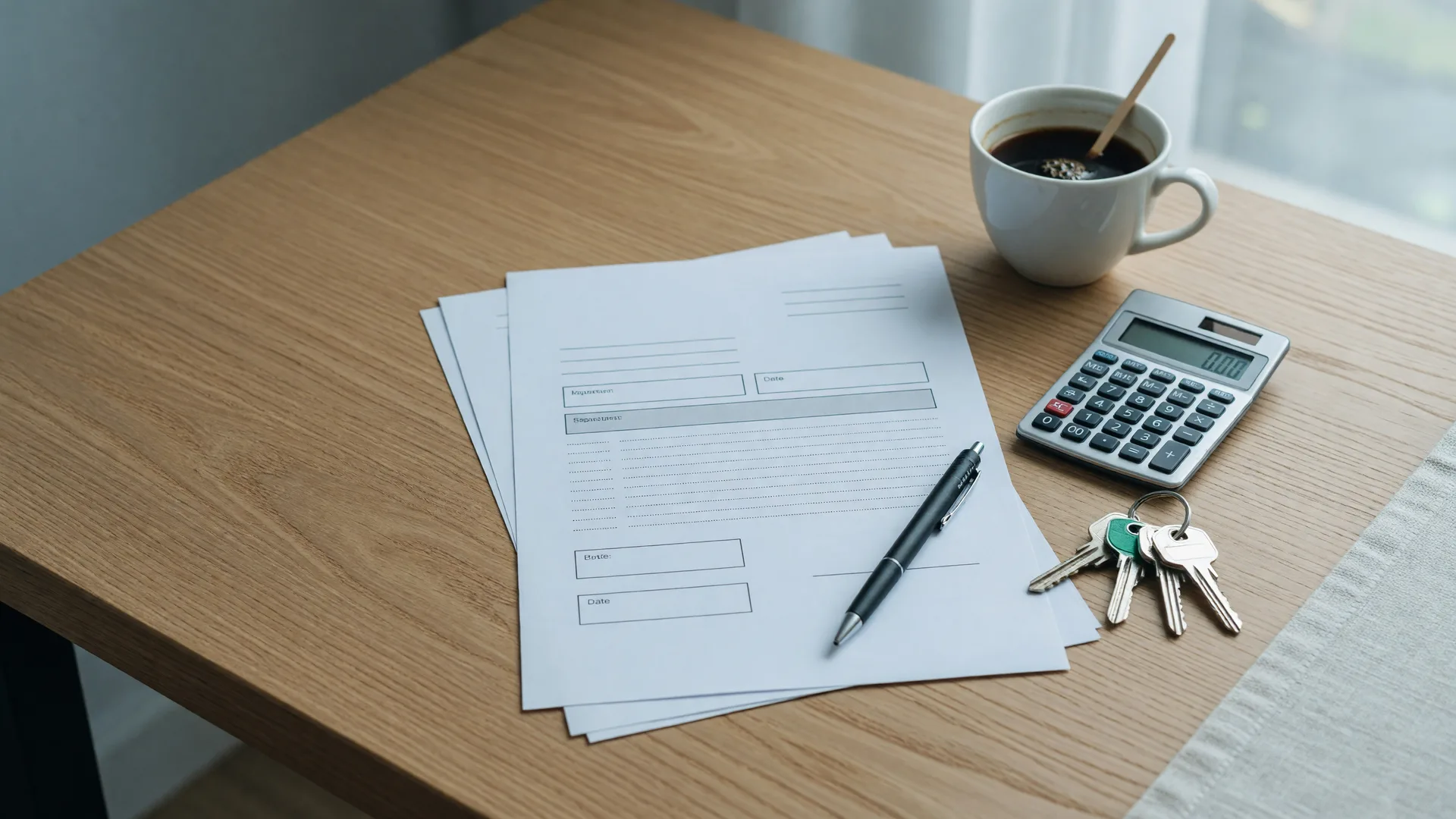
An appraisal is a professional, independent opinion of a home's market value prepared by a licensed or certified appraiser. In a typical sale, the buyer's lender orders the appraisal after the contract is signed and the loan application moves forward. The lender uses the appraised value to decide how much it will lend, because the mortgage is secured by the home, and the lender wants to know the collateral is worth the loan.
The buyer usually pays for the appraisal, and the fee shows up in the buyer's closing costs. The appraiser is supposed to be objective: they are not working for you, the buyer, or the lender's sales team, and their report must follow professional standards. That independence is exactly why the appraisal can feel like a wild card, and it is also why preparation matters more than persuasion.
What Does an Appraiser Look At?
Appraisers determine value primarily by comparing your home to recently sold, similar homes in the area, called comparables or comps. They typically look at at least three comparable sales, then adjust for differences in size, condition, features, and location. Alongside the comps, they evaluate the property itself, and the physical inspection carries real weight.
- Size and layout: Usable living square footage, number of bedrooms and bathrooms, and the overall floor plan.
- Lot and location: Lot size, water or preserve views, street position, and the surrounding market area.
- Structural condition: Roof, foundation, exterior walls, and any signs of leaks, cracks, or damage.
- Interior quality: Fixtures, finishes, lighting, plumbing, HVAC, and appliances, plus overall upkeep.
- Exterior features: Landscaping, driveway and walkways, garage, pool, patio, and screened lanai.
- Improvements: Additions, renovations, and upgrades that raise the home above typical condition.
The appraiser also photographs the home, measures the interior, and notes anything broken or in disrepair. Small flaws rarely change a value on their own, but a pattern of deferred maintenance can push a home toward the lower end of its comparable range, while a well-kept home with visible updates supports the higher end.
How Can Sellers Prepare for the Appraisal?
You cannot choose the appraiser or dictate the value, but you can make sure the appraiser sees the home at its best and has the evidence to support the price. Preparation falls into four buckets:
- Fix the small stuff. Touch up scuffed paint, repair chipped tiles, replace burned-out bulbs, fix squeaky doors, and address any visible leaks or malfunctioning fixtures. A home that looks maintained appraises as maintained.
- Clean and declutter. The home should look the way it does for showings: tidy, light, and open. Deep-clean kitchens and baths, and clear clutter from counters, closets, and the garage.
- Document improvements. Put together a one-page list of upgrades with approximate dates and costs: new roof, impact windows, renovated kitchen, new AC, pool resurfacing, and any permitted additions. Receipts and permit records make the list credible.
- Share relevant comps. Your listing agent can prepare a short list of comparable sales that support the price, especially sales the appraiser might not find easily, such as nearby waterfront or equestrian properties with similar features.
Access matters too. The appraiser needs to see the interior, exterior, and often the attic, garage, and any outbuildings. Make sure pets are secured, gates are unlocked, and someone can let the appraiser in on schedule. A home that is hard to access can delay the appraisal and push your closing date.
What Should You Do the Week of the Appraisal?
Treat appraisal day like the most important showing of your sale, because in many ways it is. The buyer's financing depends on it. A simple week-of checklist:
- Confirm the appointment with your agent and make sure the home will be accessible at the scheduled time.
- Do a final tidy pass through every room, including the garage, laundry area, and outdoor spaces.
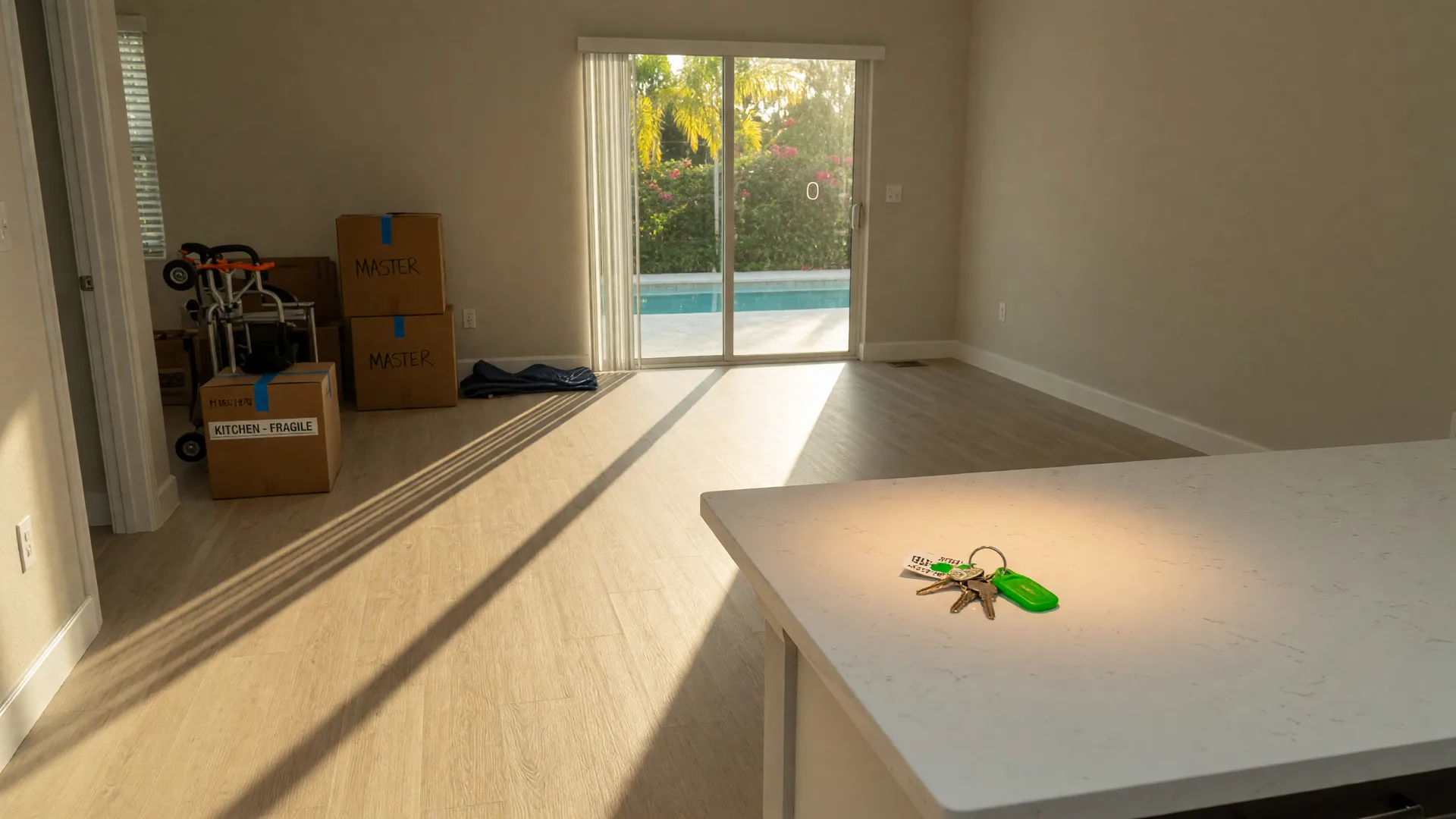
- Place your improvement list and comps folder on the kitchen counter where the appraiser will see it.
- Make sure utilities are on and the home is at a normal temperature, since the appraiser will note working systems.
- Keep it calm. You do not need to follow the appraiser around or argue about value. A brief, friendly greeting and a clear path through the home is all that is needed.
One thing to avoid: over-improving right before the appraisal. Major renovations started a week before the inspection rarely add value to the report, and half-finished projects can read as incomplete work. The goal is to present the home's true, finished condition, not to race through changes.
What If the Appraisal Comes in Low?
A low appraisal does not automatically kill a sale, and it is more common than many sellers expect, especially in a market where prices have moved quickly. When the appraised value comes in below the contract price, the buyer's lender will only finance up to the appraised value, leaving a gap. From there, the parties typically choose one of these paths:
- Request a reconsideration of value. Your agent can submit additional comparable sales, corrected data, or documentation of upgrades the appraiser may have missed. This is the most common first step, and it succeeds when the comps genuinely support a higher value.
- Negotiate the price. The seller can agree to a lower price, the buyer can pay the difference in cash, or both sides can meet in the middle.
- Split the difference. A shared gap is a frequent compromise: the seller reduces the price partway and the buyer brings additional funds to closing.
- Cancel under the appraisal contingency. If the contract includes an appraisal contingency and no agreement is reached, the buyer can typically terminate and recover their earnest money.
The key is to act quickly and with evidence. A reconsideration of value has the best chance when the comps are recent, similar, and clearly documented, which is exactly why your agent should be ready with a comp packet from day one. Freddie Mac's guidance for homeowners walks through the appraisal process in plain language, and it is a useful read before your appointment: what homeowners need to know about home appraisals.
How Is an Appraisal Different From a CMA or a Tax Assessment?
Sellers often hear three different numbers during a sale, and it helps to keep them straight. A comparative market analysis (CMA) is your agent's estimate of value based on comparable sales and current market activity; it is a pricing tool, not a formal valuation. A tax assessment comes from the Palm Beach County Property Appraiser's Office and is used to calculate property taxes, following its own schedule and methodology that often lags the market. The lender-ordered appraisal is the independent valuation that governs financing, and it is the number that can move your closing date.
If your list price is supported by a well-researched CMA, your home is prepared, and your improvements are documented, the appraisal usually lands where it should. If you are selling and buying at the same time, the appraisal of your current home can also affect your next purchase, so the same preparation applies twice over. My selling and buying at the same time checklist covers how to sequence both transactions, and the Palm Beach County selling guide walks through pricing, preparation, and closing step by step.
If you are thinking about selling in Palm Beach County and want a clear picture of what your home is worth, I would be glad to help. Call me at (561) 236-9772 or email rtownsendrealestate@gmail.com, and we can talk through pricing, preparation, and what to expect on appraisal day.
Wondering What Your Home Is Worth?
Pricing a home well starts with understanding its value from every angle, including how an appraiser will see it. Tell me about your home and your timeline, and I can walk you through pricing, preparation, and what to expect on appraisal day.
Rhonda Townsend, REALTOR® · A.I. Certified Agent™ · 1st Real Estate Solution Inc.
(561) 236-9772 ·
rtownsendrealestate@gmail.com
Frequently Asked Questions
Sources
Sources referenced in this article:
- • Freddie Mac — What Homeowners Need to Know About Home Appraisals
- • Palm Beach County Property Appraiser — Official Property Appraiser Website
- • Florida Realtors — Real Estate Transaction Resources
Disclaimer: This article is provided for general educational and real estate information only. It is not legal, tax, financial, insurance, environmental, engineering, or property-inspection advice. Real estate requirements, costs, risks, policies, and market conditions vary by property and may change. Consult qualified professionals regarding your individual circumstances.