Key Takeaways
- Palm Beach County offers fishing from the beach, the piers, the Intracoastal, the flats, and offshore, so there is an option for every skill level and boat.
- No-cost public piers like the ones in Juno Beach and Lake Worth make beach and pier fishing easy and family-friendly, no boat required.
- A Florida saltwater fishing license is generally required for most anglers; exemptions apply for some residents and ages, so check the current rules.
- Waterfront homes with dock access, from Jupiter to Lake Clarke Shores, put you minutes from good fishing water and shape the local lifestyle.
Fishing in Palm Beach County is accessible to almost everyone, whether or not you own a boat. Public piers in places like Juno Beach and Lake Worth let you fish from shore, the Intracoastal and flats offer inshore action close to home, and the Gulf Stream runs near the coast for offshore trips. A Florida saltwater fishing license is required for most anglers, and the water here supports a wide variety of species through most of the year.
I'm Rhonda Townsend with 1st Real Estate Solution Inc., and the water is a big part of what makes living here special. My own boating experience means I tend to look at homes and communities through the same practical questions an angler would ask: how far is the water, what is the access, and can I get out on a regular basis. This guide covers where to fish, what to catch, and how the scene shapes where you might choose to live.
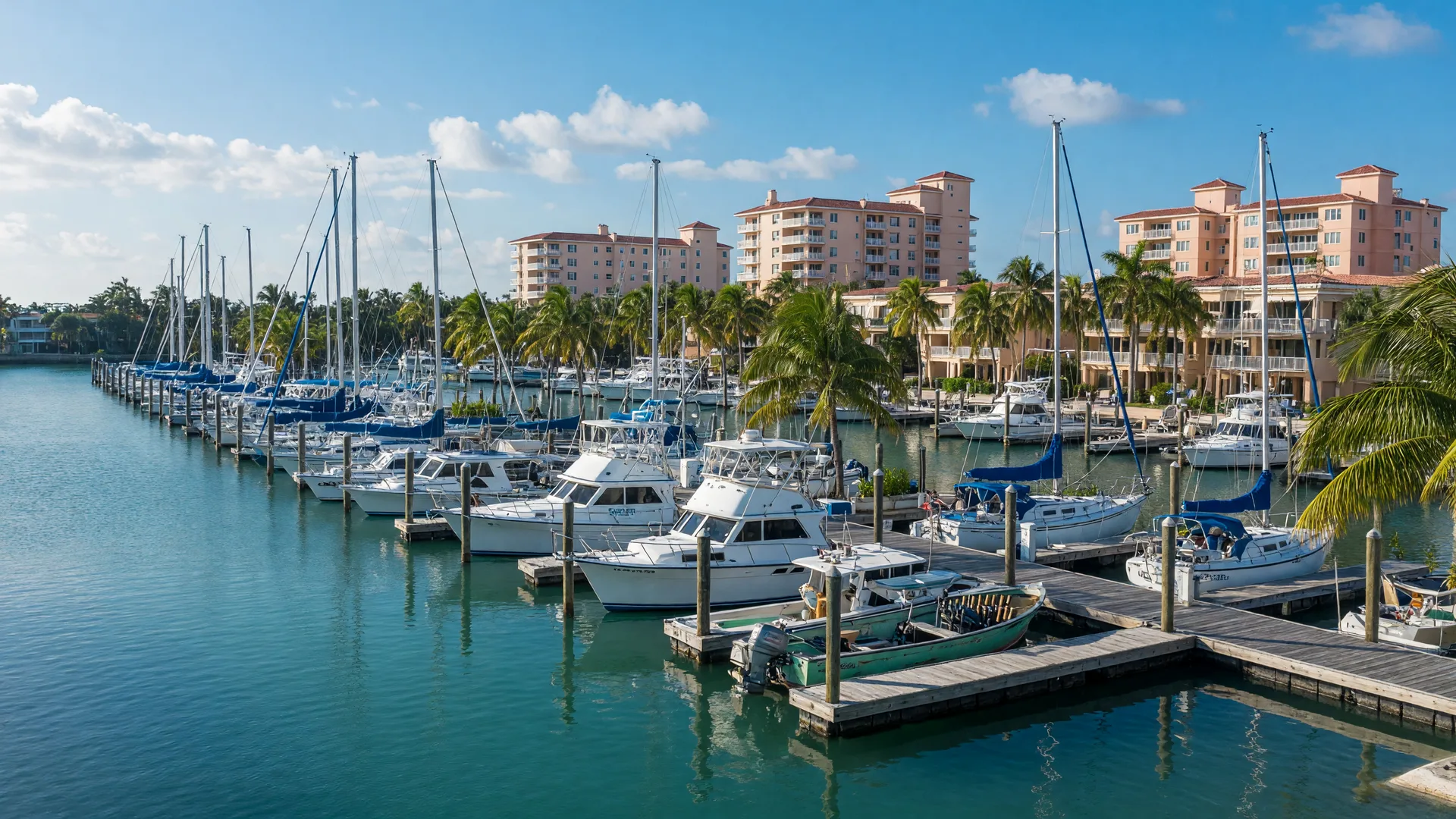
If you are comparing places by the water, my guide to boating and marinas in Palm Beach County and the waterfront homes hub are useful starting points.
What Is the Fishing Scene Like in Palm Beach County?
The county's position on the Atlantic gives it a rare advantage: the Gulf Stream, a warm, fast-moving current full of pelagic fish, runs close to shore. That means offshore water is often within a relatively short run from the coast, and it is one reason the area has a reputation for sailfish and big-game fishing. At the same time, the Intracoastal Waterway, canals, lakes, and flats provide calmer inshore water that is ideal for beginners and for fishing close to home.
The practical result is a fishing scene with real depth. You can fish from a public pier with a rod rental and a bucket of bait, or you can run a boat miles offshore chasing tuna and mahi-mahi. Both worlds are part of the same county, and that variety is one of the things locals appreciate most. The Discover The Palm Beaches site is a good official starting point for outdoor recreation planning.
Where Can You Fish From the Beach and Piers?
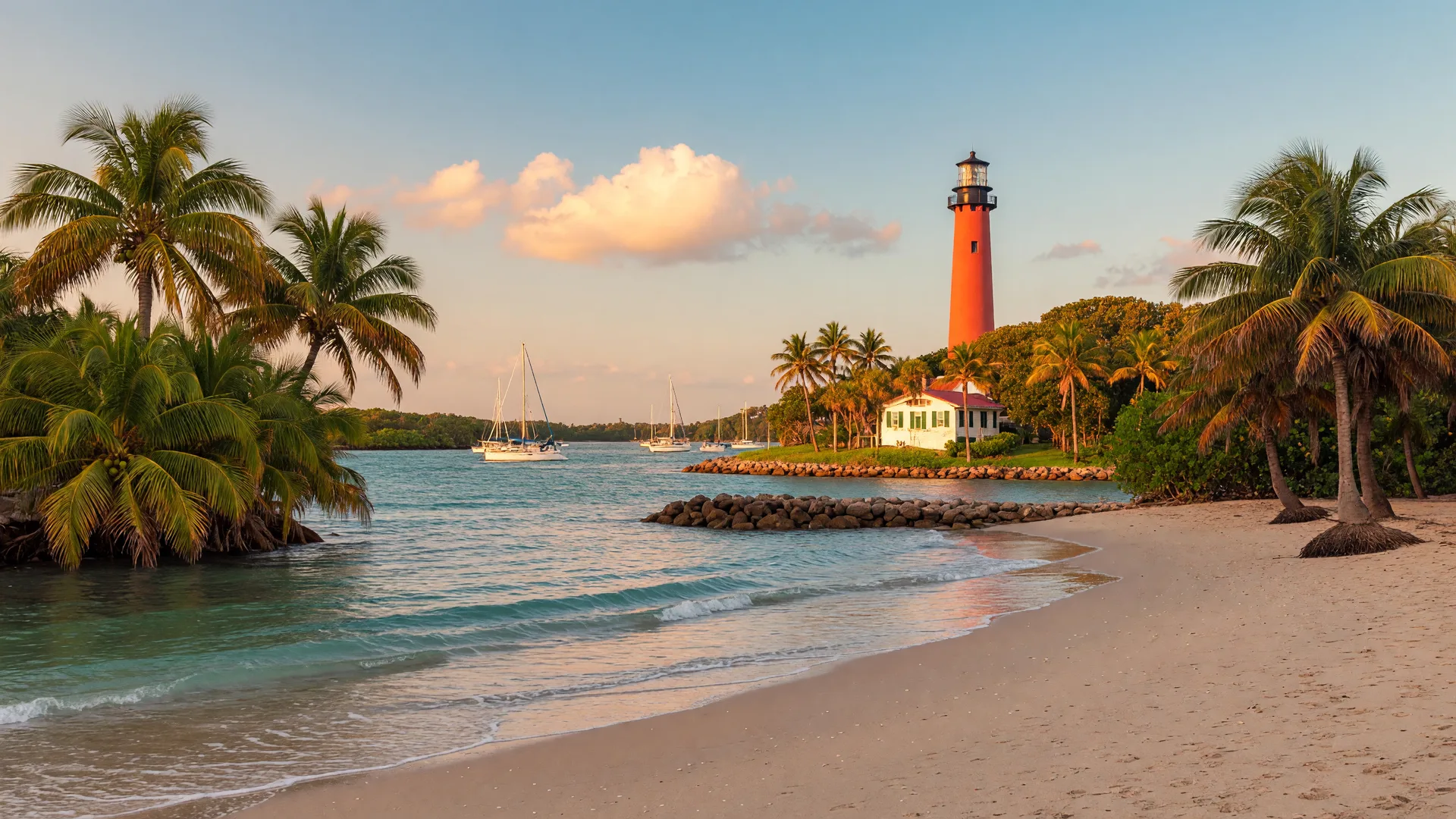
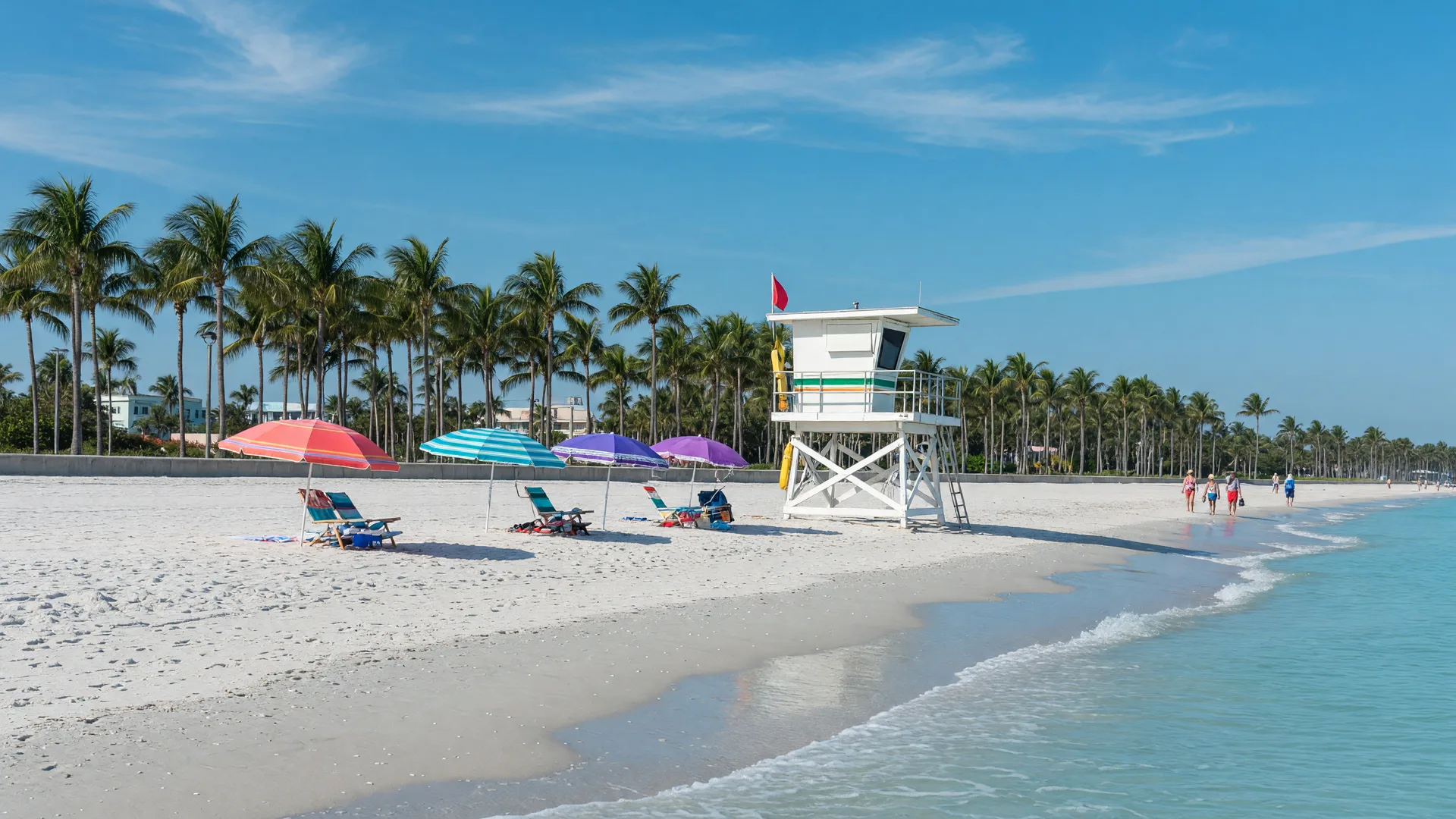
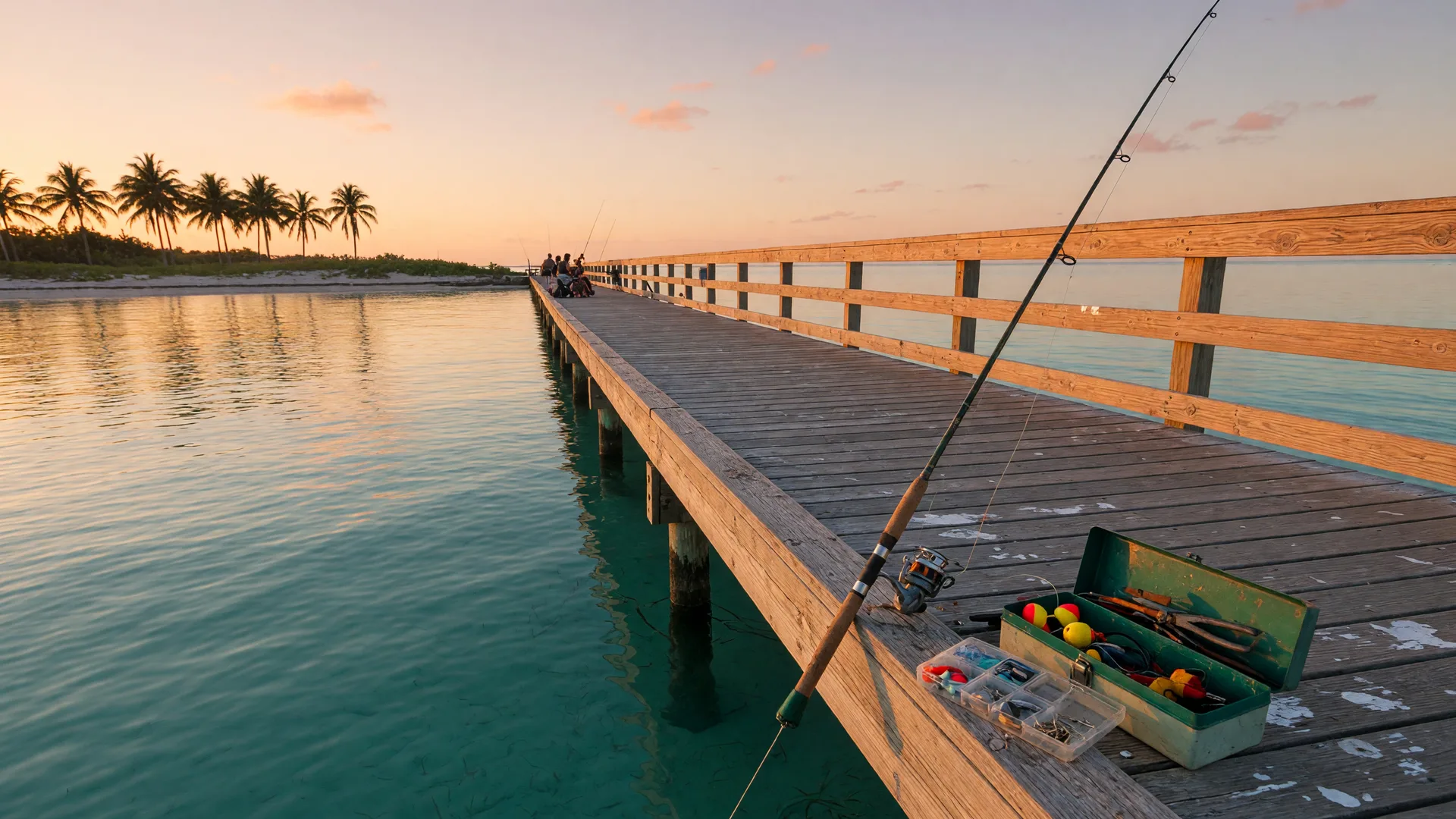
No boat required. Several public piers and shoreline locations give you easy access to good fishing. The Town of Juno Beach operates a public fishing pier at the beach, and the Lake Worth Beach area has its own pier with a long history of shore fishing. Palm Beach County Parks and Recreation operates additional piers and shoreline fishing spots across the county.
- Beach fishing: From the surf you can target species like pompano, whiting, and sharks, especially early and late in the day.
- Pier fishing: Piers put you over deeper water without a boat and are a great place to try for snapper, jack, and mackerel.
- Shoreline spots: County parks and waterfront areas along the Intracoastal offer calm spots for family fishing.
For visitors and new residents, a pier is the easiest introduction: no launch, no license hassle beyond the standard requirement, and usually bait and tackle available nearby. It is also a genuinely social way to fish, which is part of the appeal for many locals.
What Are the Inshore and Flats Options?
Inshore fishing happens in the Intracoastal, the canals, and the shallow flats that line much of the coast. It is often done from a skiff, kayak, or paddleboard, and it is where many residents start because the water is calmer and the travel time from home is short.
Common targets include snook, tarpon, redfish, and sea trout, along with the baitfish and crustaceans that draw them. The flats fishing here is famous for sight casting, where you spot a fish in clear, shallow water and present a bait or lure to it. That style takes practice, but it is one of the most rewarding ways to fish in the county.
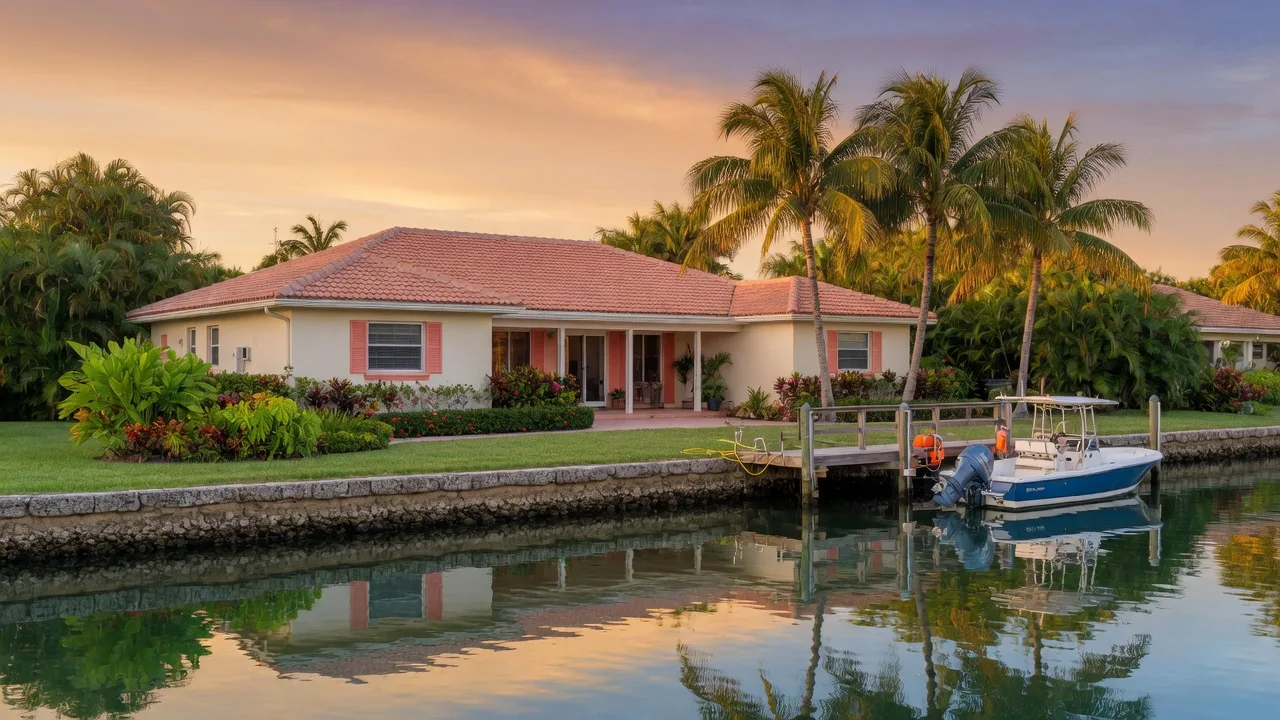
For people who live on the water, inshore fishing is often a daily possibility. Homes on canals and connected lakes can put you minutes from good flats water. If that lifestyle appeals to you, it is worth understanding the difference between the waterfront types, which I cover in my guide to canal, lakefront, and Intracoastal homes.
What Should Offshore Anglers Know?
Offshore fishing is where the Gulf Stream advantage shows. The warm current brings species like mahi-mahi, sailfish, tuna, and wahoo, and because the stream runs close to the coast, the run to productive water is often shorter than in other parts of Florida.
Offshore trips are usually done from a larger boat with the right safety gear, and many anglers fish with a local charter captain rather than owning a boat. Charters are a common and practical way to experience offshore fishing without the cost of a serious offshore vessel. Weather, sea conditions, and fuel costs all factor into when and how people go out, and the Florida Fish and Wildlife Conservation Commission is the official source for species, seasons, and safety rules.
If owning a boat is part of your plan, the depth and access of the water at your home matter a great deal, which brings the real estate question into focus.
What Can You Catch, and When?
Because of the warm climate and the Gulf Stream, there is fishable water in every season, but the species shift through the year. Snook and tarpon are often most active in warmer months, pompano and whiting show up on the beaches at certain times, and offshore species follow seasonal patterns tied to water temperature and bait movement.
The important rule is that size limits, bag limits, and seasons apply to many popular species, and they can change. Always check current regulations on the FWC website before you keep anything, and ask a local tackle shop what is biting right now. Local knowledge is one of the best tools an angler has, and the county's bait and tackle shops are a reliable source for it.
What License and Rules Do You Need?
Florida requires a saltwater fishing license for most anglers, whether you fish from a pier, the beach, or a boat. There are exemptions for some residents and for certain ages, and the requirements differ between residents and non-residents, so the reliable move is to check the current rules on the FWC license page and buy your license online before you head out.
Beyond the license, be aware of size and bag limits for the species you are targeting, respect no-wake zones and protected areas, and never leave monofilament line or tackle behind. Clean, responsible angling keeps the water and the fishery healthy, which protects the very lifestyle that draws people here.
What Should You Bring for a Day on the Water?
A good day of fishing starts before you leave the house. A small, well-packed bag makes the difference between a quick outing and a frustrating one, especially in the Florida sun.
- Sun protection: Sunscreen, a hat, and sunglasses are essential here. The reflection off the water intensifies the sun, and a long-sleeve shirt is worth the heat.
- Water and snacks: Staying hydrated in the warm climate is the most overlooked part of a fishing trip.
- Valid license: Bring proof of your Florida saltwater fishing license, whether on paper or on your phone.
- Basic tackle: A rod, a few hooks, weights, and some bait or lures suited to the species and the spot. Tackle shops will set you up for the local bite.
- Release gear: Pliers for removing hooks, and follow the size and bag limits so fish you release go back healthy.
If you are just starting, a guided trip or an afternoon at a pier with a local is one of the fastest ways to learn. Locals are generous with practical advice, and the county's bait and tackle shops are a friendly first stop.
How Does Fishing Shape Where You Choose to Live?
For many buyers, the water is the deciding factor. Communities like Jupiter and North Palm Beach sit close to the Intracoastal and the ocean, while Lake Clarke Shores offers connected freshwater lakes with dock access and a public boat ramp. Each gives you a different kind of access and a different price point.
The practical questions to answer before you buy include the depth of the water at your dock, whether the water is tidal, any bridge clearance between you and open water, and the condition of the seawall and dock. Those are exactly the details my guide to seawalls, docks, and water access walks through, and they matter far more than a pretty view when you actually want to fish.
If fishing from your own water is the goal, we should talk about the depth, access, and boating rights before you fall for a view. I can help you compare homes and communities that genuinely match how you plan to use the water.
Ready to Explore Waterfront Living?
If fishing and the water are part of the life you want, the right home can put you right on top of it. Tell me how you like to fish and how you plan to use the water, and we can compare waterfront homes and communities together.
Rhonda Townsend, REALTOR® · A.I. Certified Agent™ · 1st Real Estate Solution Inc.
(561) 236-9772 ·
rtownsendrealestate@gmail.com
Frequently Asked Questions
Sources
Sources referenced in this article:
- • Florida Fish and Wildlife Conservation Commission — Saltwater Fishing Licenses and Regulations
- • Palm Beach County Parks and Recreation — Fishing Piers and Shoreline Locations
- • Town of Juno Beach — Public Fishing Pier at Juno Beach
- • Discover The Palm Beaches — Official Tourism and Outdoor Recreation
Disclaimer: This article is provided for general educational and real estate information only. Water access, depth, bridge clearance, dockage, flood information, insurance requirements, and boating suitability vary by property and should be independently verified. Consult qualified professionals regarding your individual circumstances.