Key Takeaways
- In Florida, a townhome can be organized as a condominium under Chapter 718 or as a parcel-based community under Chapter 720, so the ownership structure matters more than the label.
- Condos typically cover the building exterior and common areas through the association, while villas and townhomes often leave more exterior responsibility with the owner, depending on the association documents.
- Condo buyers usually carry an HO-6 unit owner's policy plus the association's master policy, while villa and townhome owners typically need a full homeowners policy.
- Financing differs too: FHA loans require the condominium project itself to be FHA-approved, which is worth confirming before you make an offer.
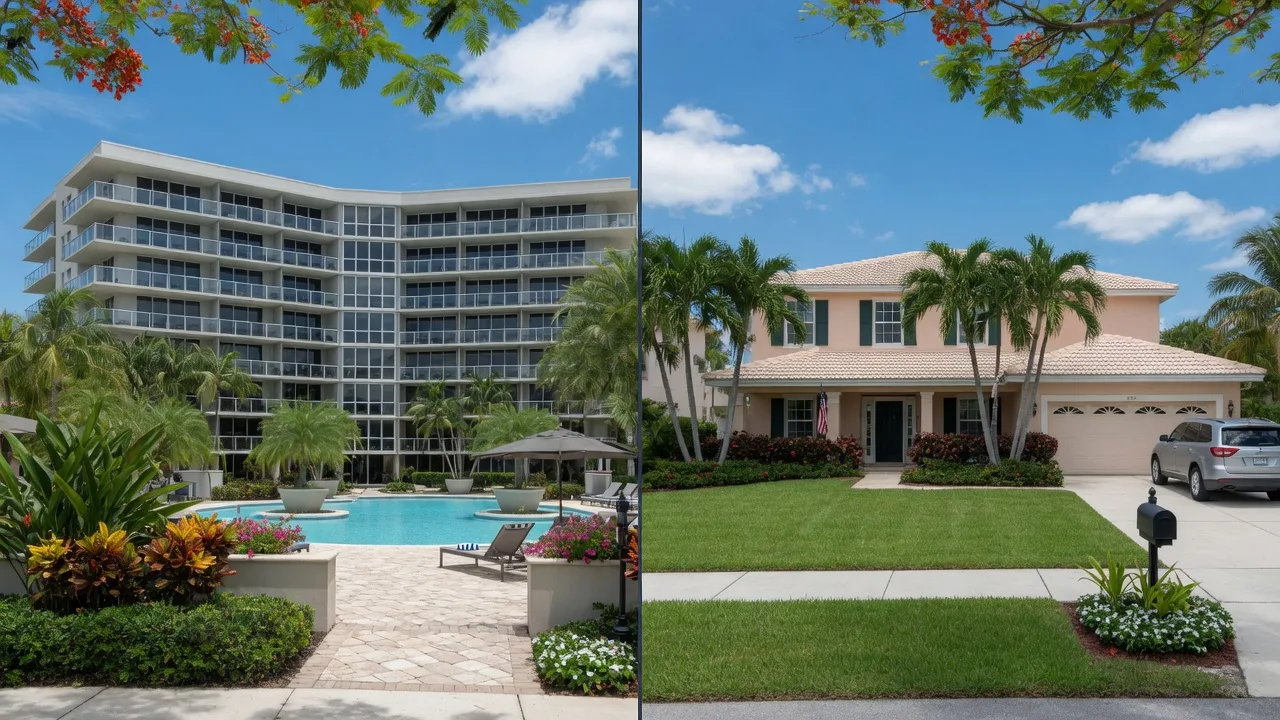
Condos, townhomes, and villas are the three most common low-maintenance home types in Palm Beach County, and they differ in ownership structure, monthly fees, insurance, and layout. A condo means you own the interior of a unit in a shared building, a townhome is an attached home that can be organized as a condominium or a parcel-based community, and a villa is typically a single-story attached home with a small yard. Understanding those differences before you shop will keep you focused on the homes that actually fit your budget and lifestyle.
I'm Rhonda Townsend with 1st Real Estate Solution Inc., and I help buyers across Wellington, West Palm Beach, Lake Clarke Shores, Royal Palm Beach, and the rest of Palm Beach County find the right home for their next chapter. This guide compares condos, townhomes, and villas across the details that matter most, so you can walk into showings knowing what you are really buying.
What Is the Difference Between a Condo, Townhome, and Villa?
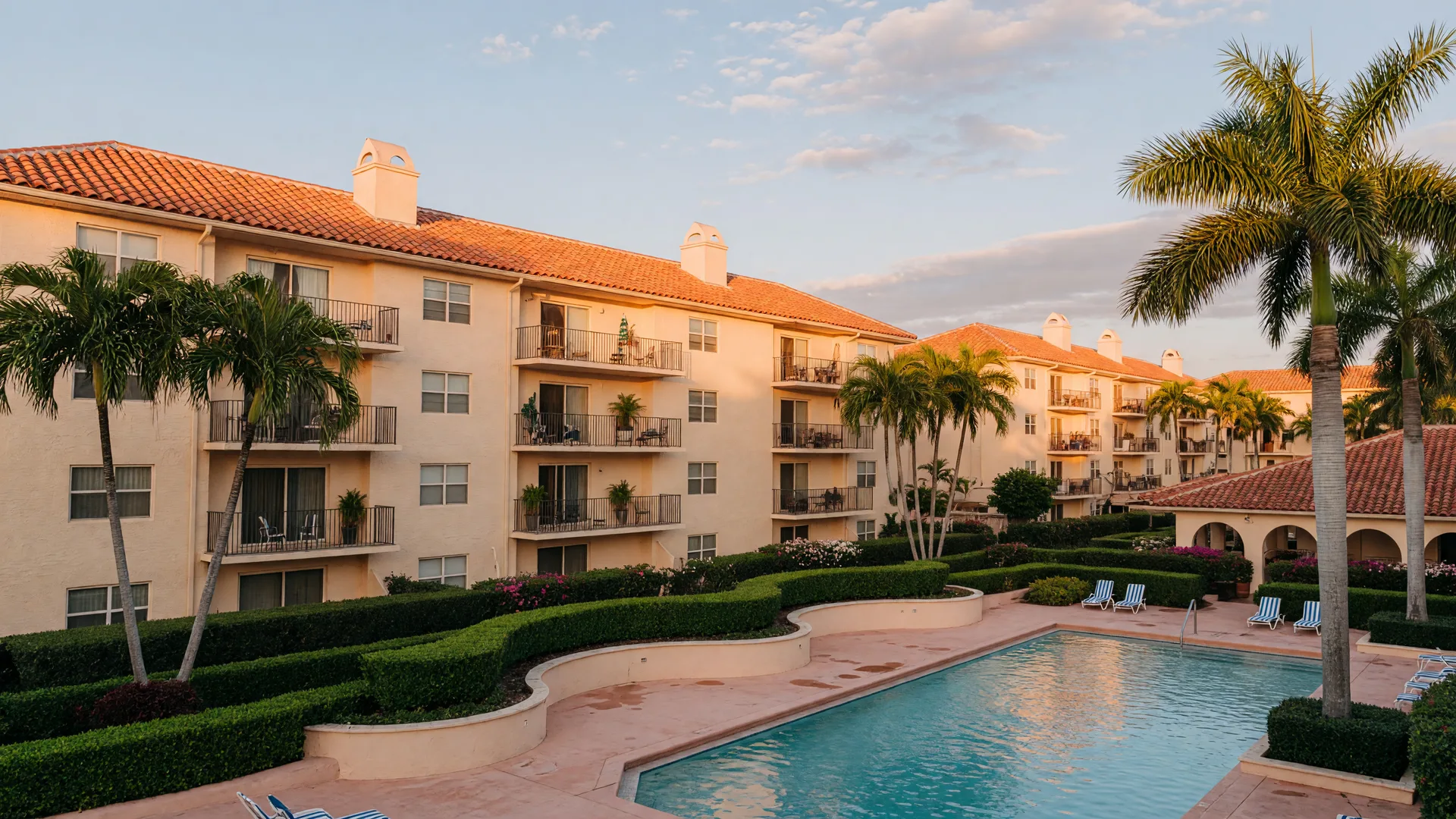
The labels get used loosely, so start with the legal structure. A condominium is a building or complex where you own the interior of your unit and share ownership of the common areas with every other unit owner. The association, governed in Florida by the Condominium Act in Chapter 718 of the Florida Statutes, maintains the building exterior, roofs, common areas, and amenities.
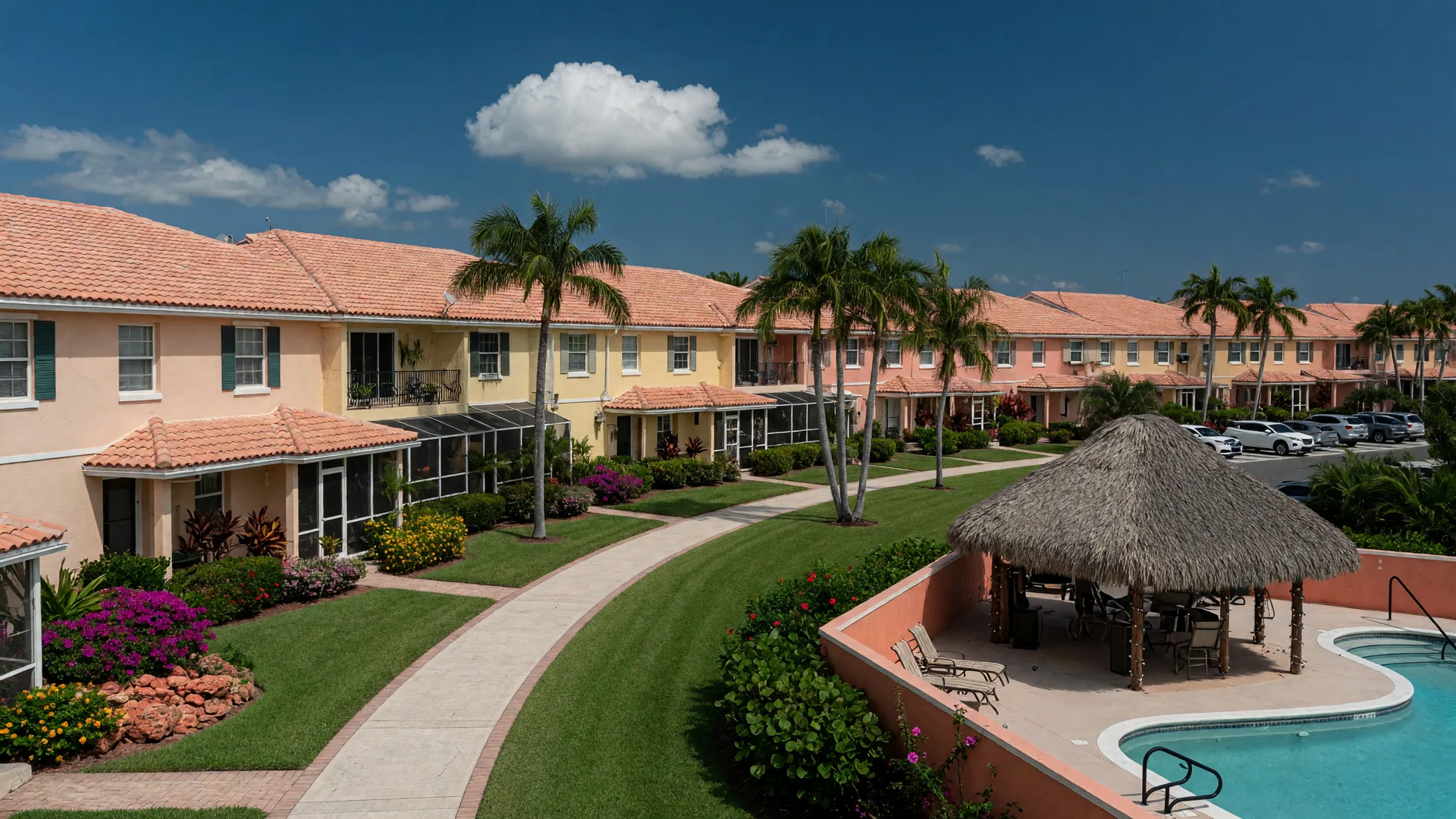
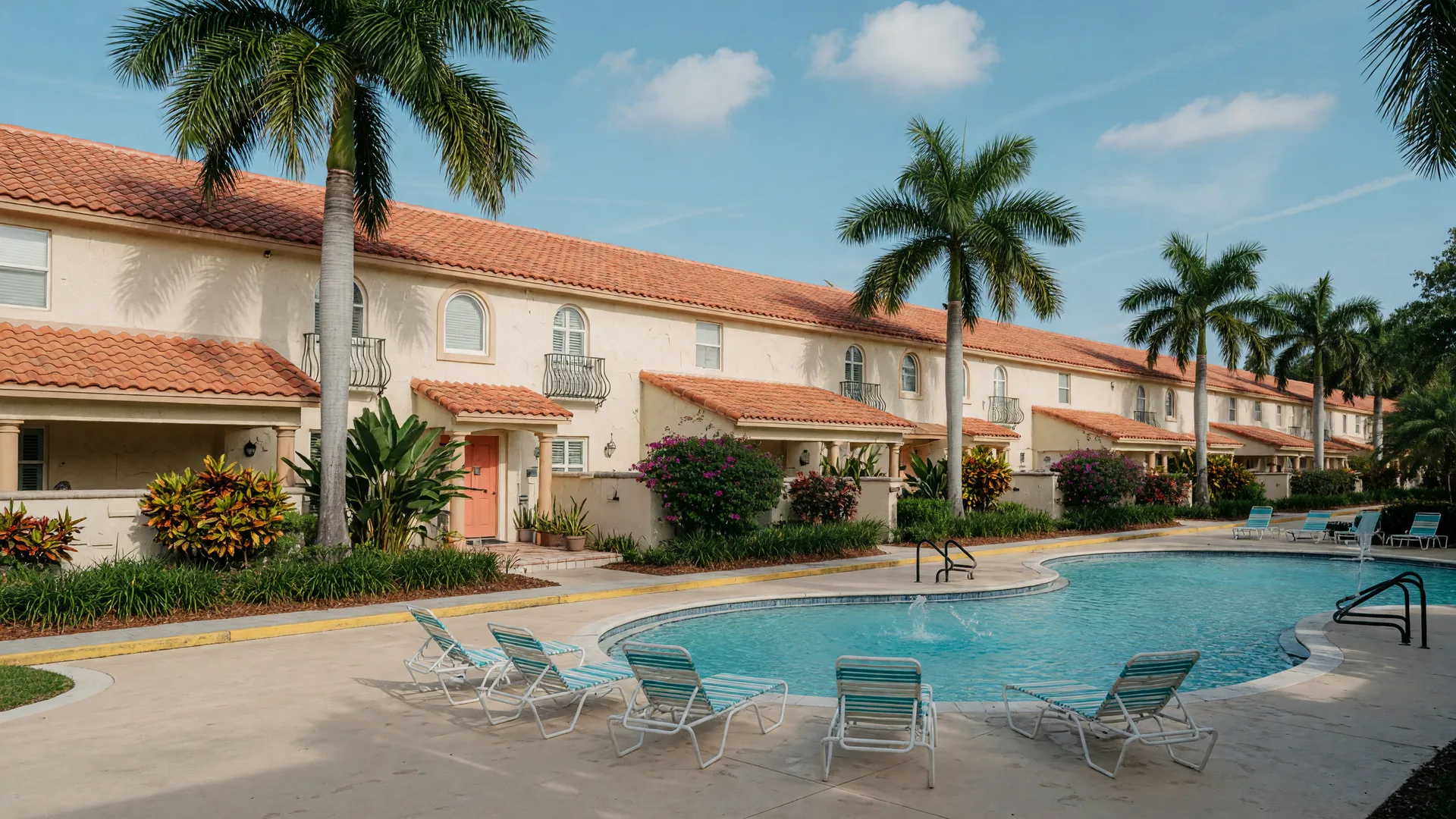
A townhome is an attached home, usually two or more stories, that shares at least one wall with a neighbor. In Florida, a townhome community can be organized as a condominium under Chapter 718, or as a parcel-based community under the Homeowners' Association Act in Chapter 720, where you own the land beneath your unit and the association manages shared elements. The Florida DBPR Division of Condominiums, Timeshares and Mobile Homes is the state agency that regulates these communities and publishes resources for owners.
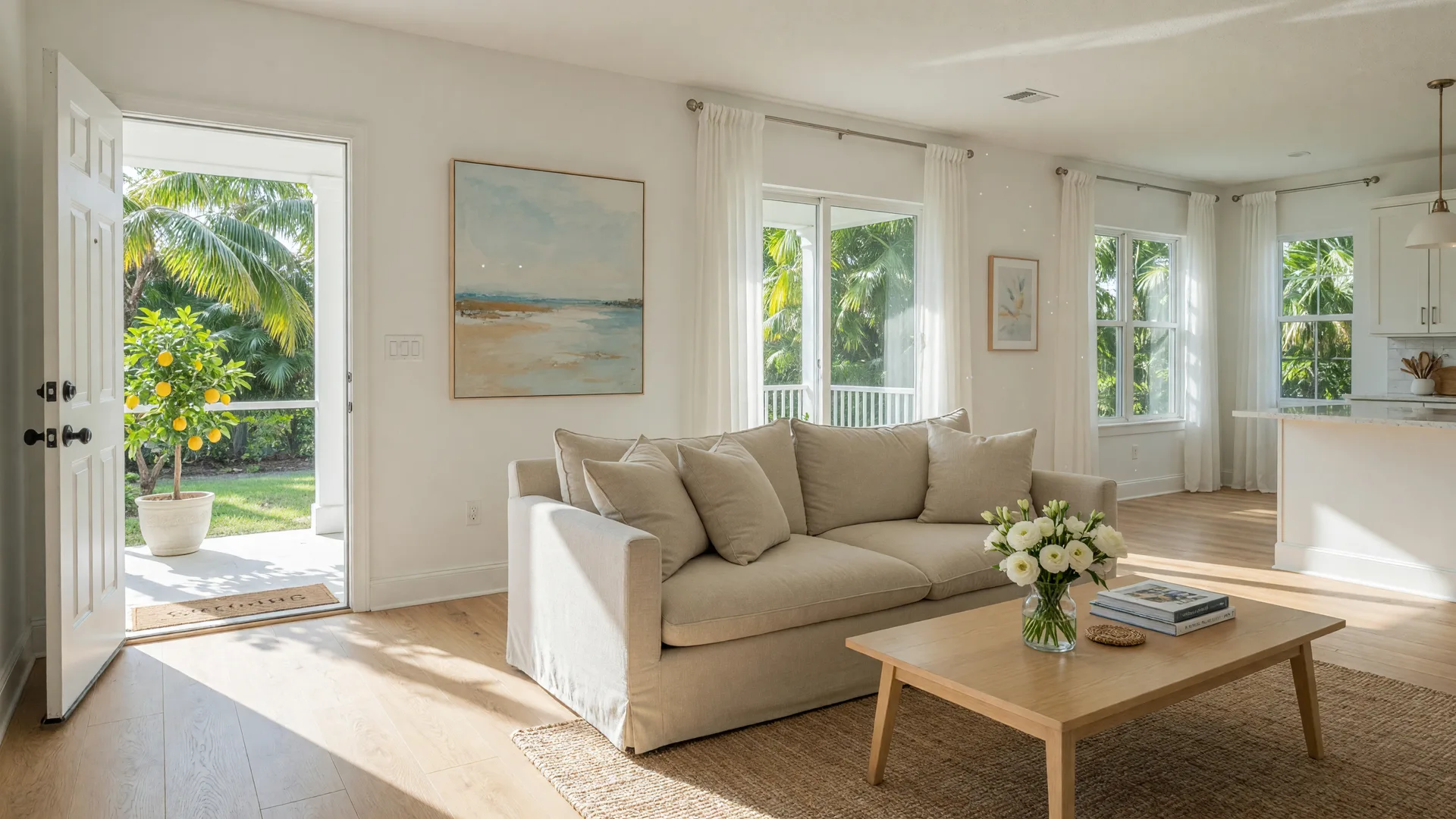
A villa is typically a single-story attached home, often paired with one neighbor, and it is common in Florida communities that emphasize easy living. Villas are usually fee-simple, meaning you own the home and the land under it, with a homeowners association that handles lawn care, exterior maintenance, or both. The exact arrangement is always set by that community's declaration, so the documents matter more than the name on the sign.
How Do Ownership and Monthly Fees Compare?
Ownership is the biggest difference. With a condo, your deed covers the interior walls in, and everything outside your unit is shared and maintained by the association. With a fee-simple townhome or villa, you own the structure and the land under it, and the association's scope is limited to what the declaration assigns, often the exterior, roof, lawn, and common areas.
Monthly fees follow the same pattern. Condo association fees are usually the highest because they cover the master insurance policy, exterior maintenance, common areas, and amenities. Townhome and villa HOA fees vary widely, from a modest amount that covers lawn care to a fuller fee that includes exterior painting and roof replacement. Before you compare two homes, get the current fee, the association budget, and the reserve fund status for each. My guide to HOA fees and association documents in Palm Beach County walks through exactly what to review.
How Do Insurance and Maintenance Compare?
Insurance is where the labels really change your budget. A condo association carries a master policy on the building, and you carry an HO-6 unit owner's policy that covers the interior of your unit, your personal property, and liability. A villa or townhome owner typically needs a standard homeowners policy on the dwelling itself, plus liability and personal property coverage. Flood insurance is separate in every case, and whether it is required depends on the property's flood zone, so check that early.
Maintenance follows ownership. In a condo, the association handles the roof, exterior, and common areas, which is the appeal for many buyers who want the least hands-on ownership. In a villa or townhome, you may be responsible for the exterior of your own unit or share that responsibility through the association, depending on the documents. If you are comparing a villa with a yard and a condo with a balcony, ask yourself how much time you actually want to spend on upkeep.
How Do Layout and Lifestyle Compare?
Layout is often the deciding factor. Villas are single-story, which makes them a natural fit for downsizers who want to avoid stairs. Townhomes usually stack living space over two or three floors, which can feel more like a house but adds stairs. Condos can be single-story units in mid-rise or high-rise buildings, with elevators and shared corridors.
Lifestyle differences matter too. Condo communities often include pools, fitness centers, and clubhouses, and many are located along the water in places like West Palm Beach and Lake Clarke Shores. Villa and townhome communities tend to feel more like neighborhoods, with front doors at ground level and small yards. If you are moving from a house, a villa or townhome can feel like a gentler transition; if you want the least maintenance and the most amenities, a condo may fit better.
What Should You Know About Financing and Resale?
Financing rules differ by ownership type. FHA loans require the condominium project itself to be FHA-approved under HUD guidelines before the agency will insure a loan on a unit, so your lender should confirm the project is on the approved list before you get attached to a specific building. Conventional loans have their own project standards through Fannie Mae, which your lender can verify. Fee-simple townhomes and villas are typically financed like single-family homes, which simplifies the process.
Resale is worth thinking about as well. Condos and villas in well-run associations with healthy reserves tend to hold their value and attract a steady pool of buyers, especially in communities with amenities. A townhome's resale depends heavily on its layout and location. In every case, the association's financial health shows up in the buyer's due diligence, so review the budget, reserves, and any pending special assessments before you commit. My article on downsizing to a condo or villa digs into the costs side of this comparison.
What Do Palm Beach County Communities Offer?
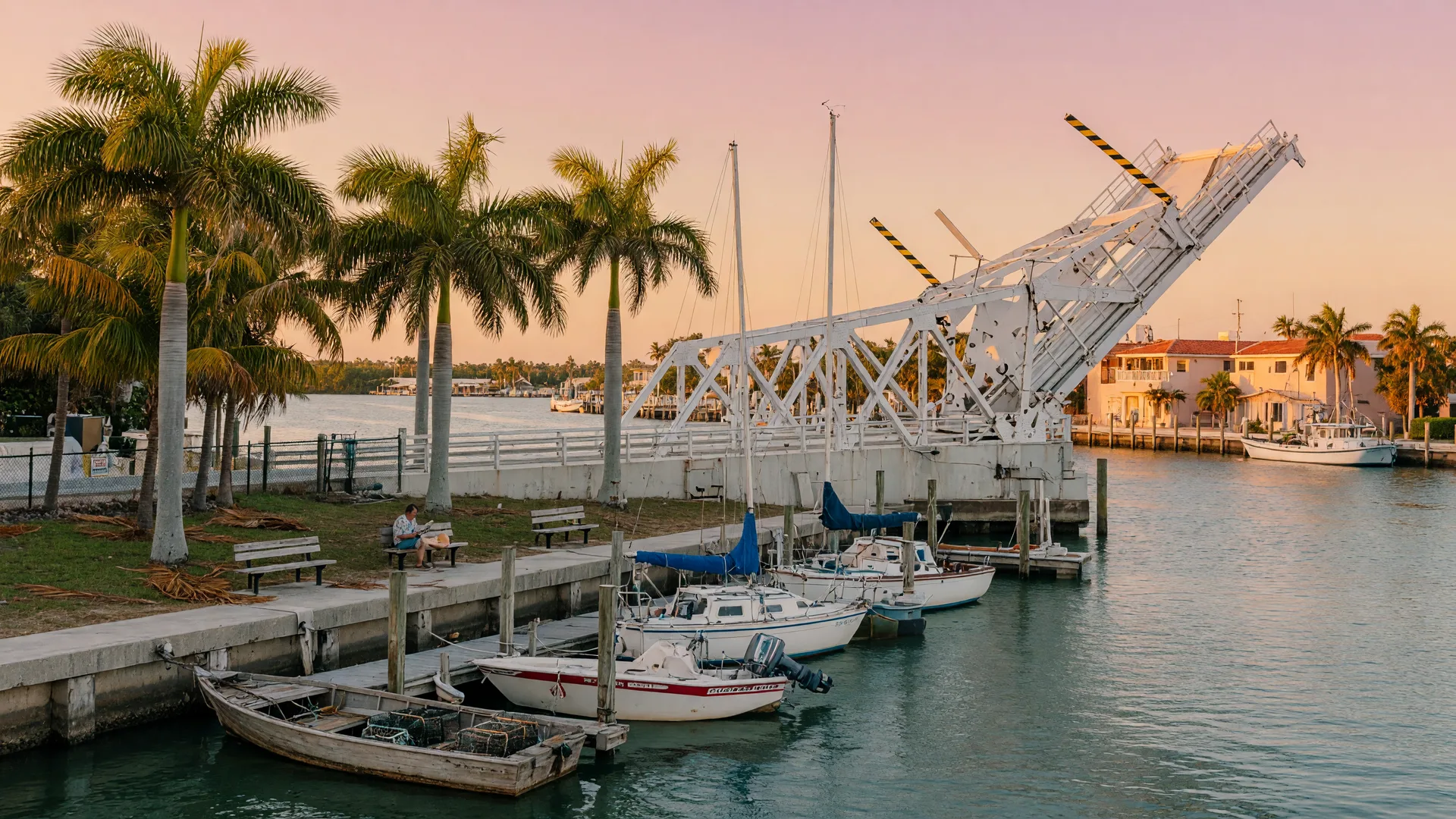
Low-maintenance homes are available in nearly every Palm Beach County market, but the character of each community differs. In Wellington, villas and townhomes sit near the equestrian preserve and the Town Center dining corridor, which appeals to buyers who want the village lifestyle with less upkeep. West Palm Beach has waterfront condominiums with pools, fitness centers, and concierge services, plus attached homes in established neighborhoods close to downtown. Lake Clarke Shores offers waterfront villas and townhomes along the Intracoastal, where a low-maintenance home can still come with a dock or canal access.
Farther out, Royal Palm Beach and Palm Beach Gardens have villa and townhome communities with resort-style amenities, and Jupiter and North Palm Beach offer condo and villa options near the water. The right market depends on where you want to be day to day: closer to downtown, closer to the equestrian venues, or closer to the coast. My community guides for Wellington, West Palm Beach, and Lake Clarke Shores describe what each area is like to live in.
Which Low-Maintenance Home Fits You?
Start with three questions. First, do you want stairs? If not, a villa or a single-story condo unit wins. Second, how much maintenance do you want? Rank the options from least to most hands-on, and be honest about your tolerance for yard work and exterior upkeep. Third, what does your budget allow? Compare the purchase price, the monthly association fee, and the insurance premium together, because a lower price can be offset by a higher fee.
Then get specific. Ask for the association documents and budget for any community you seriously consider, and check the flood zone and insurance cost for the exact unit. My Palm Beach County downsizing guide covers the full move, and my room-by-room downsizing checklist helps with the practical side once you have chosen.
A quick way to narrow down the options:
- No stairs and the least upkeep: a single-story villa or a condo unit on one level.
- A house feel with less yard: a townhome with two or three floors and a small patio.
- The most amenities and the least exterior responsibility: a condo in a community with a pool, fitness center, and clubhouse.
- Budget sensitive: compare the purchase price, the association fee, and the insurance premium together, because the monthly total is what you will actually feel.
If you are comparing communities in Wellington, West Palm Beach, or Lake Clarke Shores, I can pull the real numbers for you.
If you are weighing a condo, townhome, or villa anywhere in Palm Beach County, call me at (561) 236-9772 or email me at rtownsend@remax.net. Tell me what you are looking for, and I will help you compare the options with no pressure and no guesswork.
Not Sure Which Low-Maintenance Home Fits You?
Choosing between a condo, townhome, and villa comes down to your budget, your maintenance preferences, and how you want to live. I can walk you through the communities in Wellington, West Palm Beach, Lake Clarke Shores, and across Palm Beach County and help you compare the real numbers before you decide.
Rhonda Townsend, REALTOR® · A.I. Certified Agent™ · 1st Real Estate Solution Inc.
(561) 236-9772 ·
rtownsendrealestate@gmail.com
Frequently Asked Questions
Sources
Sources referenced in this article:
- • Florida DBPR Division of Condominiums, Timeshares and Mobile Homes — Florida condominium information and resources
- • Florida Statutes, Chapter 718, Florida Condominium Act — Florida Condominium Act (Chapter 718)
- • U.S. Department of Housing and Urban Development — FHA condominium project approval
Disclaimer: This article is provided for general educational and real estate information only. It is not legal, tax, financial, insurance, environmental, engineering, or property-inspection advice. Real estate requirements, costs, risks, policies, and market conditions vary by property and may change. Consult qualified professionals regarding your individual circumstances.