Key Takeaways
- The inspection report is a negotiation tool, not a mandatory punch list: as a seller you can fix an item, offer a credit, adjust the price, or decline it.
- Prioritize safety and structural issues first. In Florida, roof, electrical, water intrusion, and windstorm opening protection carry the most weight with buyers and lenders.
- Get real quotes before you agree to a credit, and verify any contractor you hire is properly licensed through the Florida DBPR.
- Respond in writing within the contract deadline, keep receipts, and let your agent negotiate so a small dispute does not sink the deal.
When a buyer's home inspection turns up issues, the repair request that follows is a negotiation, not a bill you must pay in full. As a seller in Palm Beach County you can fix an item, offer a credit at closing, adjust the price, or decline the request, and the goal is a written agreement that keeps the sale on schedule.
I'm Rhonda Townsend, a REALTOR® with 1st Real Estate Solution Inc., and I have guided sellers through inspections across West Palm Beach, Wellington, Lake Clarke Shores, and the rest of the county. The inspection step rattles more sellers than almost any other, mostly because it arrives fast and sounds more demanding than it really is. This checklist gives you a calm, repeatable way to evaluate the request, decide your position, and respond.
What Happens After a Buyer's Home Inspection?
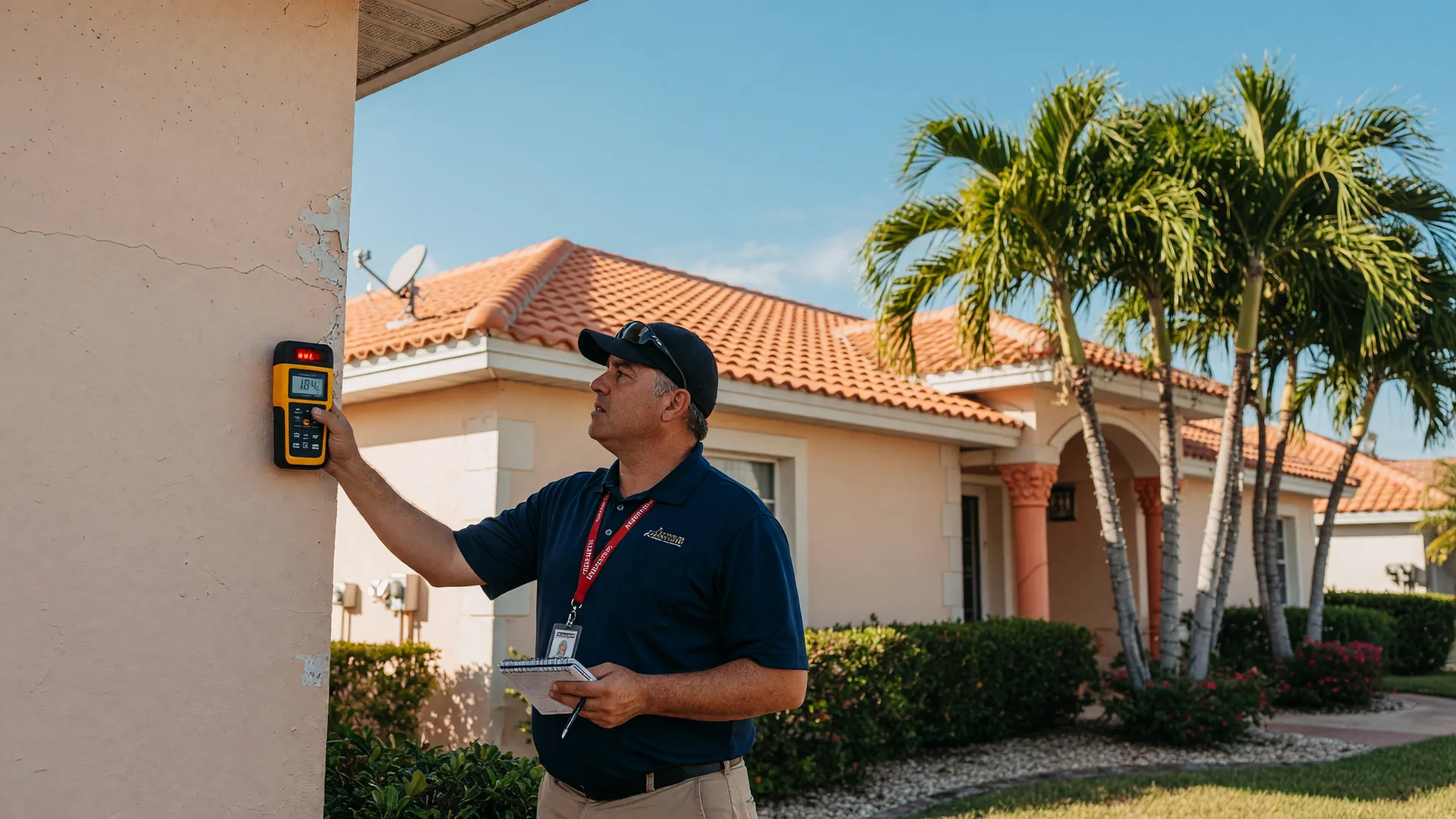
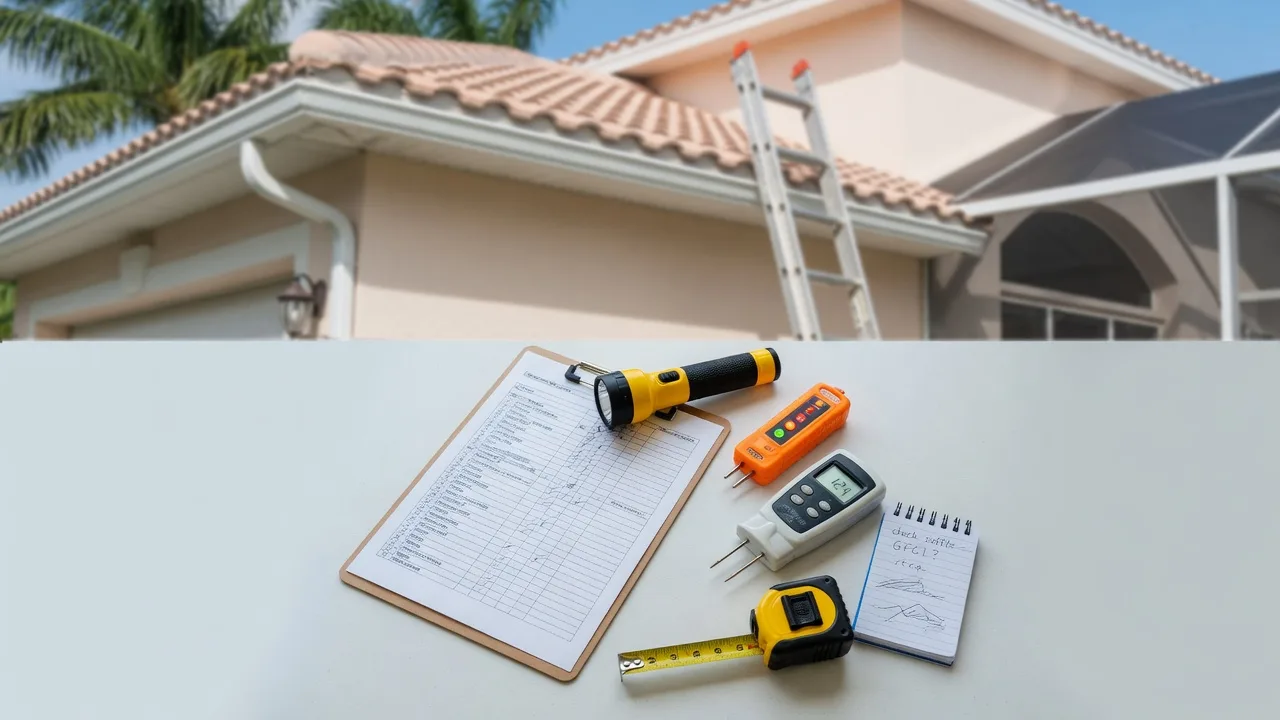
After you accept an offer, the buyer typically has an inspection period written into the contract. During that window the buyer arranges a home inspection, receives the report, and decides whether to move forward, renegotiate, or terminate under the inspection contingency. If the buyer wants repairs or a credit, they send you a written request through the transaction paperwork, usually with a deadline to respond.
Under the standard forms used in Florida, the inspection and repair-request process is governed by the contract you signed, so the first thing to do is confirm your deadlines with your agent. Missing a response deadline can cost you negotiating position, which is why the very first step in this checklist is simply to mark the response date on your calendar. My seller's guide to inspections and appraisals covers the overall process in more detail.
What Are the Most Common Inspection Findings in Palm Beach County?
Florida's sun, humidity, and storm exposure mean a predictable set of items shows up on inspection reports. Knowing which findings are common helps you separate normal requests from unreasonable ones.
- Roof: Missing or lifted shingles, cracked tiles, exposed fasteners, and flashing issues are among the most common findings, and roof condition also drives insurance quotes in Florida.
- HVAC: Older air conditioning systems and deferred maintenance are routinely flagged, especially in coastal areas where salt air wears equipment faster.
- Moisture: Leaks, water staining, and condensation issues in attics and around penetrations are frequent, and inspectors flag moisture even when no active leak is present.
- Electrical: Missing GFCI protection in kitchens, bathrooms, garages, and exterior outlets is a very common finding, along with older panels and minor wiring issues.
- Windstorm protection: Inspectors document hurricane-resistant features and opening protection, and a single unprotected opening can affect the home's insurance rating.
The practical takeaway is that many findings are ordinary and negotiable. The items that deserve your immediate attention are the ones tied to safety, structure, and insurability, because those are the ones that can genuinely affect whether the deal closes.
How Do You Evaluate a Repair Request?
Work through the request line by line rather than accepting or rejecting it as a whole. A good evaluation separates three categories:
- Must-fix items: Active leaks, structural concerns, electrical hazards, and anything that affects the home's insurability. These carry real weight with the buyer's lender and insurer, and they are the most reasonable to address.
- Reasonable requests: Cost-effective repairs and code-standard items that a typical buyer expects, such as replacing a damaged outlet cover or servicing a dated system. A small concession here buys goodwill and momentum.
- Defer or decline: Cosmetic preferences, pre-existing conditions you already disclosed, routine maintenance beyond the home's age and condition, and upgrades the buyer is asking you to pay for.
Before you respond to any of it, get real numbers. A written quote from a licensed contractor turns a vague request into a decision you can make on facts. The Florida DBPR license search lets you verify a contractor's license before you hire anyone, which matters for the big-ticket items like a roof or an electrical panel.
Should You Fix the Item or Offer a Credit?
Each choice has a tradeoff, and the right answer depends on the item, the cost, and your timeline.
- Make the repair: You control the scope and the contractor, the work is done before closing, and there is no ambiguity for the buyer. This is usually best for smaller, well-defined items and for anything tied to insurance.
- Offer a credit: Faster and simpler paperwork, and it lets the buyer choose their own contractor and timeline after closing. The catch is that a credit reduces your net proceeds, so it only makes sense when it costs you less than completing the repair yourself.
- Adjust the price: Sometimes used for larger or harder-to-define items where neither side wants to manage the work. The price reduction can be easier to explain to an appraiser than a big credit in some cases, though not always.
A common seller mistake is agreeing to a credit without comparing it to the actual cost of the repair. If the buyer asks for a $3,000 credit and the repair costs $1,200, fixing it yourself saves you money and removes the buyer's worry. Conversely, if the item is minor but you are deep into a tight closing timeline, a small credit can be the fastest way to keep everyone moving.
What Should You Say No To?
Not every request deserves a yes. It is reasonable to decline or counter the following, provided you stay within your contract's response deadline:
- Items already disclosed: If you disclosed a condition in the seller's disclosure and priced the home accordingly, a request to fix it can be declined or negotiated as a price matter rather than a repair.
- Pre-existing conditions: Issues that predate your ownership and are documented, such as an aging roof at the end of its useful life, are often addressed with a credit or a price conversation rather than a full replacement.
- Cosmetic preferences: Paint colors, dated fixtures, and taste-based requests are not inspection defects, and it is fair to decline them.
- Upgrades: A request to install something the home never had, such as impact windows county-wide, goes beyond a repair and can be counteroffered.
- Unpermitted work demands: If the request involves work that would need a permit, clarify that the buyer's contractor will pull and close the permit, or handle it as a credit so the paperwork is managed correctly.
Declining an item does not mean the deal ends. The buyer can accept your position, counter it, or in limited cases walk under the inspection contingency, which is why every decline should come with a reasonable alternative or a clear explanation. My as-is vs. make repairs guide helps you think through the broader decision of how much repair work to take on at all.
How Do You Negotiate and Keep the Deal on Track?
The negotiation is best handled in writing and through your agent, and it works best when you keep the focus on closing the sale.
- Mark the deadline: Note the response date from your contract and respond before it, in writing.
- Group the items: Separate the must-fix list from the credit list and the declines, then counter with a clear package rather than one-off emails.
- Get quotes first: For any repair you might make, obtain a written quote from a licensed contractor before you commit.
- Keep receipts and permits: If you complete repairs, save the invoices and any permits so the buyer, the title company, and the insurance agent can see the work was done properly.
- Use your agent as the buffer: Let your agent relay offers and counters. A calm, professional back-and-forth protects the relationship between you and the buyer, which matters through the rest of the transaction.
Most inspection negotiations in Palm Beach County end with both sides making some concessions, and the deals that fall apart are usually the ones where a single small item was allowed to balloon. If you want to see how the repair conversation fits into the whole sale, the selling guide walks through pricing, preparation, offers, and closing, and my complete seller's guide goes deeper into each stage.
If an inspection repair request arrives and you are not sure how to respond, call me at (561) 236-9772 or email rtownsendrealestate@gmail.com. I can help you evaluate the report, get the right quotes, and negotiate a fair outcome that keeps your sale moving toward closing.
Got an Inspection Repair Request You Are Unsure About?
Knowing what to fix, what to credit, and what to decline is where an experienced agent earns their keep. I can help you evaluate the request, get the right quotes, and negotiate a fair outcome that keeps your sale moving.
Rhonda Townsend, REALTOR® · A.I. Certified Agent™ · 1st Real Estate Solution Inc.
(561) 236-9772 ·
rtownsendrealestate@gmail.com
Frequently Asked Questions
Sources
Sources referenced in this article:
- • Florida Realtors — Official state association for real estate professionals
- • Florida Department of Business and Professional Regulation — Verify a contractor's license
Disclaimer: This article is provided for general educational and real estate information only. It is not legal, tax, financial, insurance, environmental, engineering, or property-inspection advice. Real estate requirements, costs, risks, policies, and market conditions vary by property and may change. Consult qualified professionals regarding your individual circumstances.