Key Takeaways
- A buyer's agent in Florida searches listings, schedules and accompanies showings, prepares and negotiates your offer, coordinates inspections, and guides you through closing.
- Under a single agent relationship, your buyer's agent owes you fiduciary duties including loyalty, confidentiality, full disclosure, and accounting for all money and property.
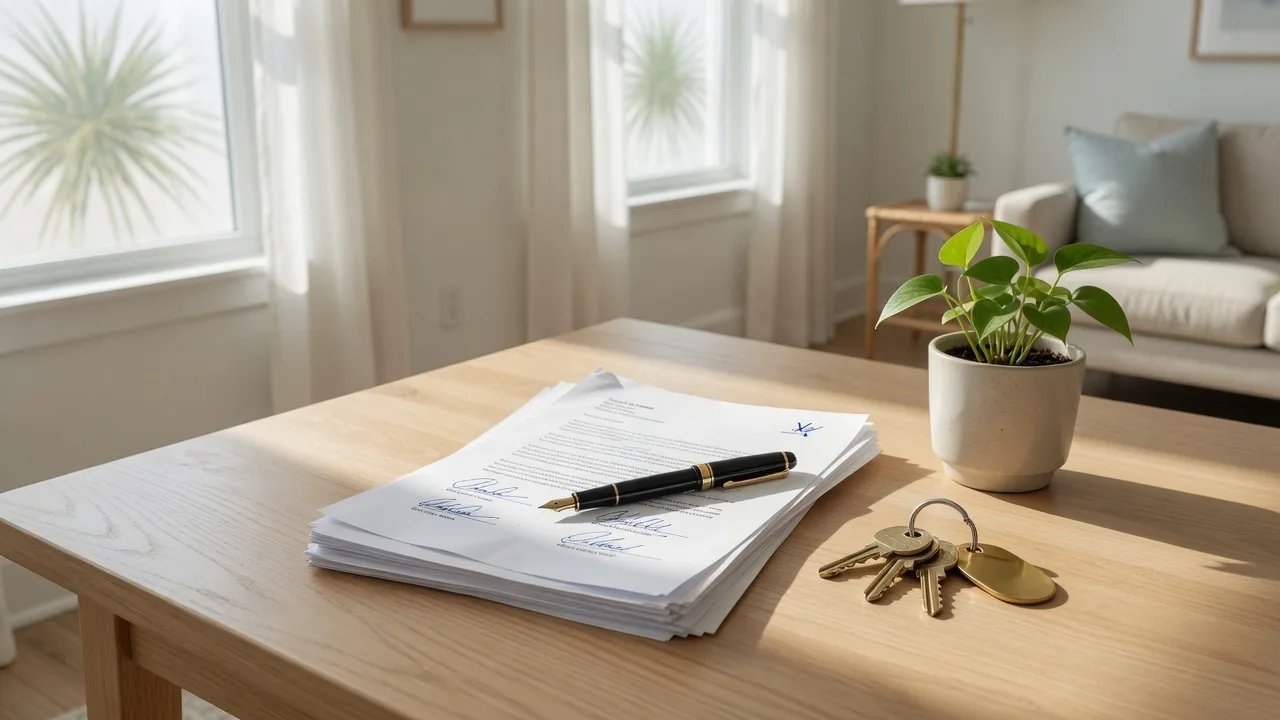
- Since August 2024, you must sign a written buyer representation agreement before touring homes with your agent, and that agreement must state compensation in a specific amount.
- The written agreement protects both sides by defining the agent's duties, the scope of representation, the time period, and exactly how the agent is paid.
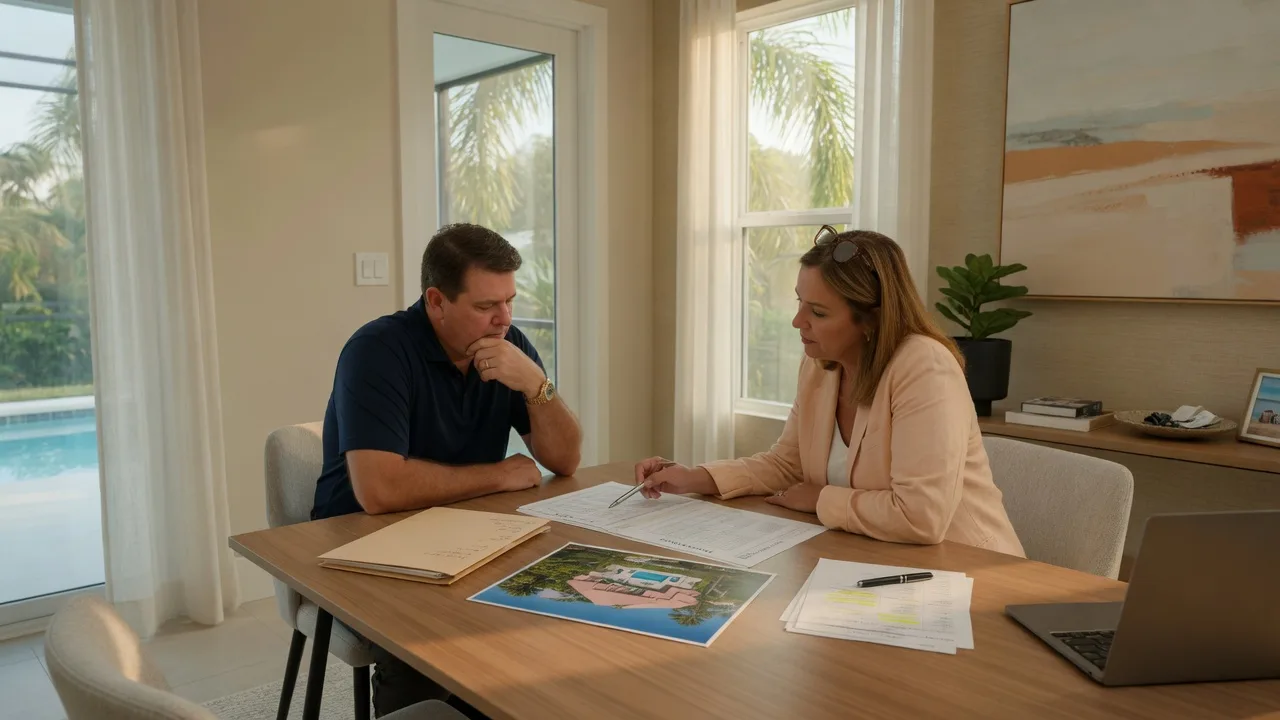
A buyer's agent is a licensed Florida real estate agent who represents you when you purchase a home. Under a written agreement, they search listings, arrange and attend showings, prepare and negotiate your offer, coordinate inspections, and guide you through closing. This guide explains how buyer representation works in Florida and what it means for your Palm Beach County home search.
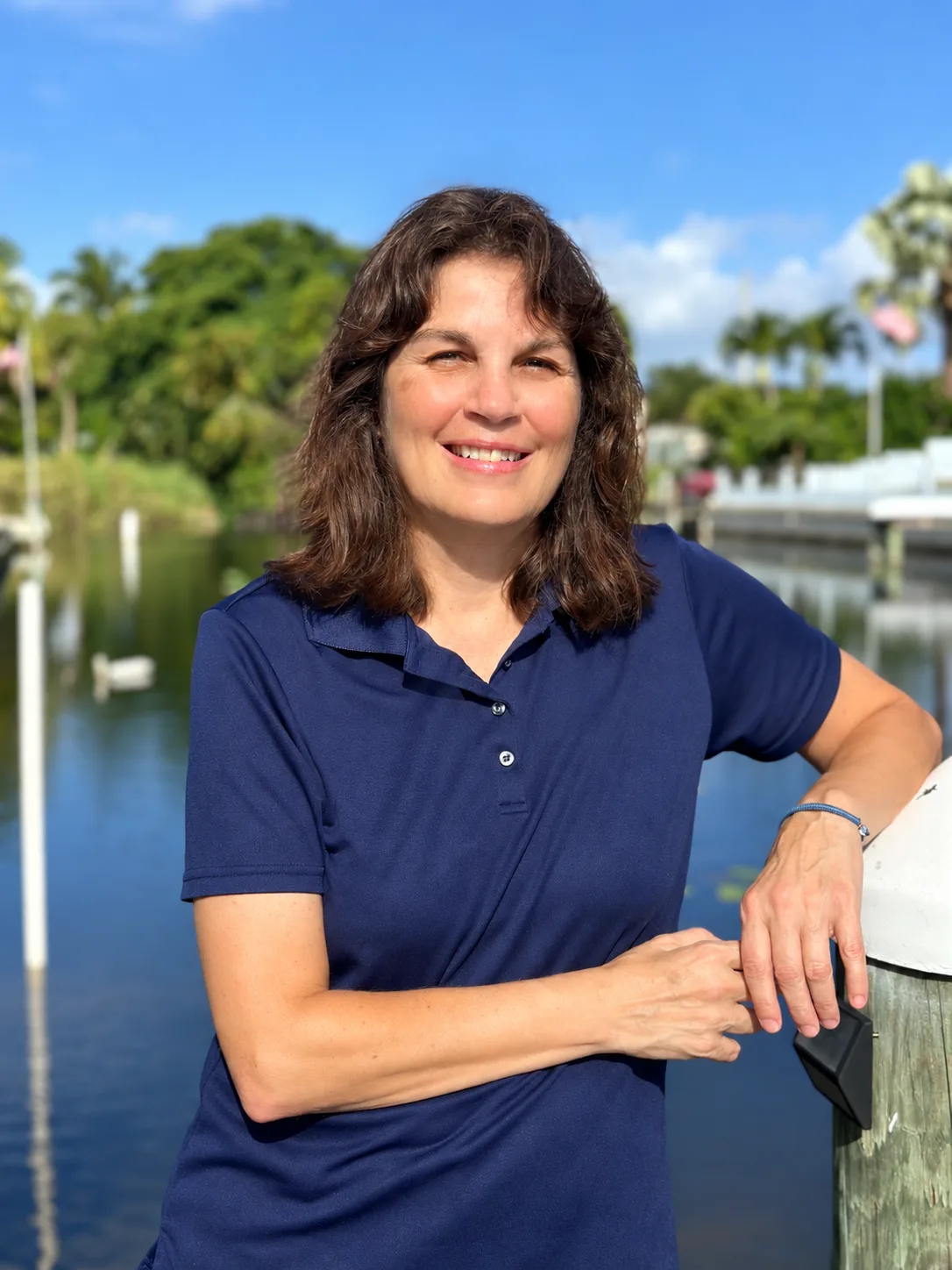
I'm Rhonda Townsend with 1st Real Estate Solution Inc., and I help buyers throughout Palm Beach County find the right home and negotiate it with confidence. One of the most common questions I hear is how the agent relationship works, especially now that written buyer representation agreements are part of the process. Let's walk through it.
What Is a Buyer's Agent and What Do They Do?
A buyer's agent works on your side of the transaction. In Florida, that means a licensed agent who represents you under a single agent relationship, which carries fiduciary duties to you as the buyer. Those duties include dealing honestly and fairly, loyalty, confidentiality, obedience to lawful instructions, full disclosure, accounting for all money and property, and using skill, care, and diligence.
Day to day, a buyer's agent does a lot of practical work:
- Searches listings: your agent pulls current homes for sale across the MLS, filters them to your criteria, and spots off-market opportunities.
- Arranges and attends showings: your agent schedules tours, accompanies you, and points out details you might miss.
- Prepares your offer: your agent drafts the offer on the standard Florida contract and helps you set price and terms.
- Negotiates: your agent communicates with the seller's side, pushes back on price and terms, and keeps you informed at every step.
- Coordinates due diligence: your agent lines up inspections, appraisals, and any additional testing, and helps you review the results.
- Guides you through closing: your agent tracks deadlines, coordinates with the title company and lender, and is there when you close.
If you are just getting started, my step-by-step buyer's guide covers the full process from pre-approval to closing, and a buyer's agent walks you through each of those steps in person.
How Does Buyer Representation Work in Florida?
Florida law recognizes different brokerage relationships, and the default in many transactions is a transaction broker, who assists both buyer and seller with limited duties and does not represent either party exclusively. If you want a buyer's agent who represents only you, that single agent relationship must be established in writing before the agent works for you in that capacity.
In 2024, the practice rules for real estate professionals changed, and those changes now apply to every MLS-based buyer relationship in Florida. The key points:
- A written agreement before touring: your agent must have a signed buyer representation agreement in place before touring a home with you, either in person or on a live virtual tour.
- Compensation is negotiated off the MLS: listing brokers no longer post offers of buyer agent compensation in the multiple listing service, so the payment arrangement is agreed directly in your contract.
- Specific compensation terms: your buyer representation agreement must state the agent's compensation in a specific, objectively ascertainable amount, such as a flat fee, a percentage, or an hourly rate, rather than vague language.
Florida has updated forms to go with these rules, including an exclusive buyer brokerage agreement, a showing agreement, and a property pre-touring agreement. Your agent should walk you through whichever form you use and answer every question before you sign. The relationship is straightforward, but the details matter, and a good agent makes them clear up front.
Your relationship is also disclosed in writing before you tour homes, a separate requirement under Florida's brokerage relationship law. That disclosure tells you whether the agent you are working with represents you as a single agent, acts as a transaction broker, or works for the seller. It is a short document, but it is worth reading carefully, because it defines who is on whose side from the very first showing.
When Do You Sign a Buyer Representation Agreement?
Under current practice rules, you sign before the first tour, whether that tour happens in person or over a live video call. That timing can feel surprising if you are used to casually viewing homes, but it protects you in an important way: it guarantees that the person showing you homes is working for you, not for the seller.
You can choose the scope of the agreement. An exclusive buyer brokerage agreement means you work with that agent for a set period, often across a full home search. A showing agreement is more limited and can apply to a single showing or a short period. Both are legitimate, and which one fits depends on how far along you are in your search.
If you are relocating and want to compare communities first, community guides like West Palm Beach, Wellington, and Lake Clarke Shores are a good way to narrow down where you want to look before you commit to an agreement.
How Does the Buyer's Agent Get Paid?
Your buyer representation agreement states how your agent's compensation is determined and who pays it. That can be a flat fee, a percentage of the purchase price, or an hourly rate, and it must be specific enough to be objectively measurable.
In a typical Palm Beach County purchase, the seller may agree to pay the buyer's agent's compensation as part of the negotiated transaction. But that is not automatic, and it is no longer advertised in the MLS. The agreement you sign defines the arrangement, so you know exactly what is on the table before you make an offer.
Ask your agent to explain the compensation section in plain language before you sign. A good agent welcomes that conversation. You should also understand the other costs of buying, and my guide to what you can afford and the buying timeline put those numbers in context.
There is nothing wrong with discussing compensation openly. The terms in the agreement are negotiable between you and your agent, and a professional will explain how the fee would be covered in your particular transaction, whether the seller contributes, or whether you would pay it directly. The goal is for you to understand the numbers before you are in the middle of an offer, not after.
What Are Your Responsibilities Under the Agreement?
Representation is a two-way street. While your buyer's agent owes you fiduciary duties, the agreement also spells out your responsibilities as a buyer. These typically include working in good faith, providing accurate information about your needs and finances, honoring the terms of the agreement for its duration, and not trying to bypass your agent to deal directly with a seller.
Read the agreement for the time period it covers, the geographic scope, and any exclusivity terms. If you have questions about what a clause means, ask before you sign. This is a legal document, and understanding it is part of protecting yourself in the transaction. For a broader list of things to check as you get ready, the questions to ask before hiring an agent are a helpful starting point.
How Do You Choose the Right Buyer's Agent in Palm Beach County?
Start by verifying that any agent you consider holds a current Florida real estate license through the Department of Business and Professional Regulation. Licensing is the baseline; from there, look for local knowledge, clear communication, and an approach that matches how you like to work.
In Palm Beach County, the market varies widely by community. Waterfront homes, new construction, condos, and 55-plus communities each come with their own questions, from flood zones to association documents. An agent who knows the specific area you are interested in, whether that is Jupiter, Royal Palm Beach, or a downtown West Palm Beach condo, can save you time and help you avoid surprises.
Buyer representation matters even more in certain situations. With new construction, the sales agent at the builder's office typically represents the builder, not you, so having your own buyer's agent involved from your first visit protects your interests from the start. With condos, townhomes, and waterfront properties, there are association documents, flood zone questions, and structural details that are worth having an experienced local agent walk through with you. These are the kinds of transactions where clear, patient guidance pays for itself many times over.
When you interview agents, ask how they communicate, how many homes they typically help buyers view, and how they handle offer strategy and negotiations. Then trust your read on whether the working style fits. You will spend weeks or months with this person, and a relationship built on clear communication makes the whole process easier.
Buyer representation is one of the most valuable parts of a smooth home purchase. If you are starting a search in Palm Beach County, I would be glad to walk you through the agreement and answer your questions before you decide anything. Reach out any time.
Have Questions About Your Next Move?
Buying a home should start with a clear understanding of how the process works and who is working for you. Tell me where you are in your search, and we can talk through buyer representation, timelines, and what to expect in Palm Beach County. No pressure, just honest answers.
Rhonda Townsend, REALTOR® · A.I. Certified Agent™ · 1st Real Estate Solution Inc.
(561) 236-9772 ·
rtownsendrealestate@gmail.com
Frequently Asked Questions
Sources
Sources referenced in this article:
- • Florida Realtors — NAR settlement and buyer broker agreement FAQs
- • The 2026 Florida Statutes, Section 475.278 — Brokerage relationships, disclosure, and duties
- • Florida Department of Business and Professional Regulation — Verify a real estate license in Florida
Disclaimer: This article is provided for general educational and real estate information only. It is not legal, tax, financial, insurance, environmental, engineering, or property-inspection advice. Real estate requirements, costs, risks, policies, and market conditions vary by property and may change. Consult qualified professionals regarding your individual circumstances.