Key Takeaways
- A simple seasonal routine, clearing debris and looking for cracked or loose tiles and shingles, catches small roof problems before they become leaks.
- A wind mitigation inspection documents wind-resistant features on Florida's official OIR-B1-1802 form and can qualify your home for insurance discounts, but only when you submit the report.
- Florida law limits how insurers can treat roof age: they may not require a replacement based on age alone without first letting you get an independent inspection.
- Only a licensed roofing contractor should perform roof repairs, and you can verify any license through the Florida Department of Business and Professional Regulation.
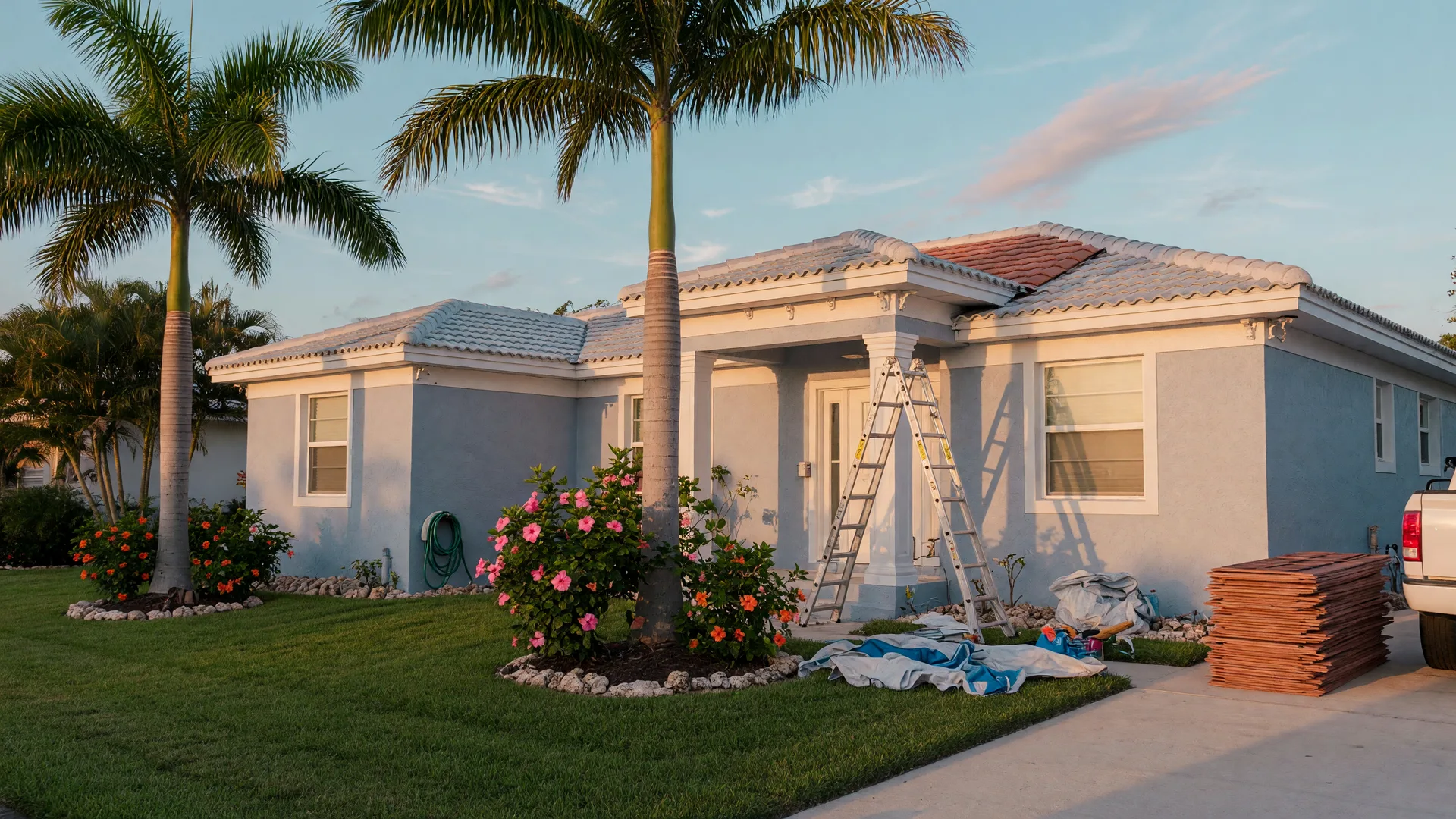
A Florida roof needs a different kind of care than roofs in most of the country, because it faces sun, heat, rain, wind, and salt air year round. This checklist covers the seasonal inspections, the wind mitigation report that can lower your insurance, the state rules on roof age, and the signs that tell you it is time to call a licensed contractor.
I'm Rhonda Townsend with 1st Real Estate Solution Inc., and I help buyers and sellers throughout Palm Beach County understand the condition of their homes, including the roof. Whether you own, are buying, or are preparing to sell, this guide gives you a clear maintenance plan and the facts that protect you.
Why Your Roof Deserves a Maintenance Plan
Your roof is the first line of defense against Florida's weather, and it is one of the most expensive components of your home to replace. It is also one of the most common items to show up in a home inspection, on an insurance questionnaire, and in an appraisal. A roof that is well maintained and documented is worth more, costs less to insure, and sells more easily.
The good news is that a maintenance plan does not have to be complicated. A few minutes of observation a few times a year, plus one professional inspection annually, catches most problems while they are still small. The sections below give you the full routine.
Florida homes use a range of roof coverings, from clay and concrete barrel tile to asphalt shingles and metal. Each has its own lifespan and maintenance quirks, so knowing what is on your home helps you set realistic expectations. A well-installed tile or metal roof can last decades with light care, while shingle roofs are typically replaced more often, and knowing which you have shapes your budget and your inspection checklist.
A Seasonal Roof Inspection Checklist
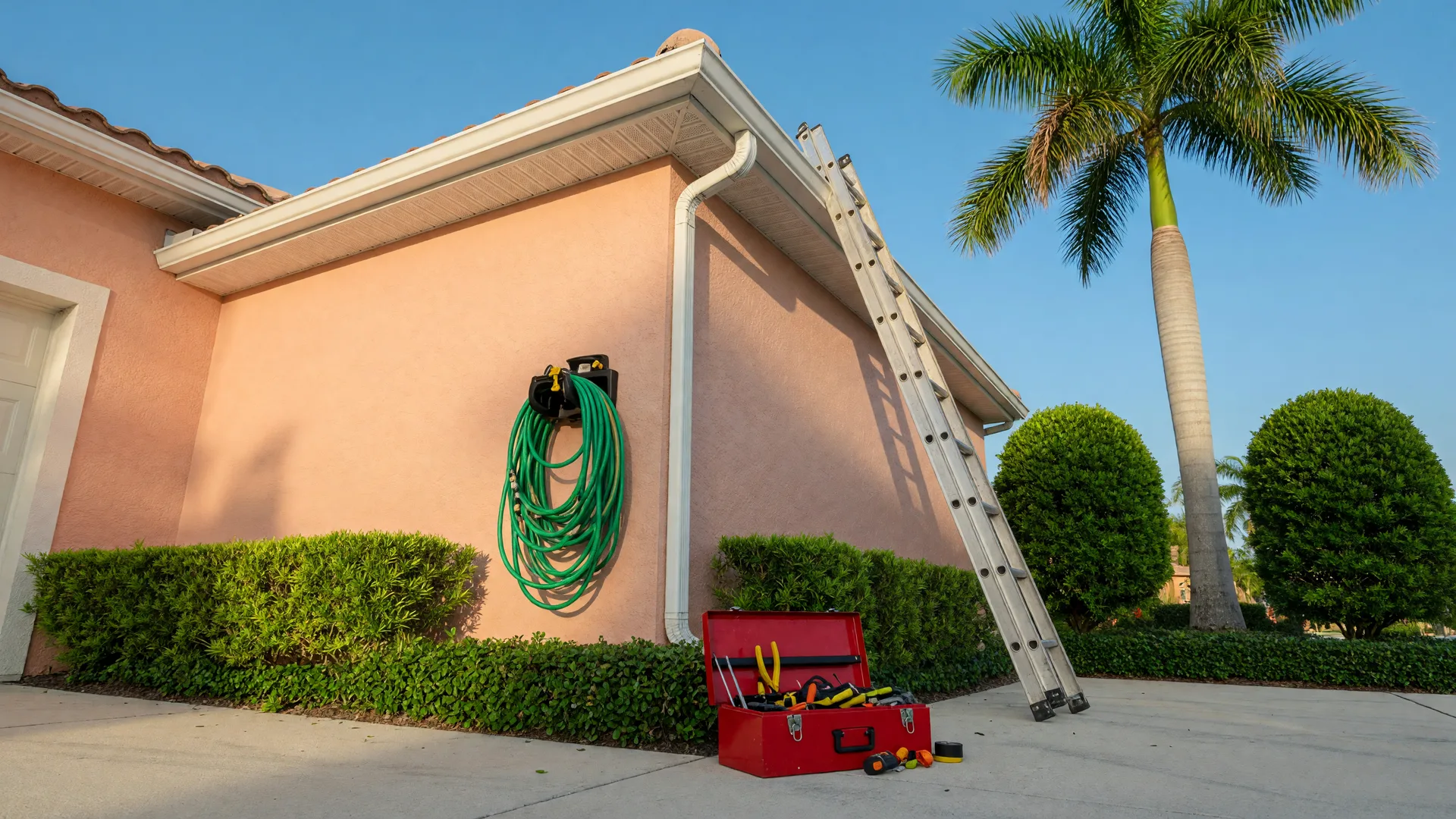
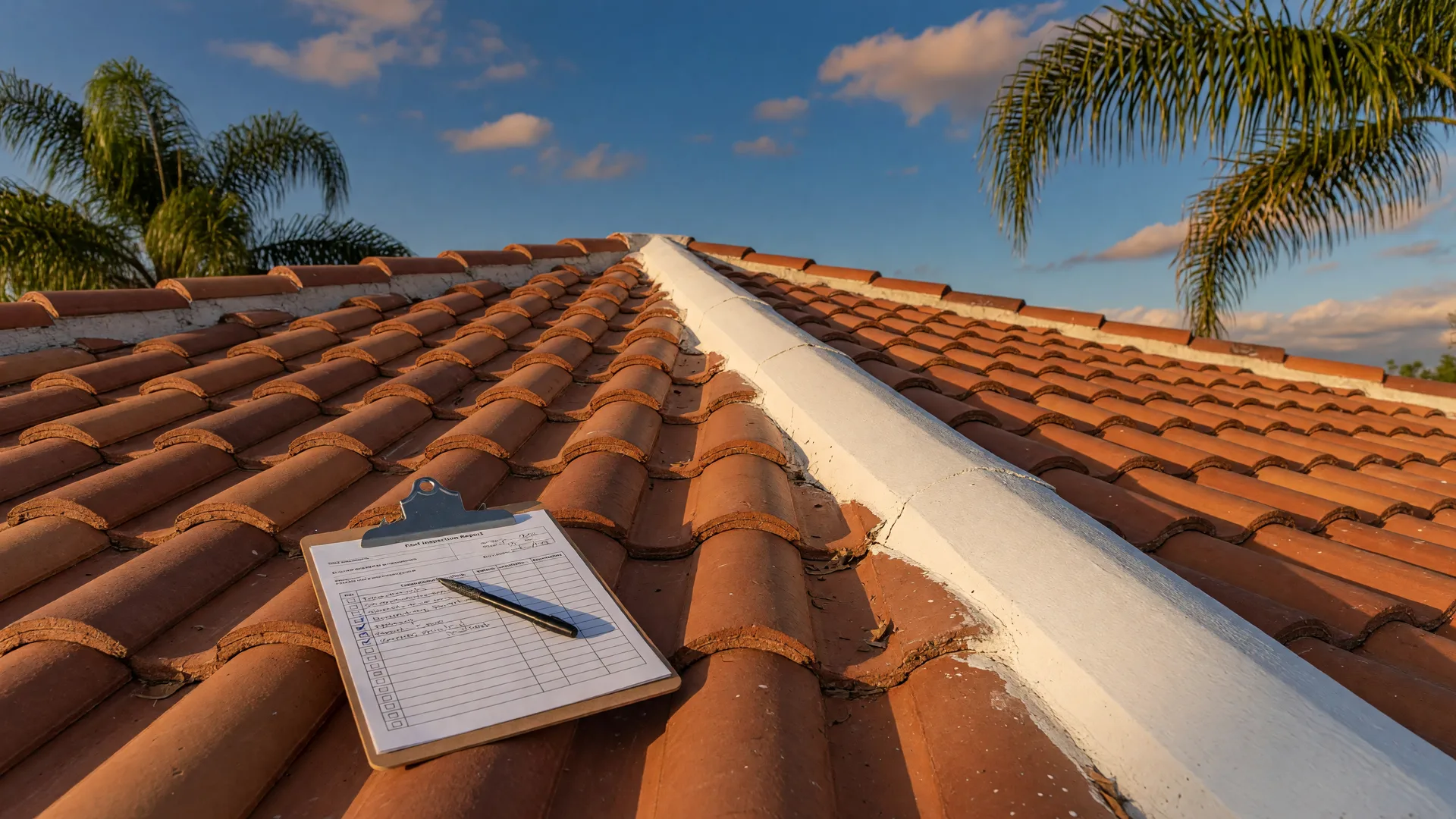
Do a simple visual check from the ground every couple of months, and schedule a professional inspection about once a year, ideally before hurricane season begins in June and again after any named storm passes nearby. Here is what to look for:
- Cracked, loose, or missing tiles and shingles: a single displaced tile can let water in, and wind can pull up others once one is loose.
- Debris buildup: leaves and branches hold moisture against the roof and can work their way under edges over time.
- Flashing and vents: the metal flashing around chimneys, skylights, and roof penetrations is a common leak point, so check for rust, gaps, or lifted edges.
- Gutters and downspouts: clogged gutters back water up under the roof edge and along the fascia.
- Interior signs: stains on ceilings or walls, musty smells, or peeling paint can mean a slow leak that has not reached the roof surface yet.
- After a storm: walk the perimeter and look for displaced material, downed branches on the roof, and anything that looks shifted.
Keep a simple log of each check and any photos you take. That documentation is genuinely useful when you file an insurance claim, get a quote, or sell the home. For the rest of your yearly home tasks, the month-by-month maintenance checklist fills in the picture around your roof routine.
Wind Mitigation Inspections and Insurance Discounts
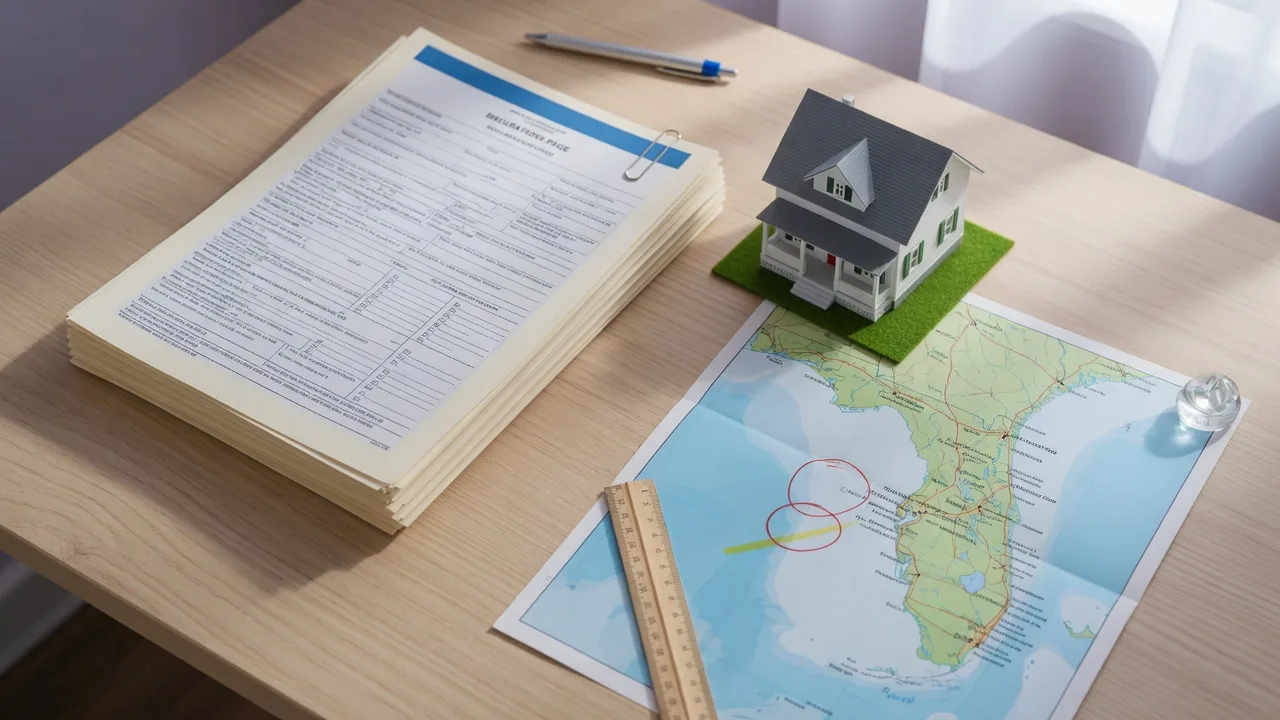
A wind mitigation inspection is a focused assessment of how well your home resists hurricane wind. The inspector checks the roof covering type, how the roof deck is attached, the roof-to-wall connections, the roof shape, whether there is a secondary water barrier under the roof covering, and whether the openings have impact-resistant windows and doors. The findings go onto Florida's official uniform form, OIR-B1-1802.
Under Florida law, insurers are required to offer discounts, credits, or rate differentials for verified wind-resistant features. The catch is that the discount only applies when you submit the completed report. A typical inspection costs about $75 to $150, and the report is generally accepted for up to five years, which means the savings can outweigh the cost in the first year alone.
If your home has features like a sealed roof deck, hurricane straps, or impact-resistant windows, a wind mitigation report is the way to make sure you are getting credit for them. Many insurers also ask for a wind mitigation report when you first get a quote, so having one ready makes shopping for coverage easier. My guide to homeowners insurance in Palm Beach County explains how these pieces fit into the bigger picture of coverage.
What Florida Law Says About Roof Age and Insurance
Roof age is a common source of insurance anxiety, so it helps to know the actual rules. Under Florida law, an insurer may not refuse to issue or renew a policy, or refuse to renew it, solely because of roof age while the roof is under 15 years old.
Once a roof is 15 years or older, the insurer must, before requiring a roof replacement as a condition of coverage, allow you to get an inspection at your own expense from an authorized inspector. That inspector can be a licensed home inspector, a certified building code inspector, a licensed contractor, or a licensed professional engineer. If the inspection finds five or more years of useful life remaining, the insurer may not refuse coverage based on roof age alone.
There is also a separate building-code rule commonly called the 25 percent rule. If more than 25 percent of a roof section is repaired or replaced within a 12-month period, the entire section generally must be brought up to current code. Florida law carved out an exception for newer homes built under the 2007 or later building code, but the general rule is still a reason to track repairs and keep your roof maintained.
The practical takeaway: an older roof is not an automatic replacement order. Documentation, an inspection, and a written report are your protections, so keep records of your roof's age, any repairs, and any inspections. You can read the statute itself for the full detail, but your agent and your insurer can also help you understand how it applies to your situation.
When to Call a Licensed Roofing Contractor
Some things are safely a DIY check, and some things require a professional. Call a licensed roofing contractor for any actual repair, for storm damage assessment, and for any inspection that requires getting on the roof. Working on a roof is dangerous, and Florida roofing is regulated for good reason.
- Verify the license: check any contractor through the Florida Department of Business and Professional Regulation before work begins.
- Get a written estimate: compare scope, materials, and warranty in writing, and avoid paying the full amount up front.
- Confirm permits: roofing work in Florida typically requires a permit and inspection from your local jurisdiction; a licensed contractor will handle this.
- Check for storm-chaser warnings: after a storm, be wary of out-of-town crews knocking on doors; local, licensed, and insured contractors are the safe choice.
If you are buying a home, the roof will come up during the inspection, and my inspection and appraisal guide for sellers shows how roof condition affects that process from the other side of the table.
Roof care and hurricane season go hand in hand. Before June 1 each year, trim any branches that could scrape or drop onto the roof, make sure loose items around the yard are secured, and confirm your roof covering is sound. These are small tasks that reduce the chance of damage when a storm passes, and they pair well with the hurricane season homeowner checklist.
How Roof Condition Affects Selling Your Home
When you list your home, buyers, inspectors, and appraisers will all look at the roof. A roof with clear remaining life, documented repairs, and a recent inspection removes a whole category of buyer anxiety and negotiation leverage. A roof that looks tired or shows signs of deferred maintenance invites requests for credits, repairs, or even a full replacement allowance.
If your roof is older, the smartest move is to get ahead of it before you list. A wind mitigation report can be a selling point, showing a buyer the home is built to resist wind. Repairs made with permits and invoices give you documentation to hand over. In communities across the county, from Wellington to Lake Clarke Shores, roof condition is one of the first things that separates a smooth sale from a long one. If you are preparing to sell, my home preparation guide and my selling guide cover the full list of what to address first.
A maintained roof protects your family, your insurance premium, and the value of your largest asset. If you have questions about your roof and your next move, buying or selling, I would be glad to help you put a plan together. Reach out any time.
Thinking About Selling Your Home?
Roof condition is one of the first things buyers, inspectors, and appraisers look at. If you are considering selling, I can help you understand what your roof means for your home's value and what is worth addressing before you list. No pressure, just a clear plan.
Rhonda Townsend, REALTOR® · A.I. Certified Agent™ · 1st Real Estate Solution Inc.
(561) 236-9772 ·
rtownsendrealestate@gmail.com
Frequently Asked Questions
Sources
Sources referenced in this article:
- • Florida Office of Insurance Regulation — Official uniform mitigation verification inspection form OIR-B1-1802
- • The 2026 Florida Statutes, Section 627.7011 — Roof age and renewal of homeowner policies
- • Florida Department of Business and Professional Regulation — Verify a roofing contractor license in Florida
- • Federal Emergency Management Agency — FEMA home hurricane protection and roof guidance
Disclaimer: This article is provided for general educational and real estate information only. It is not legal, tax, financial, insurance, environmental, engineering, or property-inspection advice. Real estate requirements, costs, risks, policies, and market conditions vary by property and may change. Consult qualified professionals regarding your individual circumstances.