Key Takeaways
- Wellington is one of the most recognized equestrian communities in the country, anchored by the Village-maintained Equestrian Preserve, a roughly 9,000-acre equestrian district with more than 57 miles of bridle trails.
- Wellington International hosts the Winter Equestrian Festival, bringing the largest winter competition season of the year to the community and drawing riders from around the world.
- Horse properties here vary widely in size and setup, so buyers should verify lot size, barn and arena permits, water and septic, fencing, and trail access before making an offer.
- The equestrian scene is active year-round, with trails, riding lessons, and community events even outside the main competition season.
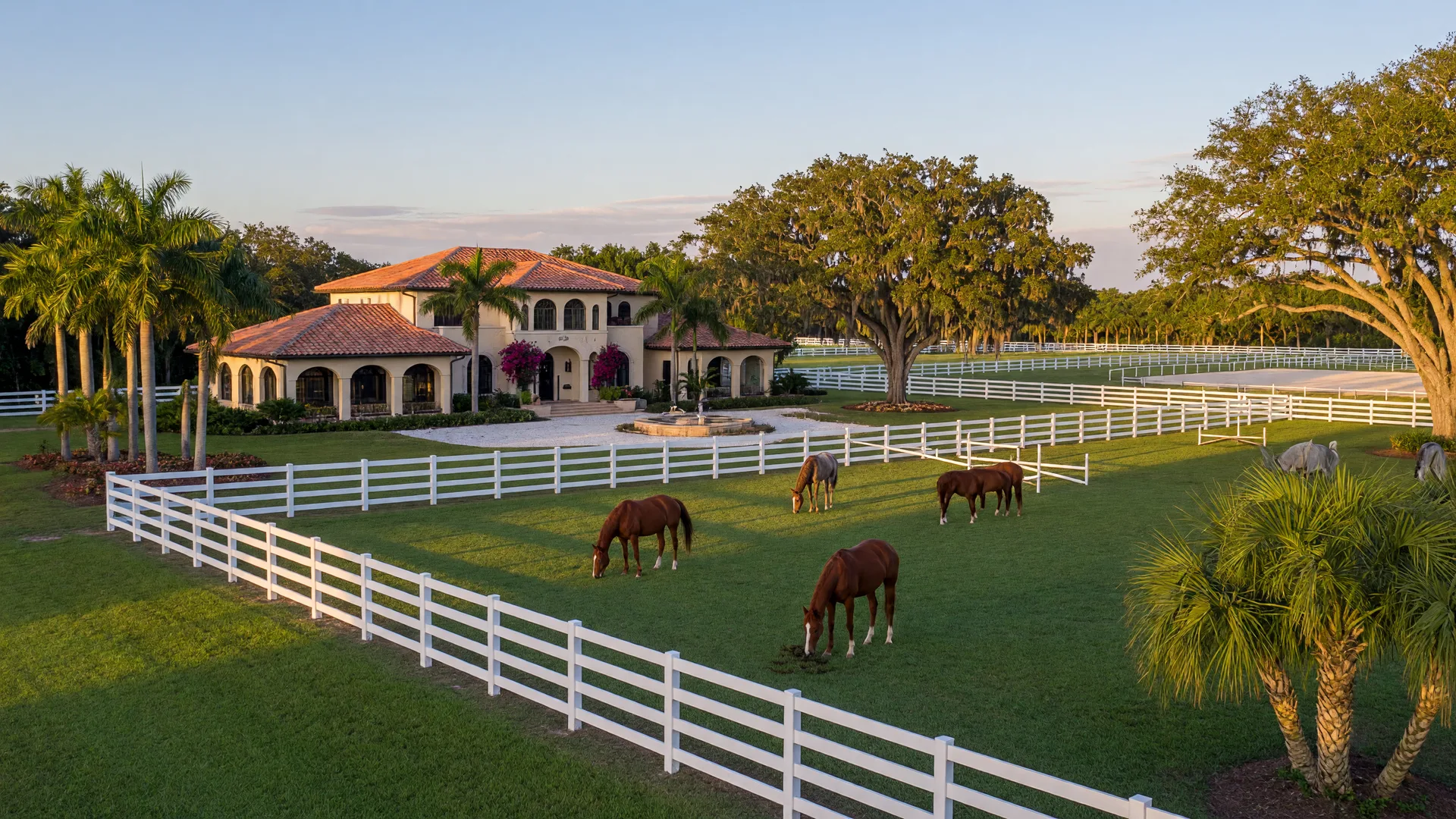
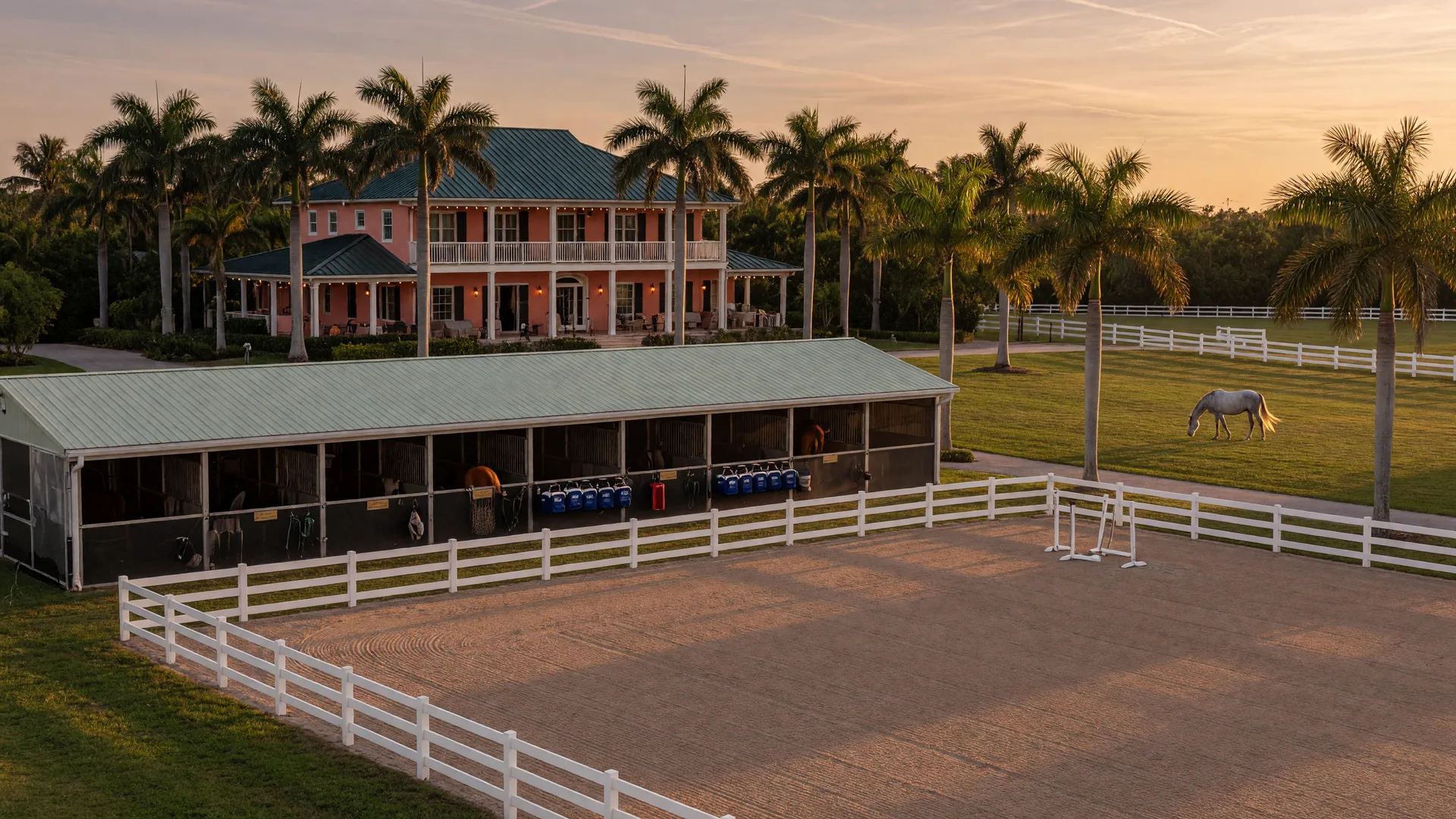
The Wellington equestrian lifestyle is built around one of the most extensive horse communities in the country: a Village of Wellington-maintained Equestrian Preserve covering roughly 9,000 acres, with more than 57 miles of bridle trails, plus a winter competition season anchored by Wellington International. For horse owners, that translates into riding trails at your back door, barns and arenas as ordinary household features, and a year-round culture that understands horses. This guide covers what the lifestyle really looks like and what buyers should verify before they commit.
I'm Rhonda Townsend with 1st Real Estate Solution Inc., and Wellington is one of the communities I know best. Whether you are moving horses from another state or simply want a property where riding is possible before breakfast, the details of lot, barn, and trail access decide how well the lifestyle works for you. For the wider community picture, my living in Wellington guide covers neighborhoods and everyday life, and the Wellington community page brings the local resources together.
Why Is Wellington Known for Its Equestrian Lifestyle?
Wellington earned its reputation through deliberate planning. The western part of the village was laid out around an equestrian preserve, with zoning that keeps agriculture, boarding, and riding compatible with residential life. That planning is visible everywhere: white-board paddocks behind estate walls, horses crossing quiet lanes, and bridle trails threading through the community.
The presence of Wellington International, the venue that hosts the Winter Equestrian Festival, draws riders and trainers from around the world each winter. That showgrounds economy supports barns, veterinarians, farriers, tack shops, and lesson programs, which means the horse infrastructure here is deep. If you keep horses, you are not importing a support network; you are joining one that already exists.
What Is the Wellington Equestrian Preserve?
The Equestrian Preserve is a large equestrian district in western and southern Wellington, maintained by the Village of Wellington specifically to keep horse properties viable. It covers roughly 9,000 acres and includes more than 57 miles of bridle trails that residents use for hacking, conditioning, and enjoying the open landscape. The Village maintains the trails and publishes riding rules, which keeps the experience predictable for everyone.
Living inside or adjacent to the preserve is the closest thing to the full equestrian lifestyle. Properties back onto trail corridors, neighborhood roads are horse-friendly in practice, and daily riding becomes part of the routine rather than a special trip. The Village's website is the official source for trail maps, riding rules, and preserve news, and it is worth reading before you narrow your search.
What Should Horse Owners Know About Wellington Properties?
Horse properties in Wellington range from compact farm parcels to large estate properties with show-size arenas and fully permitted barns. There is no single right setup, so buy for the way you actually ride: number of horses, turnout needs, boarders or no boarders, indoor or outdoor work.
Before you make an offer, verify the practical systems with your agent and your own research.
- Lot size and usable land: Acreage on paper and usable pasture are different numbers. Check setbacks, wetlands, and how much ground is actually fenced and workable.
- Barns and structures: Confirm whether existing barns, sheds, and arenas have the right permits and are structurally sound.
- Water and septic: Wells and septic systems are common on acreage properties, so plan for water quality testing, septic inspections, and irrigation capacity.
- Arena and footing: If you compete or school seriously, an existing arena's size, surface, drainage, and lighting matter far more than they look on a listing.
- Fencing: Board fencing is common here, and its condition is a real maintenance line item you will inherit.
- Trail access: Confirm how a property connects to the bridle trail network, through its own entrance or an approved neighborhood route.
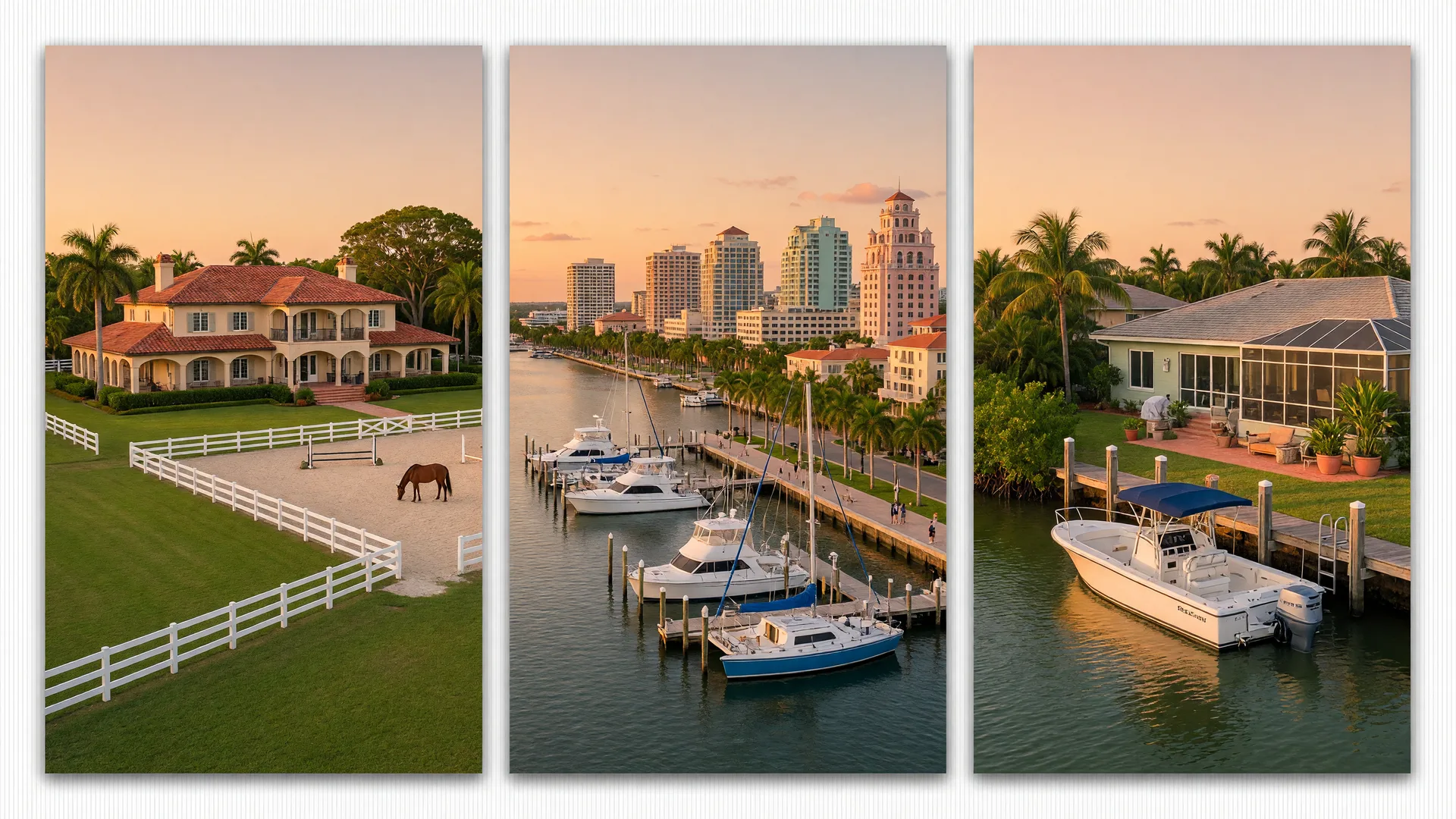
Neighboring communities extend the options. Royal Palm Beach and the Acreage area to the west offer additional acreage parcels and equestrian character, and my Royal Palm Beach guide covers some of those alternatives.
What Does the Winter Show Season Look Like?
From roughly January through the spring, Wellington becomes one of the busiest competition venues in the sport. Wellington International hosts the Winter Equestrian Festival, a multi-week circuit that brings top riders, international teams, and spectators to the community. If you live here, the season shows up as show traffic in the mornings, visiting horses at local barns, and a calendar full of events, some of which are open to the public.
The season also affects the property market. Winter is typically the most active time for Wellington real estate, because buyers are seeing the community at its busiest and most polished. If you are shopping during the season, expect more going on, more showings to coordinate, and a stronger sense of the equestrian rhythm you are buying into. The official Wellington International website posts the full competition schedule.
For buyers who prefer a quieter look at the community, the late spring and summer months offer a different lens: fewer visitors, slower show traffic, and a chance to see how daily life works when the circuit has moved on. Both perspectives are useful, and many buyers tour at least twice, once during the season and once outside it, before they commit to an offer. Your agent can also check show dates when scheduling inspections, so the barn and arena areas are available for a thorough walkthrough.
Is Wellington Horse Country Year-Round?
Yes. The winter circuit gets the attention, but Wellington's horse community runs all year. Local barns teach lessons through the summer, residents ride the preserve trails in every season, and many properties are lived on and ridden daily rather than occupied only during the season. The mild winter months are the marquee riding weather, which is partly why the show circuit schedules itself here.
For a newcomer, that year-round rhythm is one of the great practical benefits: your horse's care, your lesson schedule, and your trail access do not disappear when the shows end. The lifestyle is genuinely daily, and the local support network for horses stays in place through the calendar.
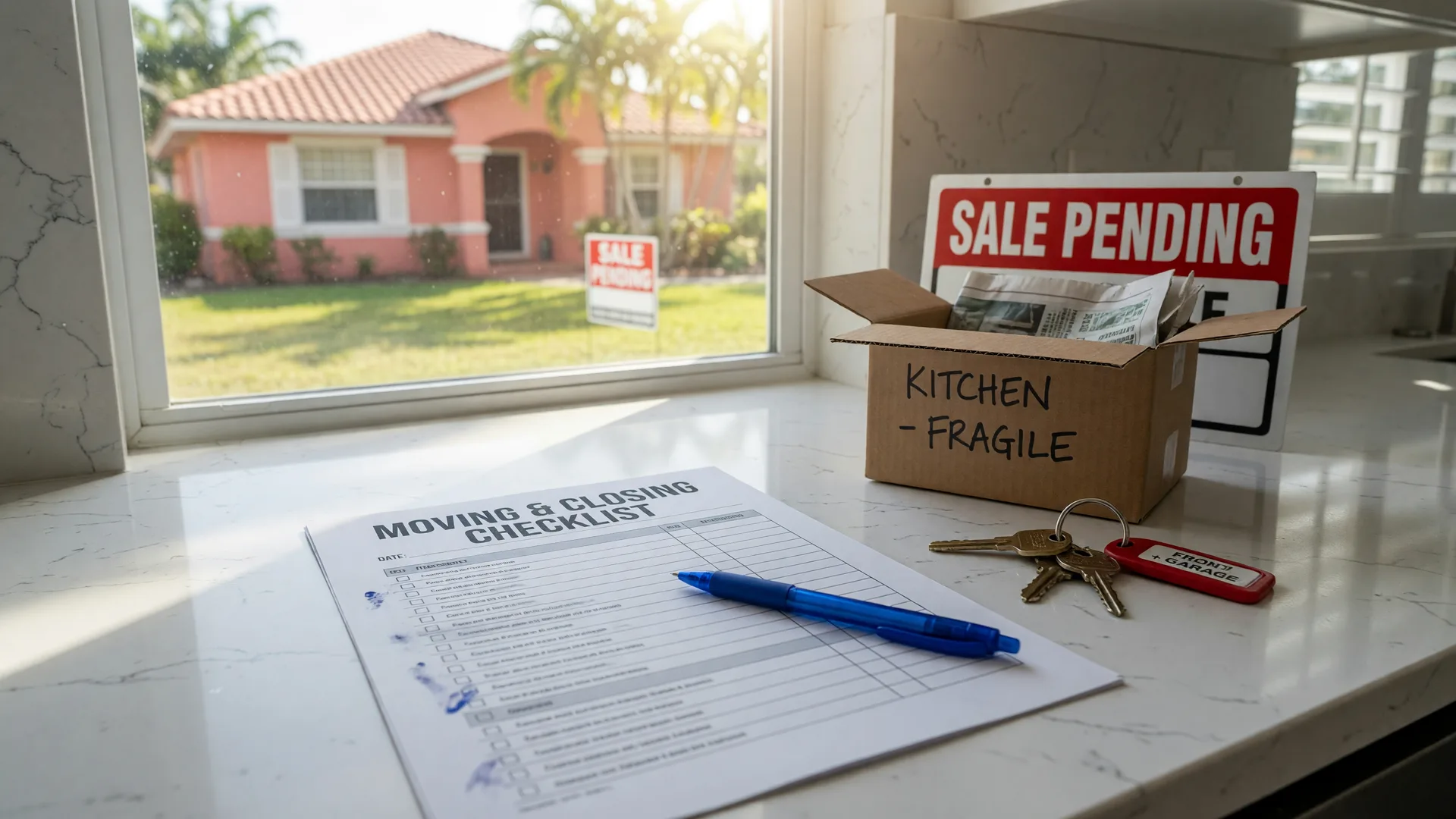
If you are moving horses to Wellington, plan the equine side of the move separately from the household move. Gather current health records and vaccination certificates, arrange a transporter experienced with long-distance horse travel, and confirm the timeline with your new boarding or turn-out arrangements before closing on the property. A week of overlap between the old and new arrangements gives everyone, including the horses, a calmer transition, and it is far easier to arrange in advance than at the last minute.
What About Schools and Everyday Logistics?
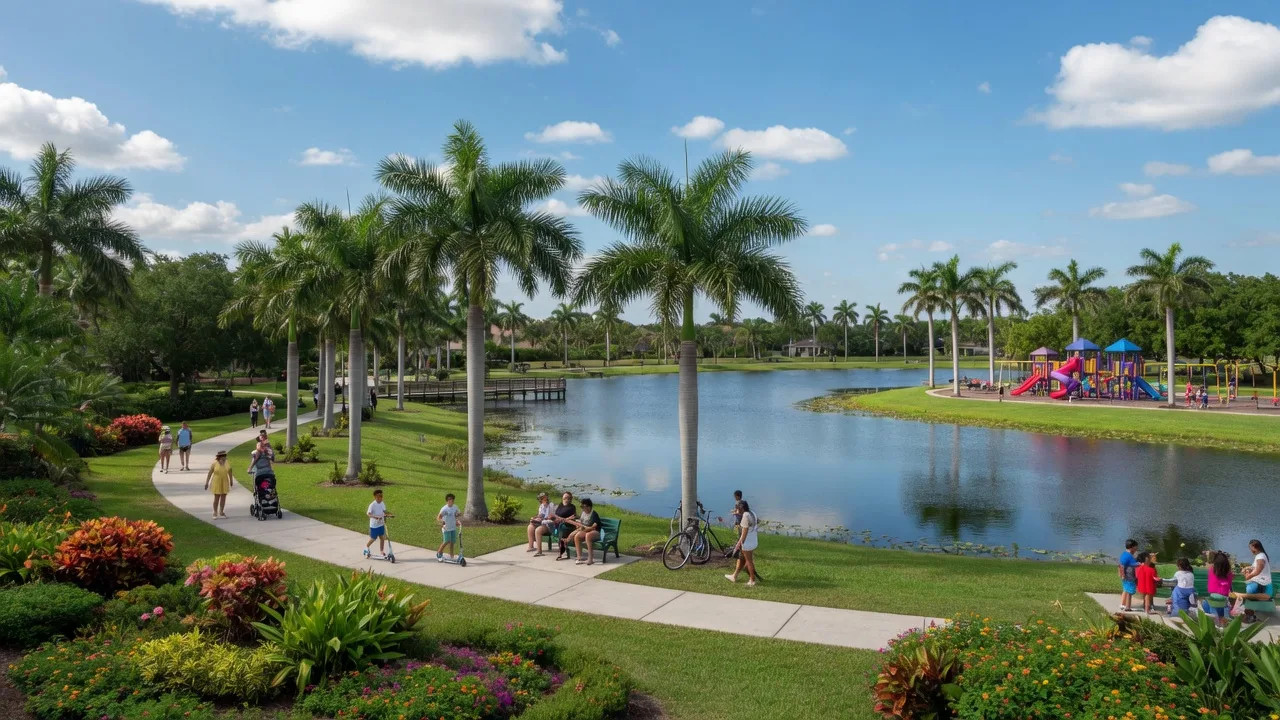
Wellington is a full-service community beyond the barn door. You will find grocery and retail centers, dining, medical offices, and the amenities of the wider Palm Beach County area within a short drive. For anyone working on the east side of the county, the commute to West Palm Beach passes through well-maintained arterial roads, and Palm Beach International Airport is roughly thirty minutes away depending on traffic.
For school information, the best move is to check the official School District of Palm Beach County website directly. Boundaries, programs, and enrollment options change, so verify the assignment for the specific property address you are considering rather than relying on general neighborhood reputation. If relocating here from another state, my relocation guide walks through the broader logistics of the move.
What Should Buyers of Horse Properties Ask?
When you tour a prospective horse property, go beyond the home itself and bring these questions to the property and your agent.
- How many horses can this property legally and practically support? Zoning, stalls, and turnout all factor in.
- Are the barn, arena, and any additions permitted? Unpermitted structures are common in older acreage and complicate insurance and resale.
- Where is the nearest trail access, and how do you get there safely on horseback?
- What is the condition of the well and septic, and when were they last serviced?
- Does the neighborhood have an HOA, and what does it regulate? Some equestrian subdivisions have rules about fencing, barns, and livestock that you should read before buying.
- How does the property drain, and does anyone need flood insurance? Acreage parcels can still sit in flood zones, so check the FEMA flood map for the specific lot.
If you are exploring Wellington or the surrounding horse country, I can help you compare current listings, check the local details, and think through what the equestrian lifestyle will actually cost and feel like on a daily basis. For more on how Wellington compares with the county's other major communities, see my community comparison, then reach out whenever you are ready to look at properties.
Buyers who want an even stronger rural feel and more room for horses often look west to Loxahatchee and The Acreage. My guide to living in Loxahatchee and The Acreage walks through lot sizes, agricultural zoning, and the well and septic considerations that come with acreage living.
Dreaming of a Wellington Horse Property?
Finding the right equestrian property takes local knowledge, from lot size and barn permits to trail access and water supply. Tell me what you are looking for, and I can help you compare current options across Wellington with no pressure.
Rhonda Townsend, REALTOR® · A.I. Certified Agent™ · 1st Real Estate Solution Inc.
(561) 236-9772 ·
rtownsendrealestate@gmail.com
Frequently Asked Questions
Sources
Sources referenced in this article:
- • Village of Wellington — Official Municipal Website and Equestrian Preserve Information
- • Wellington International — Winter Equestrian Festival Venue
- • School District of Palm Beach County — Official School Boundaries and Enrollment Information
- • Discover The Palm Beaches — Official Visitor and Community Information
Disclaimer: This article is provided for general educational and real estate information only. It is not legal, tax, financial, insurance, environmental, engineering, or property-inspection advice. Real estate requirements, costs, risks, policies, and market conditions vary by property and may change. Consult qualified professionals regarding your individual circumstances.