Key Takeaways
- In most private club communities, buying the home and joining the club are two separate transactions governed by separate documents, and membership may be required, optional, or bundled with the home.
- Clubs generally fall into equity clubs, where you buy a share of the club and may recapture part of it when you sell, and non-equity clubs, where the initiation fee is paid to the club and is not refundable.
- The full cost of club living stacks: initiation or equity, annual dues, food and beverage minimums, trail fees, and separate HOA or CDD assessments for the home and common areas.
- Whether membership transfers to a new buyer depends on the club and the membership tier, so confirm the rules with the membership office before you make an offer.
- Palm Beach Gardens and northern Palm Beach County hold a high concentration of these communities, from PGA National and BallenIsles to Mirasol, Frenchman’s Creek, and Jupiter Country Club.
Country club communities in Palm Beach County are gated residential neighborhoods built around a golf club, and the key thing to understand is that buying the home and joining the club are usually two separate transactions governed by separate documents. Membership can be required or optional, equity or non-equity, transferable or not, so the club membership agreement deserves as much attention as the home inspection.
I'm Rhonda Townsend with 1st Real Estate Solution Inc., and I guide buyers through Wellington, West Palm Beach, Lake Clarke Shores, Palm Beach Gardens, Jupiter, and communities across the county. Club communities come up often in my market, because so many buyers here want resort-level amenities and low-maintenance living. This guide explains how these communities work, what the costs actually are, and which documents matter before you sign.
What Is It Like to Live in a Country Club Community in Palm Beach County?
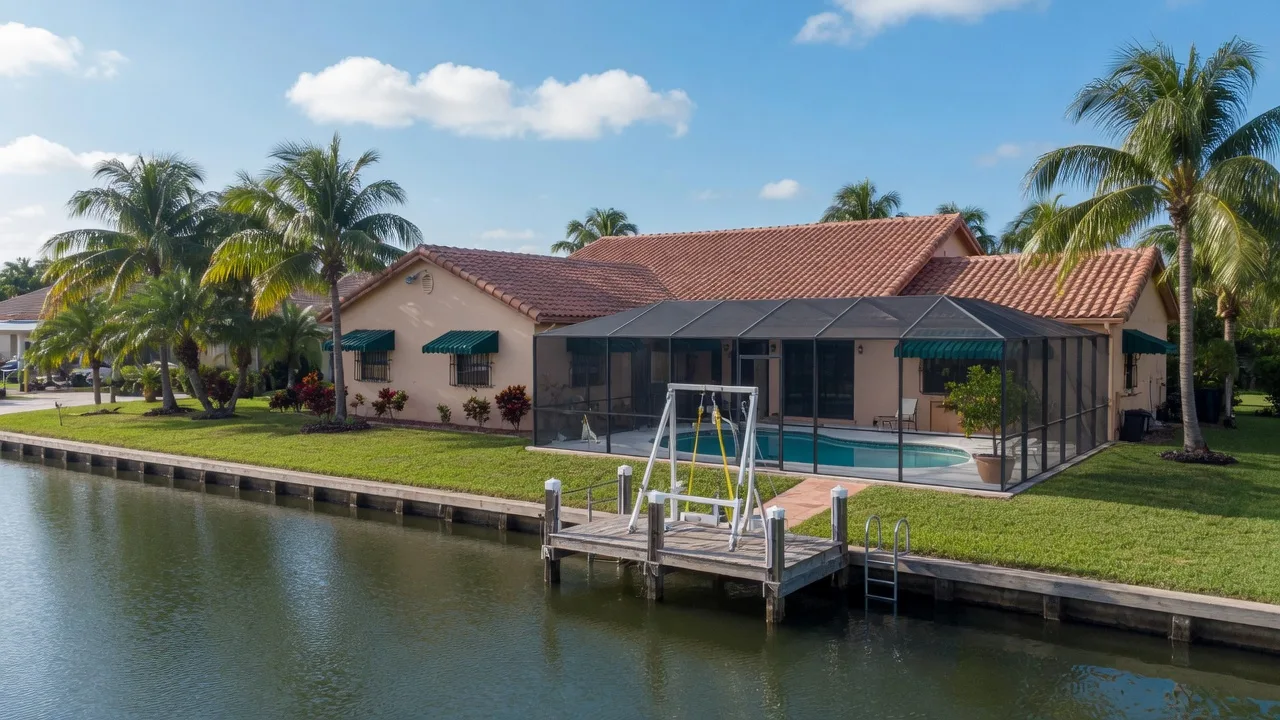
A country club community pairs a residential neighborhood with a private golf club and its amenities: the course, a clubhouse, and often tennis, fitness, pools, and dining. Many are gated, with landscaped common areas and staffed security, and the daily rhythm centers on the club calendar, from golf leagues to dinners to holiday events.
Two practical points stand out for buyers. First, the community is typically managed by a homeowners association that governs the neighborhood, while the club is a separate entity that governs the golf and amenities. Second, the economics are layered: your monthly cost combines HOA dues, possibly a community development district (CDD) assessment, and club membership fees. Understanding each layer before you make an offer keeps the monthly picture honest.
How Do Golf Club Communities Work When You Buy a Home?
Different communities structure the home and the membership differently, and the distinction drives everything else:
- Mandatory membership: Joining the club is a condition of owning the home in the community. You buy the house, and you also buy or hold the required membership.
- Optional membership: You can buy a home in the community without joining the club, though many residents join anyway for the amenities.
- Bundled access: In some golf-course communities, golf access comes with certain home types or lots, with the cost built into the purchase or the HOA structure.
The exact model for a community is spelled out in the declaration, the club membership agreement, and sometimes a separate golf agreement. Ask for all three, and have your attorney review them, because the difference between mandatory and optional membership changes the true cost of the home.
Which Country Club Communities in Palm Beach County Should You Consider?
The highest concentration of private club communities runs through Palm Beach Gardens, Jupiter, and North Palm Beach, with additional options down the coast and west toward Wellington. A few of the best known:
- PGA National: A large resort and residential community in Palm Beach Gardens built around five championship courses and the famed Champion course. Club membership is private and separate from homeownership, and the community draws a mix of full-time and seasonal residents.
- BallenIsles Country Club: A member-owned equity club in Palm Beach Gardens with three courses and roughly 1,500 homes, with a long history as one of the county's premiere club communities.
- The Country Club at Mirasol: An equity club in Palm Beach Gardens with two golf courses, where equity membership has traditionally been required with most home purchases.
- Frenchman's Creek Beach & Country Club: A club community in Palm Beach Gardens that combines golf with beach and marina amenities. Visit the Frenchman's Creek website for details on the club and the community.
- Jupiter Country Club: A golf community in Jupiter with membership options that vary by neighborhood within the development. See the Jupiter Country Club page for current club information.
- Eastpointe Country Club: A well-established club community in Palm Beach Gardens with golf and a full roster of amenities. The Eastpointe website has details for prospective residents.
Farther north, communities like Admirals Cove, Jonathan's Landing, Loxahatchee Club, Old Palm, and Frenchman's Reserve each have their own character and membership structures. My Palm Beach Gardens community page and the Jupiter community page describe the neighborhoods around these clubs, and Discover The Palm Beaches is a useful official resource for the county's broader lifestyle picture.
What Does Club Membership Actually Cost?
Fees vary so widely by club and membership tier that published averages can mislead. What is consistent is the structure:
- Initiation or equity: An upfront payment to join. In equity clubs this buys you a share of the club; in non-equity clubs it is the price of entrance, generally non-refundable.
- Annual dues: The recurring fee for club access, paid yearly and often billed monthly.
- Food and beverage minimums and trail fees: Many clubs require a yearly or monthly spend in the dining rooms, and golf communities often add a separate trail fee for golf access.
- HOA and CDD assessments: Billed separately from the club, covering the neighborhood's common areas, gates, landscaping, and infrastructure.
Because combinations differ, the way to get a true number is to request the membership application package and the current fee schedule from each club's membership office, then line them up side by side with the HOA budget. I can help you compare the full monthly picture across the communities you are considering.
What Documents Should You Review Before Buying in a Golf Community?
Treat the club like a second property purchase, because financially it acts like one. Review at minimum:
- The club membership agreement: Required or optional membership, fee schedule, cancellation terms, and any waiting list.
- The community declaration and HOA documents: What the association maintains, what it costs, and any restrictions that apply to your home and lot.
- The HOA budget and reserve study: Whether the association is financially healthy and how assessments have trended.
- Any CDD information: Annual special assessments for infrastructure, which run separately from HOA dues and club fees.
- The resale certificate: What a current owner must disclose, including any unpaid assessments or pending special assessments.
Some of these documents arrive with the seller's disclosure, and some you cannot receive until you have a property under contract. Your real estate attorney can guide you through which ones to request and when, in the same way they would for any association-governed home. For the non-club side of the association picture, my guide to HOA fees and documents covers what these documents mean in plain language.
Does Club Membership Transfer with the Home?
Sometimes yes, sometimes no, and the answer changes the property's resale value. In some equity clubs, a home seller can transfer their membership share to the buyer as part of the sale, subject to the club's approval. In others, the seller must exit the membership and the buyer must apply for a new one, paying a new initiation fee at the current rate.
Ask three questions before you offer: Does membership transfer automatically or with approval? Does the buyer pay a new initiation fee? And is there a waiting list that could delay access? Written answers to these questions, not verbal assurances, protect you at resale time.
Is a Country Club Community Right for Your Next Move?
Club communities suit people who will genuinely use the amenities, because the cost structure rewards active use of the golf, dining, fitness, and social calendar. They are popular with full-time residents and seasonal residents alike, and they work equally well for a primary home or a winter residence, which is why they come up in almost every relocation conversation I have.
If you want to compare club life with other low-maintenance options, my Palm Beach County golf guide covers public and semi-private golf options, and my home buying guide walks through the full purchase process from offer to closing, including the association paperwork that club communities require.
If you would like help comparing country club communities, call me at (561) 236-9772 or email rtownsendrealestate@gmail.com. I can arrange to walk the communities you like, review the club and HOA packages with you, and help you decide which one fits your life and your budget.
Considering a Country Club Community?
The club documents, the HOA budget, and the membership rules deserve the same attention as the home itself. I can help you compare communities and understand what you are actually buying, before you make an offer.
Rhonda Townsend, REALTOR® · A.I. Certified Agent™ · 1st Real Estate Solution Inc.
(561) 236-9772 ·
rtownsendrealestate@gmail.com
Frequently Asked Questions
Sources
Sources referenced in this article:
- • Discover The Palm Beaches — Official Tourism and Community Information
- • Frenchman’s Creek Beach & Country Club — Official Club Website
- • Jupiter Country Club — Official Club Website
- • Eastpointe Country Club — Official Club Website
Disclaimer: This article is provided for general educational and real estate information only. It is not legal, tax, financial, insurance, environmental, engineering, or property-inspection advice. Real estate requirements, costs, risks, policies, and market conditions vary by property and may change. Consult qualified professionals regarding your individual circumstances.